Get your free personalized podcast brief
We scan new podcasts and send you the top 5 insights daily.
Max Blank compares a raw model to an engine and the harness to the whole car: steering wheel, mirrors, tools, memory and data. In Mobi, an inference from Claude can pass to C-Dance 2.5 to improve creative, with governance around it. He says that orchestration is the difference.

Related Insights
Simply offering the latest model is no longer a competitive advantage. True value is created in the system built around the model—the system prompts, tools, and overall scaffolding. This 'harness' is what optimizes a model's performance for specific tasks and delivers a superior user experience.

The focus in AI engineering has shifted from the agent itself to the surrounding system or 'harness.' This includes managing workflows, context, permissions, and tools. Engineering these reliable systems is now seen as more critical for delivering value than simply prompting a more powerful model.

The real intellectual property and performance driver for advanced AI systems like Claude Code isn't the underlying model, but the surrounding orchestration layer. This "agent harness" manages memory, tools, and context, and has become the key competitive differentiator.

A model's value is unlocked by its "harness"—the layer of logic, tools, and integrations connecting it to a task. A coding assistant is a harness built around a base model. Focusing on harness design is more critical than the specific model for creating useful, differentiated AI products.
An AI coding agent's performance is driven more by its "harness"—the system for prompting, tool access, and context management—than the underlying foundation model. This orchestration layer is where products create their unique value and where the most critical engineering work lies.

Performance comes from a "harness" surrounding the AI model, which includes curated data, tools, and rich context. This harness, which can be open and multi-model, is where the hard work lies—prepping the context layer so that a model's plan can execute efficiently.
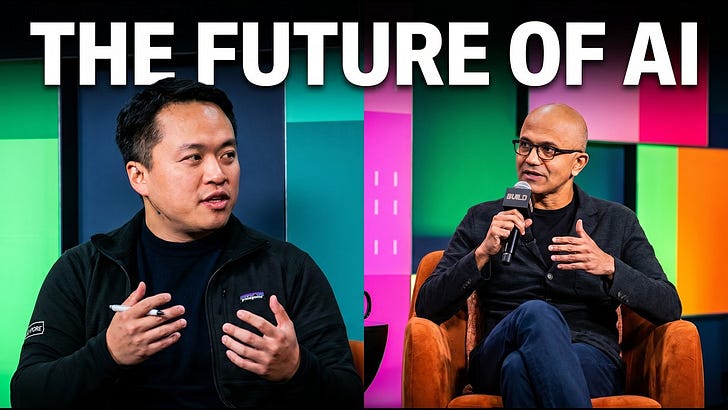
An AI model alone is like a brain without a body. To become a useful agent, it needs a "harness" or "scaffolding" consisting of four key components: domain-specific knowledge, memory of past interactions, tools to take actions, and guardrails for safety.
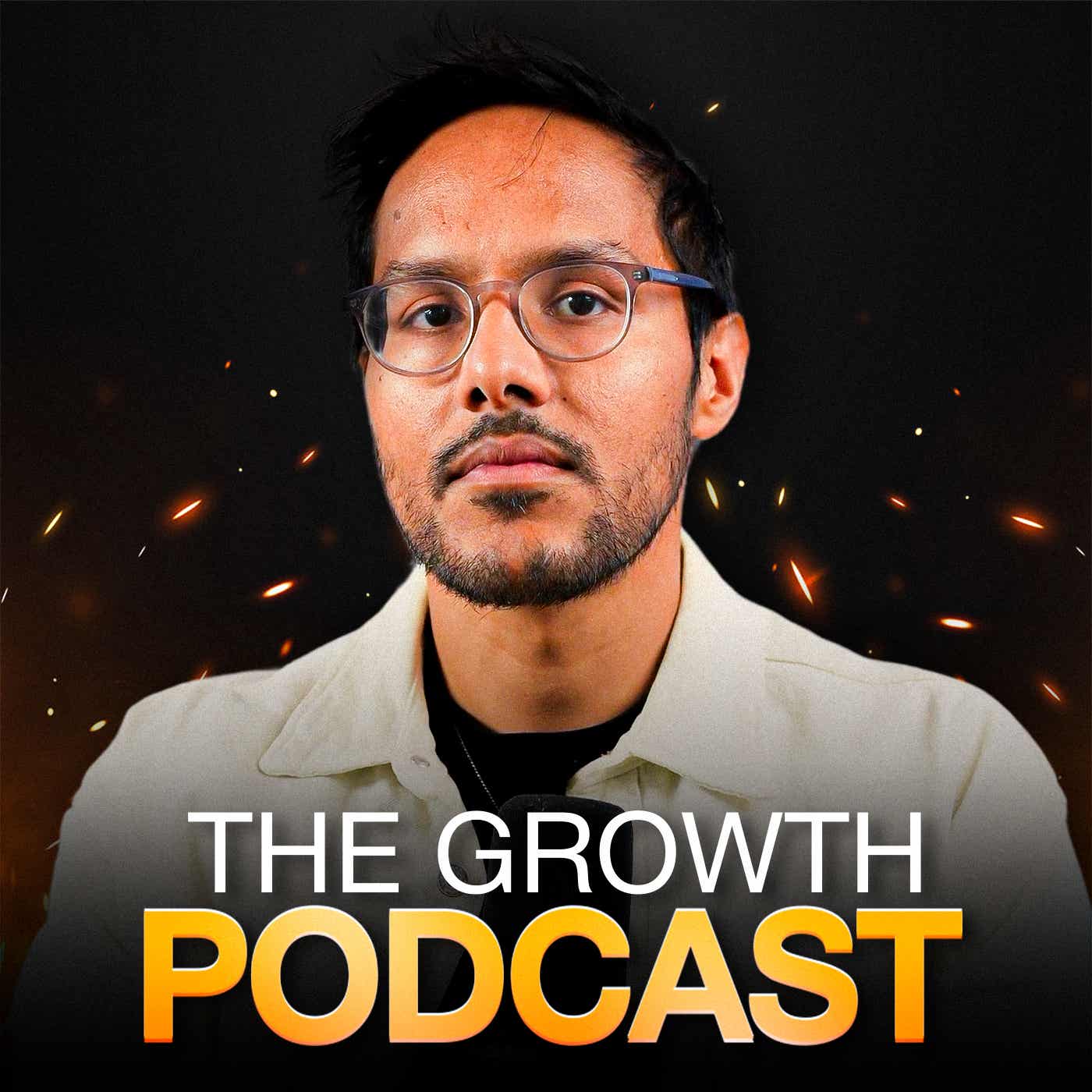
Nadella introduces the 'harness'—the integrated system of data, tools, and context preparation surrounding a model. He posits this harness, which enables multi-model strategies and efficient execution, is where companies create unique value, rather than in the base model alone.

Top-tier language models are becoming commoditized in their excellence. The real differentiator in agent performance is now the 'harness'—the specific context, tools, and skills you provide. A minimalist, well-crafted harness on a good model will outperform a bloated setup on a great one.

New AI model releases are becoming like incremental iPhone updates. The real breakthroughs now happen in the application layer—the "harnesses" like Claude Code. These platforms, with features like dynamic workflows, are what truly unlock new capabilities, shifting market focus from raw model power to user experience and practical tooling.