Get your free personalized podcast brief
We scan new podcasts and send you the top 5 insights daily.
Rather than relying on one powerful model, sophisticated users are creating workflows that delegate tasks to different models based on capability and cost. This makes the 'division of labor'—how models like Fable, Opus, and Sonnet are orchestrated—the key strategic unit for building efficient AI systems.

Related Insights
Relying on a single frontier model is risky and inefficient. The next phase of AI will involve intelligently routing queries to the most appropriate model—be it cheaper, faster, or local. This will redistribute value from a few dominant labs to a long tail of specialized models, maturing the ecosystem.

A single AI model is insufficient for running a complex company. An orchestration layer allows you to assign different models (e.g., a powerful frontier model for the CEO, cheaper models for routine tasks) based on their unique "personalities" and cost-effectiveness.

The path to robust AI applications isn't a single, all-powerful model. It's a system of specialized "sub-agents," each handling a narrow task like context retrieval or debugging. This architecture allows for using smaller, faster, fine-tuned models for each task, improving overall system performance and efficiency.
According to Meta's CTO, the era of one monolithic model doing everything is over. The current frontier involves using a 'harness' that intelligently routes tasks to a collection of different, specialized models based on cost, latency, and capability.

Instead of relying on one powerful model for all tasks, the leading strategy is 'smart routing'—using a panel of models and directing each task to the most appropriate one. This compound architecture demonstrably beats single frontier models on both cost and performance.

Enterprises will shift from relying on a single large language model to using orchestration platforms. These platforms will allow them to 'hot swap' various models—including smaller, specialized ones—for different tasks within a single system, optimizing for performance, cost, and use case without being locked into one provider.

An intelligent AI orchestration layer can achieve a cost-to-accuracy balance superior to any single model. By routing queries to a portfolio of different models (large, small, specialized), it creates a new Pareto frontier, delivering higher success rates at a lower average cost than relying on one "best" model.
To optimize costs, users configure powerful models like Claude Opus as the 'brain' to strategize and delegate execution tasks (e.g. coding) to cheaper, specialized models like ChatGPT's Codec, treating them as muscles.
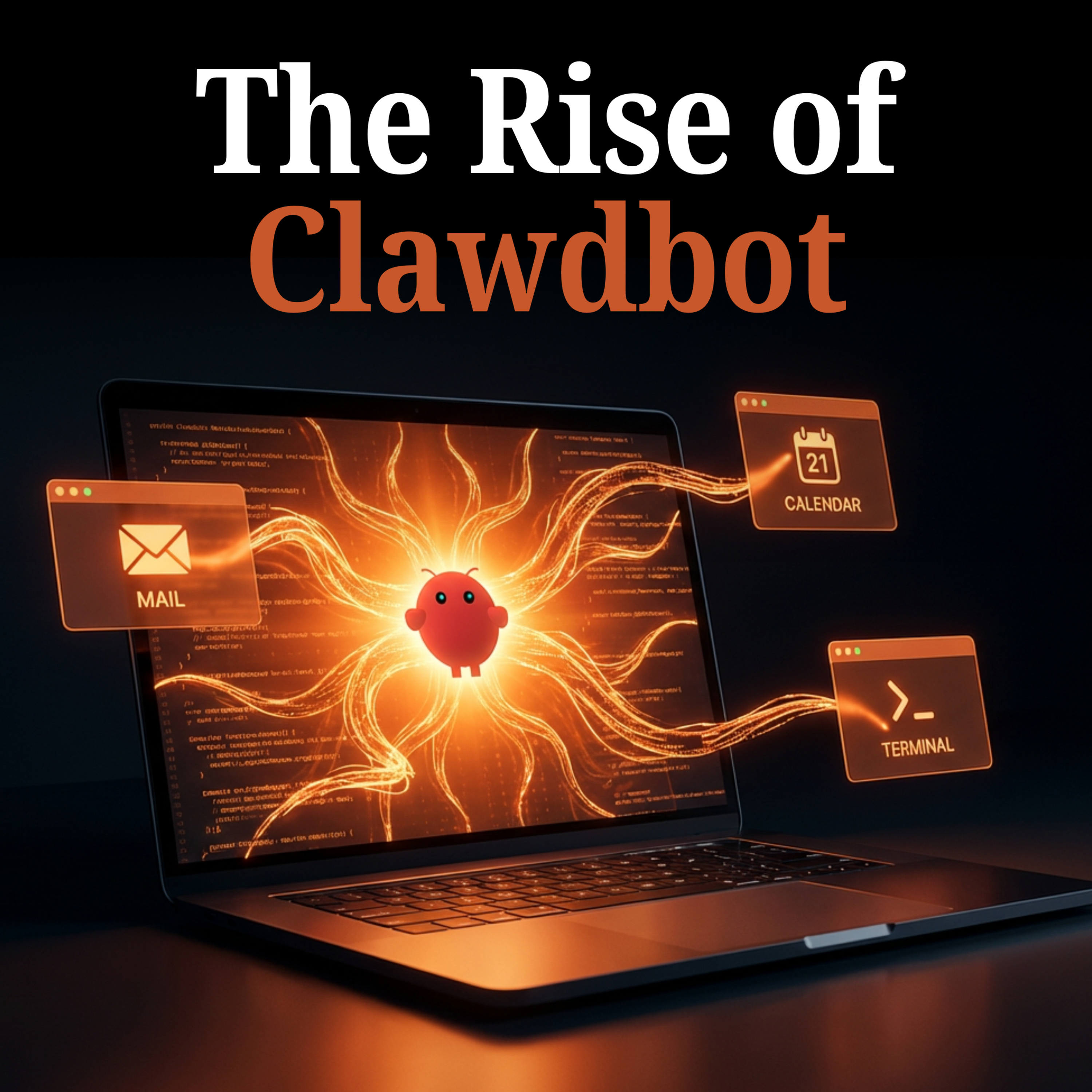
Companies no longer chase the single most powerful AI model. The new standard is creating a sophisticated architecture of multiple models, matching the right tool to the right task based on capability, efficiency, and cost, which allows for greater optimization across the enterprise.
To manage costs, the optimal architecture isn't running everything on the most powerful model. Instead, a smart orchestrator agent should break down complex problems and dispatch simpler sub-tasks to smaller, cheaper models, optimizing for both cost and performance.