Get your free personalized podcast brief
We scan new podcasts and send you the top 5 insights daily.
While one legal threat from a competitor is rare, receiving two or more is a strong signal for a founder to re-evaluate their marketing. The industry norm for early-stage SaaS is zero threats, so a pattern suggests you may have crossed an ethical or legal line.

Related Insights
A new problem emerged for OutboundSync with success: competitors systematically scraping the founder's LinkedIn posts and messaging every commenter. While frustrating, this is a clear market signal that the company has moved beyond obscurity and built a valuable brand with an audience worth targeting.

For founders unable to afford immediate legal counsel, LLMs can offer a preliminary analysis of a competitor's threat. However, these conversations lack attorney-client privilege and can be subpoenaed during legal discovery, potentially being used against you in court.
When a competitor copies your product, don't assume a costly legal battle is the only option. For a relatively small investment ($500-$1000), a strongly worded cease-and-desist letter from a lawyer can be surprisingly effective at scaring off a less-resourced opponent, making it a high-leverage initial action.
When a startup blatantly copies a competitor's website, investors should see it as a major warning sign. This "appearance of impropriety" warrants a deeper investigation into other aspects of the business, such as metrics, contracts, and customer claims, which may also be deceptive.
When Gillette sued Dollar Shave Club, Michael Dubin understood it was more than a patent dispute. He recognized it as a classic incumbent playbook move: use legal battles to drain a startup's resources and make it appear unattractive to potential investors and acquirers. This framing helps founders contextualize and endure such attacks.

Instead of getting angry when competitors mimic your marketing, see it as validation that you're leading the pack. Use it as an opportunity to "bob and weave," constantly innovating so that by the time they catch up to your last move, you're already on to the next one.

While ignoring competitors is naive, constantly reacting to their every move is a crutch for founders who lack a strong, opinionated vision for their own product. Healthy balance involves strategic awareness without sacrificing your own roadmap.
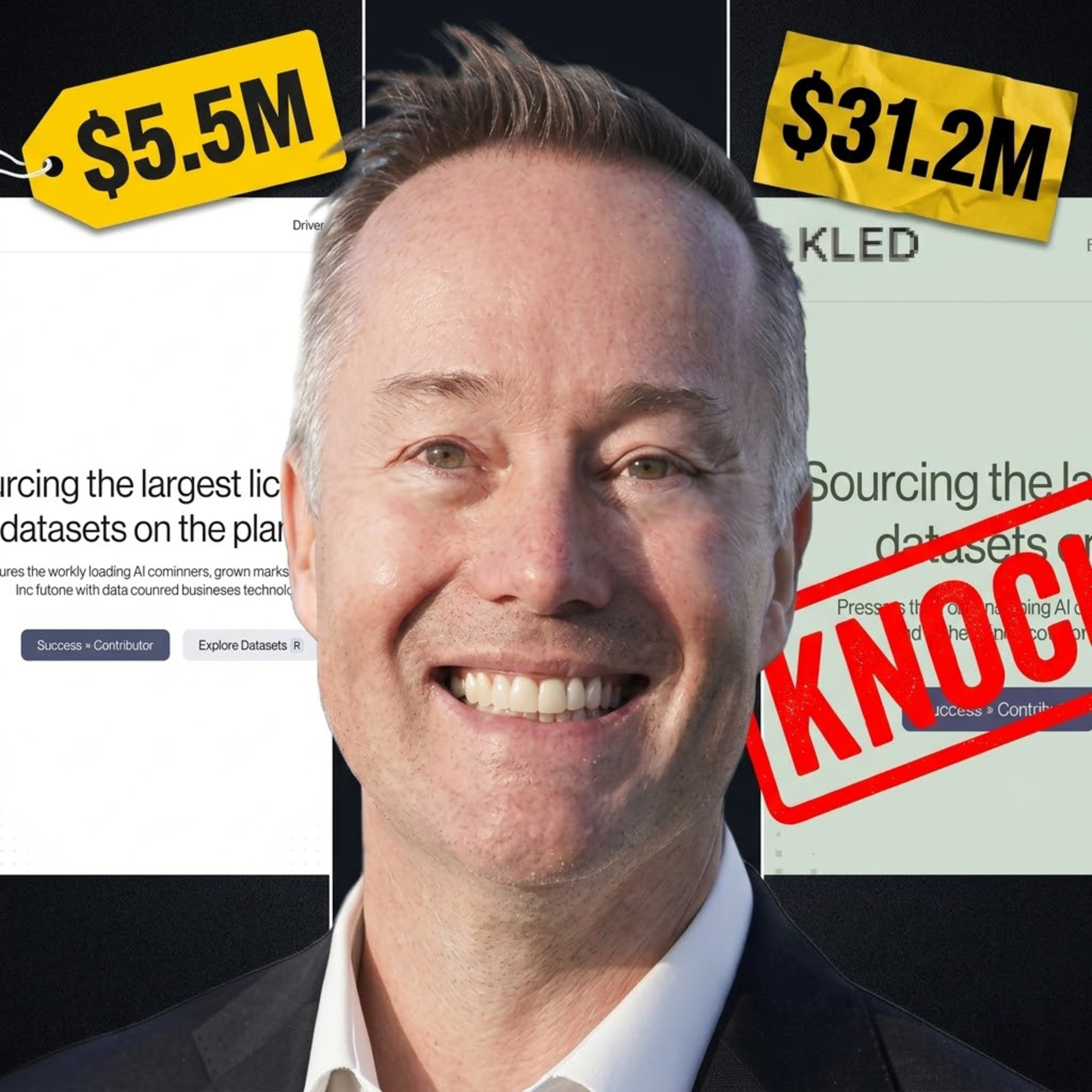
When faced with a blatant copycat and lacking legal resources, a founder's best defense can be a public campaign. This creates social pressure, rallies support, and puts the competitor and their investors on the defensive, as Kled founder Avi Patel demonstrated.
The CEO of a competitor to the embattled startup Delve noted their heavy spending on growth hacks like delivering donuts and doormats. He views this as a potential red flag, suggesting that an over-reliance on such tactics early on may indicate a weak product that cannot grow organically.

CoStar's defense of its proprietary data is a core business strategy. The company is famously litigious, suing competitors for data scraping and even its own customers for sharing subscriptions. This aggressive legal posture serves as a powerful deterrent and protects its primary asset.
