Get your free personalized podcast brief
We scan new podcasts and send you the top 5 insights daily.
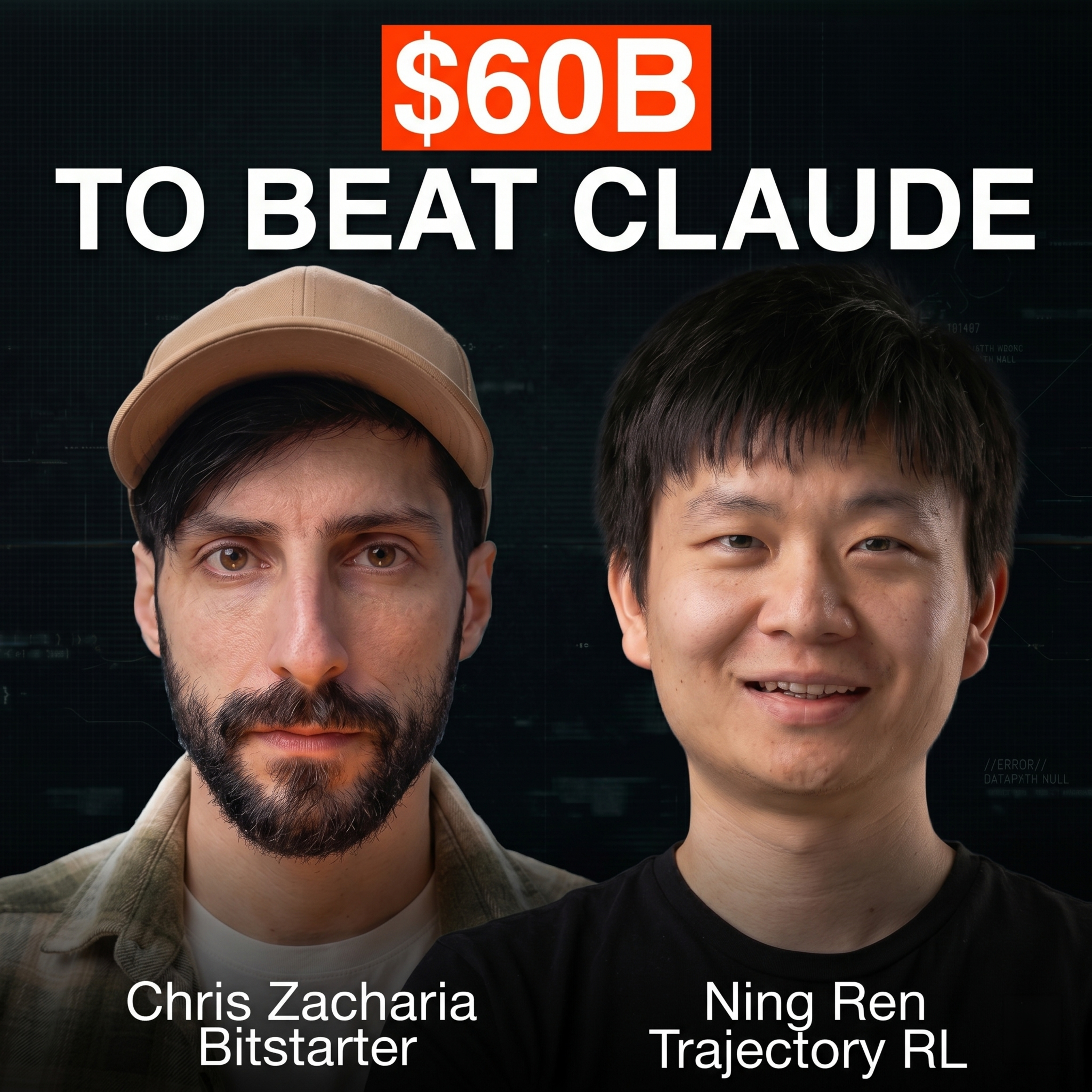
SpaceX is paying AI coding company Cursor $10B for a partnership that includes a call option to acquire them for $60B. This "try before you buy" M&A structure minimizes risk while securing a potential future discount on a high-growth asset.
Related Insights
SpaceX's option to buy AI coding company Cursor for $60B just before its massive IPO is a strategic move to strengthen its AI pitch to investors. It suggests that Elon Musk's existing AI venture, XAI, lacked a compelling product story, and Cursor provides a ready-made, successful one.

Large companies rarely make cold acquisition offers. The typical path is a gradual process starting with a partnership or a small investment. This allows the acquirer to conduct due diligence from the inside, understand the startup's value, and build relationships before escalating to a full buyout.

The SpaceX/Cursor deal strategically strengthens XAI's weaker AI coding story, making the entire SpaceX conglomerate more attractive to public investors. This narrative-building is a key tactic before an IPO to address investor concerns about specific business units.
Merging xAI into the profitable and IPO-hyped SpaceX is a clever financial maneuver. It creates a liquidity event for xAI investors at a massive valuation that would have been difficult to achieve in private markets alone, effectively using the strength of one venture to de-risk another and reward faith in 'Elon Inc'.
SpaceX gives coding AI company Cursor compute and a $10B payout if an acquisition fails, while securing an option to buy a state-of-the-art model. This innovative structure de-risks capital-intensive R&D for the startup and provides the acquirer with a low-cost call option on breakthrough technology.

SpaceX/xAI structured its deal with coding AI company Cursor as an option to buy for $60B. If the deal falls through, Cursor receives a $10B breakup fee. This win-win structure gives Cursor massive upside or non-dilutive capital, while allowing SpaceX to access a state-of-the-art model without the initial training risk and cost.

The SpaceX/Cursor deal, with its $60B acquisition option, reveals a symbiotic survival strategy. SpaceX has immense, underutilized compute but lacks a killer AI application and revenue. Cursor has a strong product and user base but is resource-constrained. This fusion solves both companies' critical weaknesses, signaling a new M&A driver where compute is traded for product-market fit.

By merging xAI (which previously acquired X) into SpaceX, Elon Musk creates a behemoth private company. This strategy rewards investors who backed him across multiple ventures, using the strength and IPO hype of SpaceX to make earlier, riskier bets (like the X take-private) whole, effectively capping the downside.

SpaceX's acquisition of Cursor, even at a 30x revenue multiple, is financially brilliant. Because SpaceX is expected to trade at a 100x+ multiple, it can absorb Cursor's revenue and have the market re-value it at its own higher multiple. This multiple expansion is a form of financial arbitrage common in corporate M&A.
Instead of jumping directly to an acquisition, de-risk the process by first establishing a partnership or licensing agreement. This allows you to test the technology, cultural fit, and market reception with a lower commitment, building a stronger foundation for a potential future deal.
