Get your free personalized podcast brief
We scan new podcasts and send you the top 5 insights daily.
Susquehanna's strategy for bringing institutional clients to prediction markets is not to build direct relationships. Instead, they partner with intermediaries like brokers, banks, and insurance companies who already advise clients on risk, positioning themselves as the ultimate liquidity provider.

Related Insights
While current prediction markets focus on consumer topics like politics and sports, Katie Haun believes the larger, untapped opportunity lies in enterprise applications. Businesses can use these markets for sophisticated risk hedging, predicting outcomes of drug trials, or forecasting litigation results, creating a new category of institutional financial tools.

Susquehanna is bootstrapping institutional liquidity in prediction markets by offering to take on tens of millions in risk, even on contracts with low retail volume. They trust the price discovery from a small number of "super forecasters" to price these large trades.
The line between Wall Street and sports betting has already blurred significantly. Major quantitative and high-frequency trading firms, notably Susquehanna, have established sophisticated sports desks. They leverage their analytical prowess and capital to act as market makers, treating sports outcomes as just another asset class to trade.

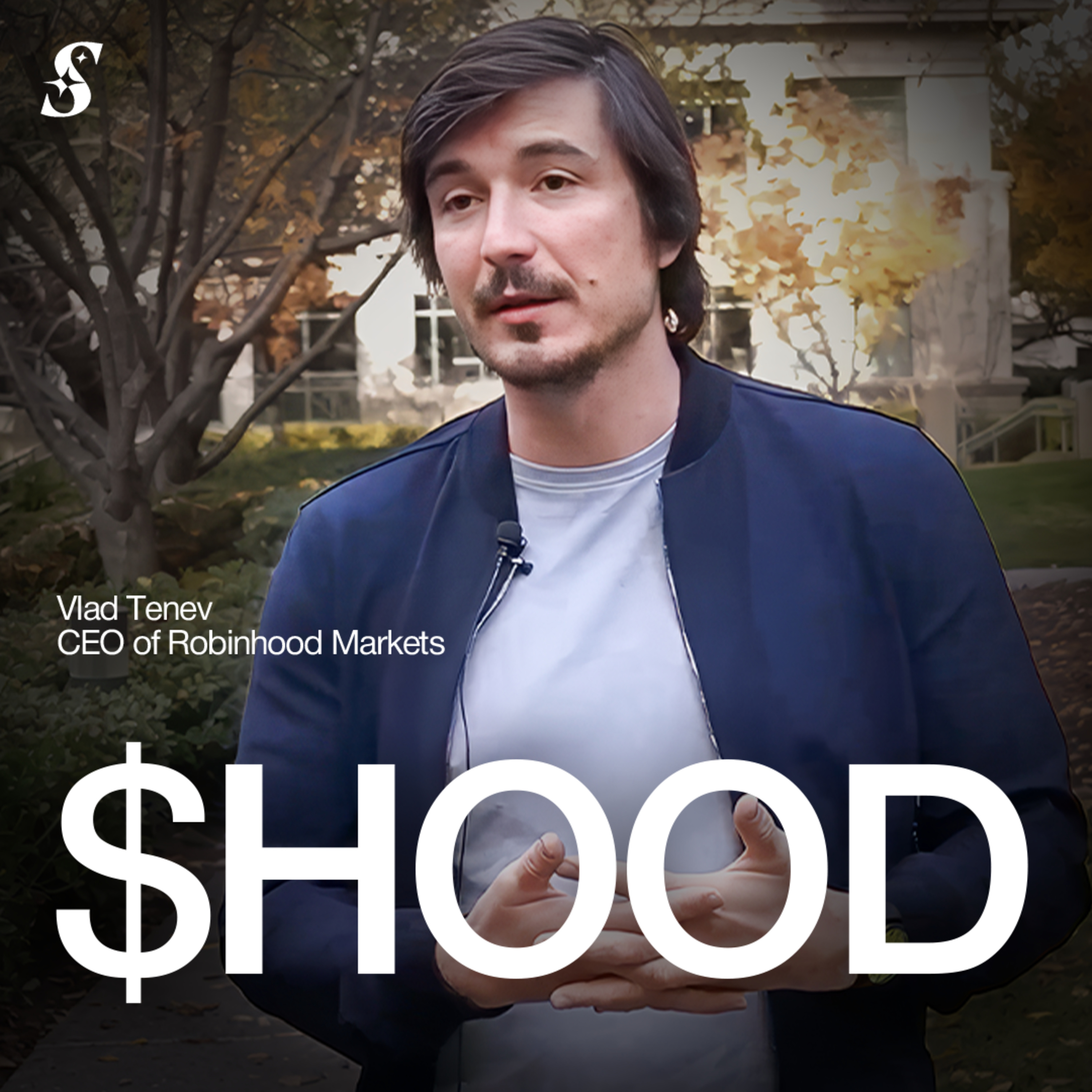
CEO Vlad Tenev views prediction markets as a tool to disrupt massive industries like insurance. He highlights using weather markets to hedge against fire or hurricane risk, creating bespoke, competitive financial products that bypass the cumbersome, expensive traditional insurance brokerage process.
Unlike the common perception of market makers as risk-neutral spread collectors, Susquehanna's culture allows them to take on significant directional risk. They act as the ultimate counterparty, absorbing one-sided hedging demand from the market when necessary.
IBKR's prediction market, Forecast Trader, deliberately avoids sports and pop culture contracts offered by rivals. It focuses exclusively on questions with significant economic consequences, such as recession odds or AI adoption, to attract its existing base of serious, institutional investors.
Prediction markets are accelerating their normalization by integrating directly into established ecosystems. Partnerships with Google, Robinhood, and the NYSE's owner embed gambling-like activities into everyday financial and informational tools, lowering barriers to entry and lending them legitimacy.

Beyond speculation, Robinhood frames prediction markets as a precise hedging tool for real-world risks. A consumer could use a weather contract to financially protect their home from a hurricane, for example, bypassing the high cost and complexity of traditional insurance policies.

The main barrier to institutional adoption of prediction markets for hedging is not a lack of interest, but insufficient liquidity. Large hedge funds and corporations need to be able to place trades in the tens of millions of dollars for it to be worthwhile, a scale Kalshi's markets have yet to consistently reach.
Beyond connecting capital providers and seekers, major financial firms like Goldman Sachs serve a crucial function as market makers by absorbing unwanted risk from one party until a counterparty can be found. This intermediation is essential for market liquidity and function.
