Get your free personalized podcast brief
We scan new podcasts and send you the top 5 insights daily.
Chris Barnes says sleep loss raises irritation and anger while weakening the prefrontal cortex's control over the amygdala. Minor frustrations become major threats, producing outsized emotional reactions. That helps explain outbursts at work and at home, where small problems suddenly feel intolerable, even when nothing serious has changed.

Related Insights
The anxiety from trying to achieve a perfect amount of sleep ironically causes sleep loss, creating a vicious cycle. A recent survey found that 76% of people have lost sleep simply from worrying about it, highlighting that the psychological pressure is a significant part of the problem.
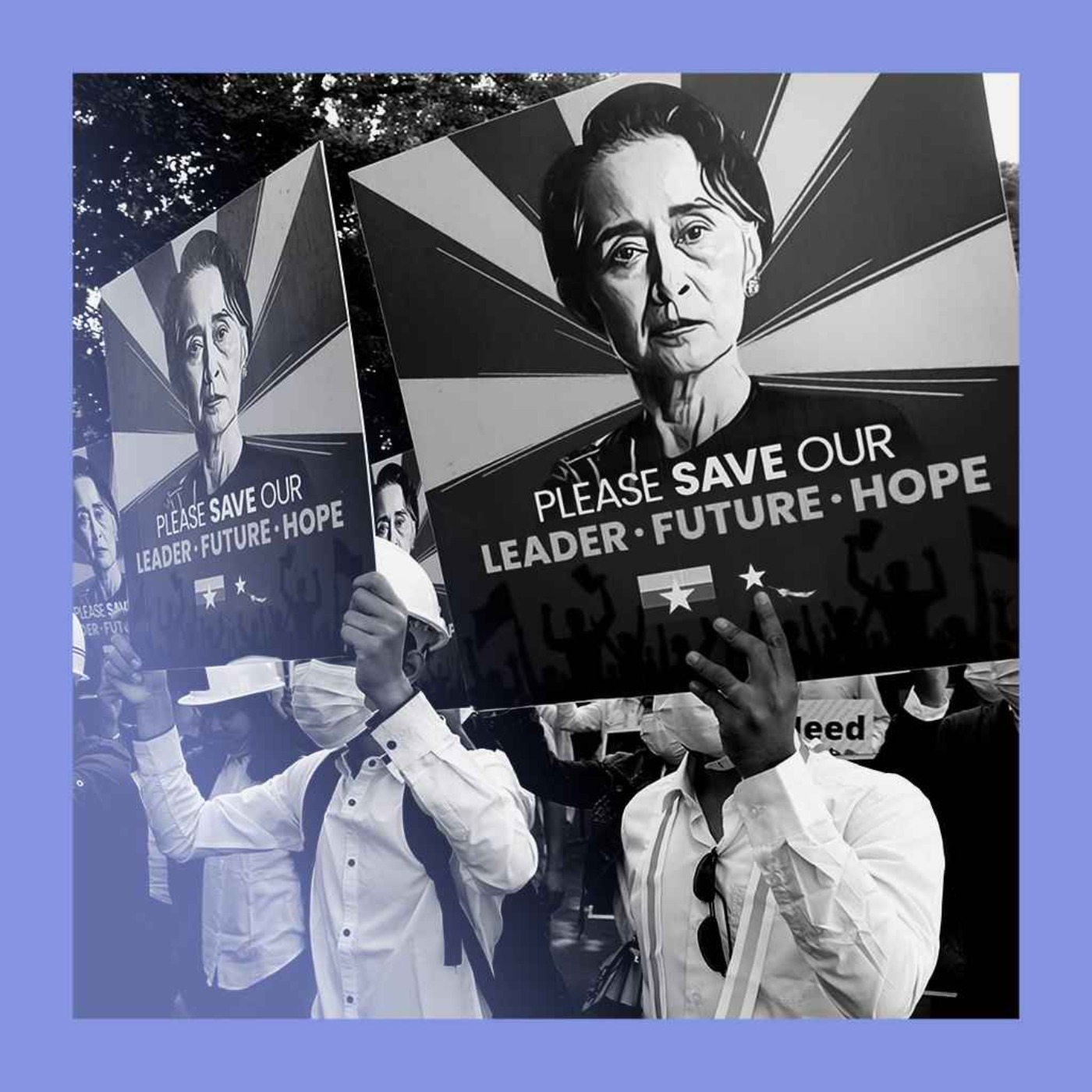
In highly emotionally sensitive individuals, the amygdala (threat detector) overreacts, flooding the system with alarm chemicals. Simultaneously, the prefrontal cortex (logical reasoning) is under-responsive and fails to provide checks and balances, allowing emotion to hijack logic.

Low points in your circadian rhythm impair the brain's ability to regulate emotions. This leads to increased impatience, irritability, and impulsiveness, making team conflicts more likely. Leaders should avoid difficult conversations during these periods of reduced self-control.

Chris Barnes says sleep-deprived people show lower moral awareness. They are less likely to notice that a decision has an ethical dimension at all, so they treat it as a simple non-moral choice rather than seeing nuance. This is distinct from deliberately choosing to do wrong.
Highly sensitive people experience a biological mismatch: their brain's threat detector (amygdala) is overactive, while the center for rational judgment (frontal lobe) is under-responsive. The connection between the two is also weak, causing an emotional runaway train.
High levels of the stress hormone cortisol, combined with low levels of serotonin, increase the "hydraulic pressure" for aggression. This state primes the sympathetic nervous system for reactivity. Managing cortisol through tools like sunlight exposure, sauna, or ashwagandha can directly reduce the biological tendency toward aggression.

The brain's deliberative "Pause & Piece Together" system is suppressed by stress, which boosts the impulsive "Pursue" (reward) and "Protect" (threat) systems. This neurological process explains why we make rash choices when tired or under pressure.
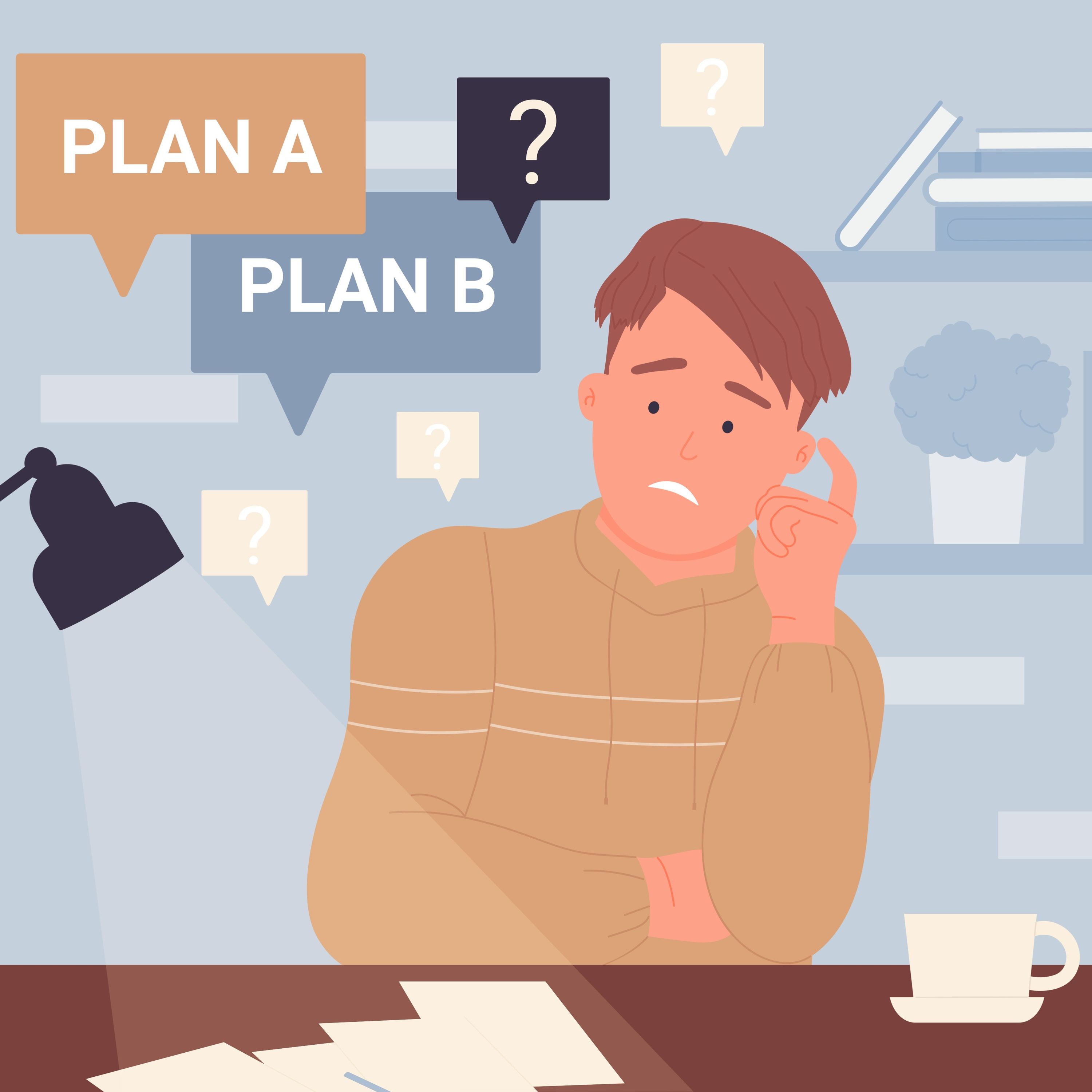
Extreme states, like burnout or total ease, can cause emotional dysregulation, where your internal state no longer makes sense. This happens when the brain's ability to connect cause and effect breaks down, leading to generalized anxiety and bizarre behaviors, mirroring the mice in the 'Utopia' experiment.

Over short periods, sleep deprivation's main cognitive effect is a reduction in processing speed, not accuracy. The quality of work remains the same; it just takes longer. Mood is affected far more significantly than actual performance, a useful insight for managing expectations after a poor night's sleep.

Chris Barnes says workplaces are full of small temptations to cut corners or shift blame. Sleep-deprived people have less ability to resist impulsiveness, so the same person behaves more unethically on days after poor sleep. Even an hour of lost sleep can matter, he says.