Get your free personalized podcast brief
We scan new podcasts and send you the top 5 insights daily.
When Kettle Chips faced a near-fatal product recall and lost its first major supermarket contract, the company survived only because its established, profitable nut business could absorb the financial losses. This highlights the value of a stable revenue stream when launching a risky new product line.

Related Insights
Acting on a tip about a looming peanut crop failure, founder Cameron Healy took a massive risk by contracting far more nuts than he needed. When the market price tripled, he sold the excess for a huge profit, capitalizing his otherwise cash-strapped business.
Healy acknowledges his decision to expand to the UK as a small regional brand was illogical and naive. He believes this lack of foresight is crucial for entrepreneurs, as knowing the true difficulty of a venture would prevent them from attempting such bold, category-defining moves in the first place.
Instead of starting in a kitchen, CPG entrepreneur Emma Hernan bought a manufacturing facility first. This generated revenue by co-packing for other brands, secured her own supply chain, and created multiple income streams from a single asset before her product even launched.

Cameron Healy discovered that the popular Maui Potato Chip Company, despite its local brand, was importing potatoes from his home state of Oregon. He immediately recognized he could eliminate massive shipping costs and gain a significant advantage by sourcing locally.
A near-bankruptcy experience instilled in Ed Stack an aversion to debt. This "paranoid" financial discipline, while criticized by Wall Street as suboptimal, became a key strategic advantage. By self-funding growth, Dick's maintained control and agility, allowing it to survive downturns that crushed its highly-leveraged competitors.
![Ed Stack: Lessons from Dick’s Sporting Goods [Outliers] thumbnail](https://megaphone.imgix.net/podcasts/2e1ece1e-9418-11f0-a293-fbf26a5641f7/image/c326da117a8c3f34b0eb64d2cab694ad.png?ixlib=rails-4.3.1&max-w=3000&max-h=3000&fit=crop&auto=format,compress)
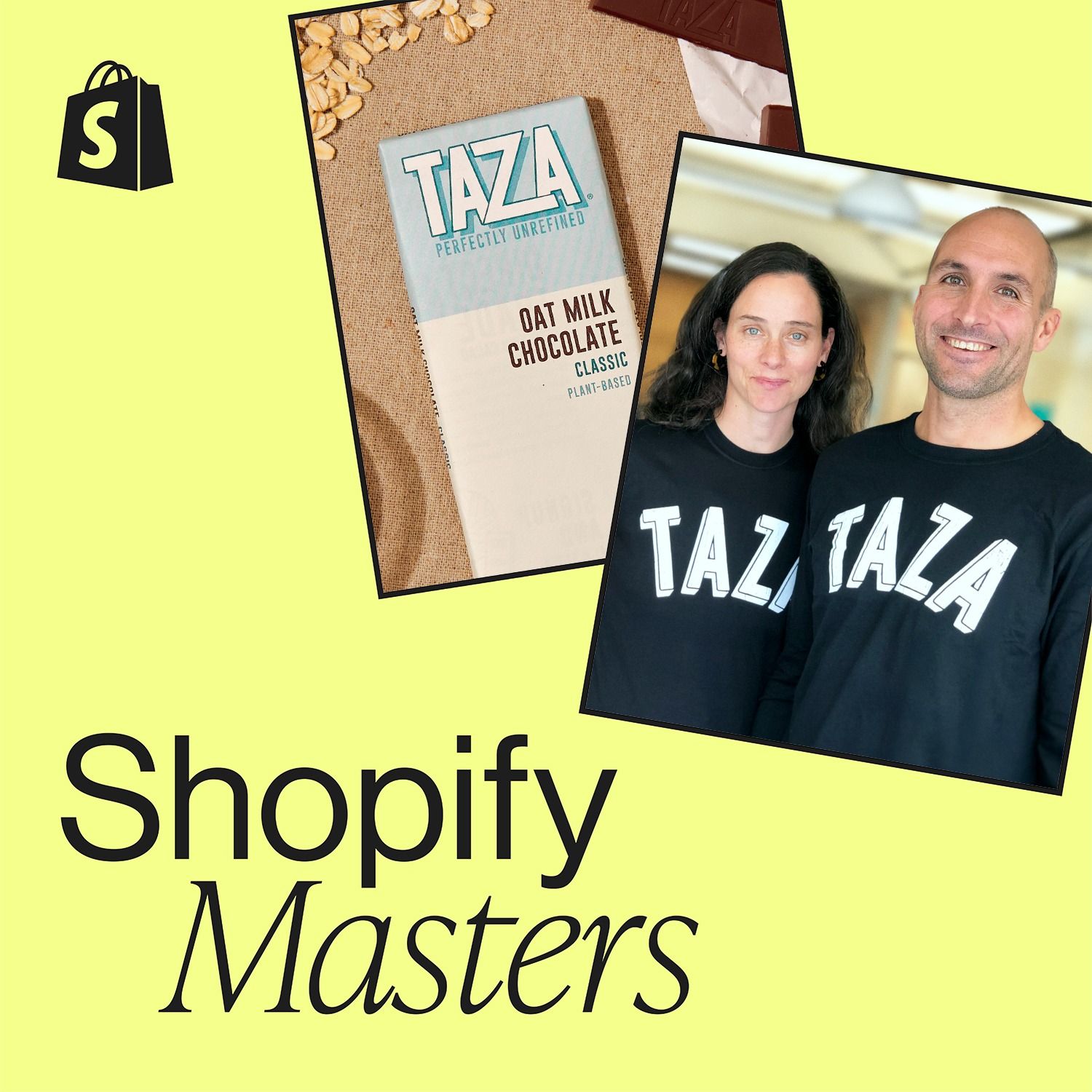
Faced with fluctuating consumer demand, Taza diversified into B2B services like co-manufacturing and private label. This strategy kept their factory machinery utilized and staff employed, creating a stable operational and financial foundation that de-risked their more volatile branded business.
Following a devastating product recall and contract loss, Cameron Healy was deeply depressed. A serious car accident, from which his family emerged unharmed, served as a powerful "wake-up call," jolting him out of his despondency and renewing his determination to save the business.
After being summarily dismissed from the communal businesses he helped create, Cameron Healy was left with no income and four kids to support. This dire situation became the non-negotiable catalyst for starting his own company, driven by the immediate need for survival.
While there was a business case for expanding Kettle Chips to the UK, the founder admitted a primary driver was his personal desire to have an excuse to travel to Europe more often. This shows how personal passions can fuel successful, albeit unconventional, business strategies.
The signal to switch from their main sandwich business to the side-hustle pita chips came from customers asking for extra bags to take home. This qualitative feedback was a more powerful indicator for Stacey's Pita Chips than early sales figures, prompting the full pivot.