Get your free personalized podcast brief
We scan new podcasts and send you the top 5 insights daily.
A high-level discussion among experts reveals a growing debate about the long-term use of antibody-drug conjugates (ADCs). They question whether the benefits of continuous chemotherapy delivery outweigh the cumulative and novel toxicities, suggesting a need for a more balanced approach to treatment duration.

Related Insights
Unlike immunotherapy, where re-challenge after progression is dubious, there is an emerging clinical practice of re-challenging patients with the same antibody-drug conjugate (ADC), such as enfortumab vedotin (EV), after a treatment break forced by toxicity. Anecdotally, patients are showing great responses, highlighting a key area for prospective data generation.

Real-world data suggests that using one antibody-drug conjugate (ADC) immediately after another is often ineffective. A potential strategy to overcome this resistance is to administer a different class of chemotherapy before starting the second ADC.
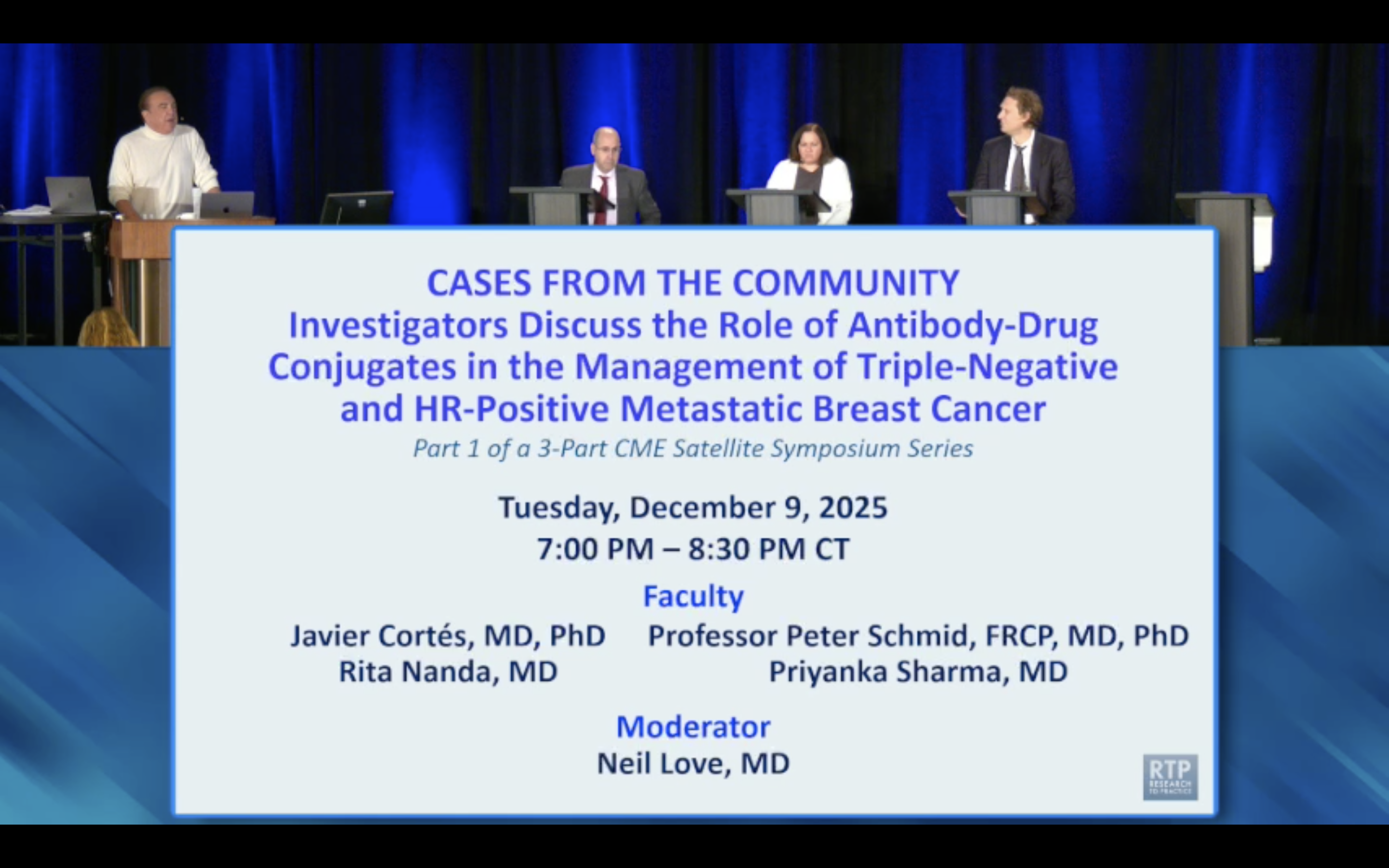
An ADC may show better response rates than chemotherapy, but its true benefit is compromised if toxicities lead to treatment discontinuation. As seen with failed PARP/IO combinations, if patients cannot tolerate a drug long enough, the regimen's overall effectiveness can become inferior to standard therapy.
Experts are cautious about using ADCs as long-term frontline maintenance therapy in ovarian cancer. Unlike oral PARPs, prolonged administration of these potent chemotherapies could cause cumulative toxicities, especially bone marrow suppression, potentially rendering patients unable to tolerate essential treatments upon relapse.

As various maintenance therapies (immunotherapy, ADCs) are integrated into endometrial cancer treatment, the next major clinical question is defining how long these agents need to be continued to maximize benefit while minimizing long-term toxicity and patient burden.

Combining two payloads in an Antibody-Drug Conjugate (ADC) introduces a major risk: new, synergistic toxicities not seen with either agent alone. This complicates dose-finding and safety assessment, requiring developers to anticipate and monitor for entirely novel side effects.

Though ADCs like Sacituzumab Govitekan cause notable side effects like diarrhea and neutropenia, patient-reported outcome data shows they provide a meaningful and sustained improvement in quality of life compared to standard chemotherapy. This was observed even with longer treatment durations and lower discontinuation rates.
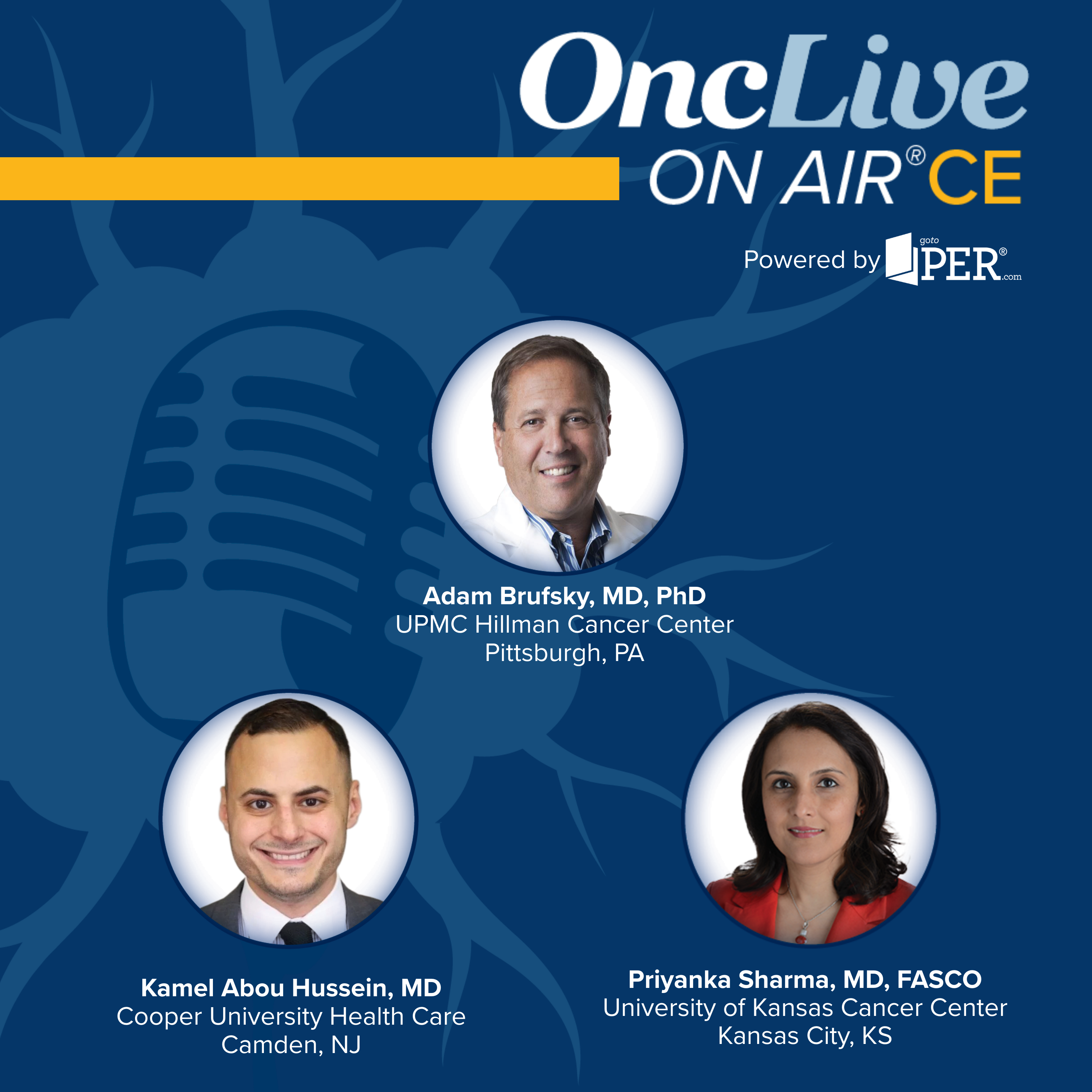
As multiple effective Antibody-Drug Conjugates (ADCs) become available, the primary clinical challenge is no longer *if* they work, but *how* to use them best. Key unanswered questions involve optimal sequencing, dosing for treatment versus maintenance, and overall length of therapy, mirroring issues already seen in breast cancer.
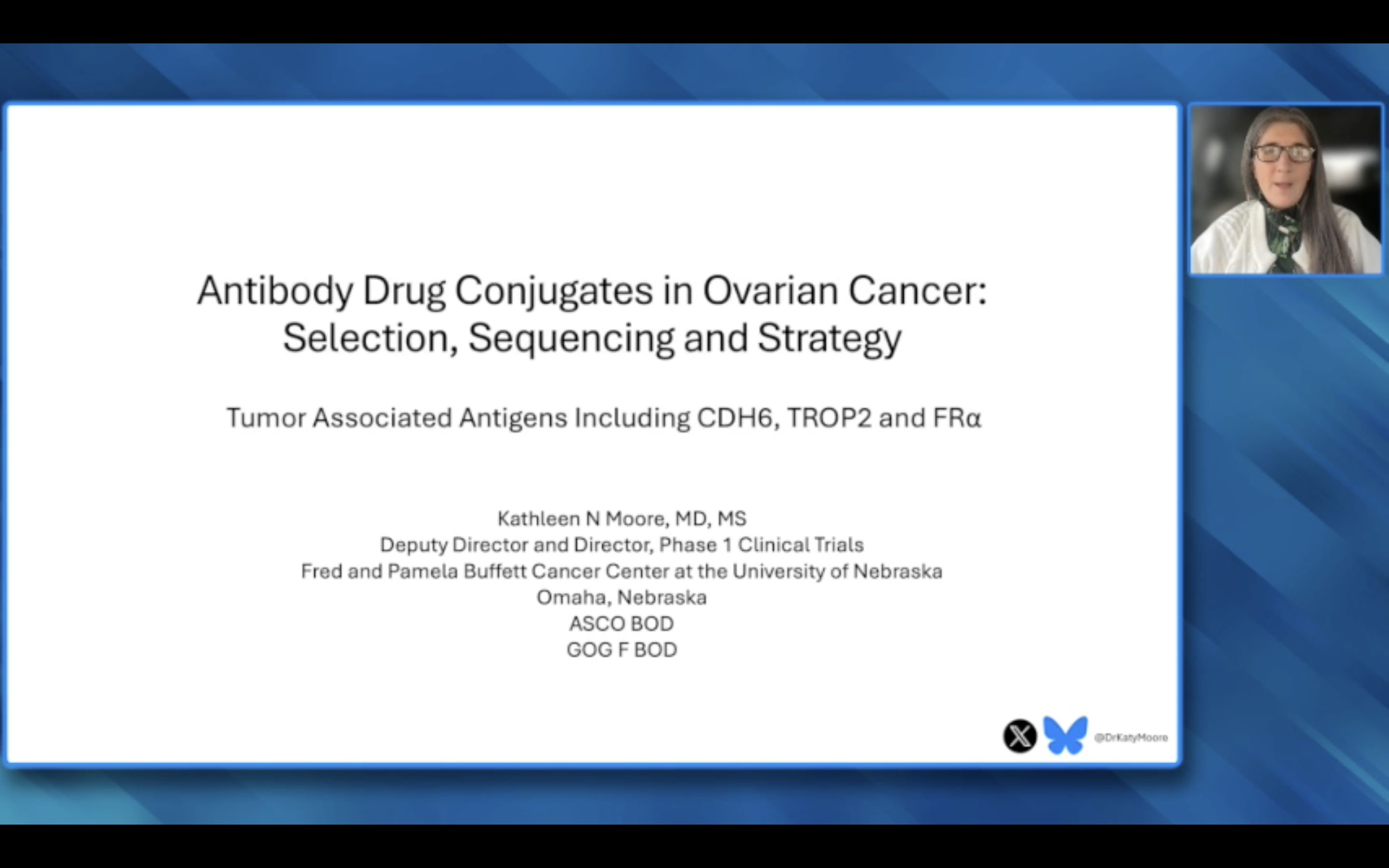
Despite being advanced targeted therapies, TROP2-directed ADCs present complex safety profiles. Oncologists must manage classic chemotherapy side effects like nausea and cytopenias alongside unique, serious toxicities including stomatitis, ocular issues, and potentially fatal interstitial lung disease, requiring specialized patient monitoring and counseling.

Clinical trial data shows that despite specific toxicities, antibody-drug conjugates (ADCs) can be better tolerated overall than standard chemotherapy. For example, trials for both sacituzumab govitecan and dato-DXd reported fewer patients discontinuing treatment in the ADC arm compared to the chemotherapy arm.