Get your free personalized podcast brief
We scan new podcasts and send you the top 5 insights daily.
Though ADCs like Sacituzumab Govitekan cause notable side effects like diarrhea and neutropenia, patient-reported outcome data shows they provide a meaningful and sustained improvement in quality of life compared to standard chemotherapy. This was observed even with longer treatment durations and lower discontinuation rates.
Related Insights
While CELMoDs frequently cause neutropenia, this effect is most pronounced in early cycles and manageable with growth factors. This contrasts sharply with the persistent, quality-of-life-impairing non-hematologic side effects of lenalidomide, such as rash and severe fatigue. This trade-off results in a significantly better long-term tolerability profile for patients.
An ADC may show better response rates than chemotherapy, but its true benefit is compromised if toxicities lead to treatment discontinuation. As seen with failed PARP/IO combinations, if patients cannot tolerate a drug long enough, the regimen's overall effectiveness can become inferior to standard therapy.
A patient's reminder that even clinically-graded "mild" side effects like grade 2 diarrhea can be debilitating highlights a disconnect between clinical assessment and patient experience. This underscores the need for oncologists to consider the real-world impact of toxicities, like the ability to leave the house, when choosing a treatment regimen.

Beyond nearly doubling survival rates, Immuneering emphasizes concrete quality of life improvements, such as a patient regaining the ability to drive. This patient-centric narrative powerfully demonstrates the drug's real-world impact and differentiates it from therapies with grueling side effects.

The failure of the TROPiCS-04 trial for sacituzumab govitecan may not indicate the TROP2 ADC class is ineffective. Experts suggest problems with dosing and toxicity management (e.g., neutropenia) during the trial could be the real culprit, arguing that the drug class still holds promise.

Despite both being Trop-2 targeted antibody-drug conjugates, Sacituzumab Govitecan and Datopotomab duroxotein have distinct side effects due to different linkers and payloads. Sacituzumab causes neutropenia and diarrhea, while Datopotomab is linked to stomatitis and ocular issues, requiring unique management strategies.

The REJOICE trial for an ADC in ovarian cancer exemplifies a critical trend: embedding multi-arm dose optimization studies. This approach identified a dose that maintained high response rates (57%) while significantly lowering rates of serious adverse events like ILD (from 6% to 3%), prioritizing patient safety.
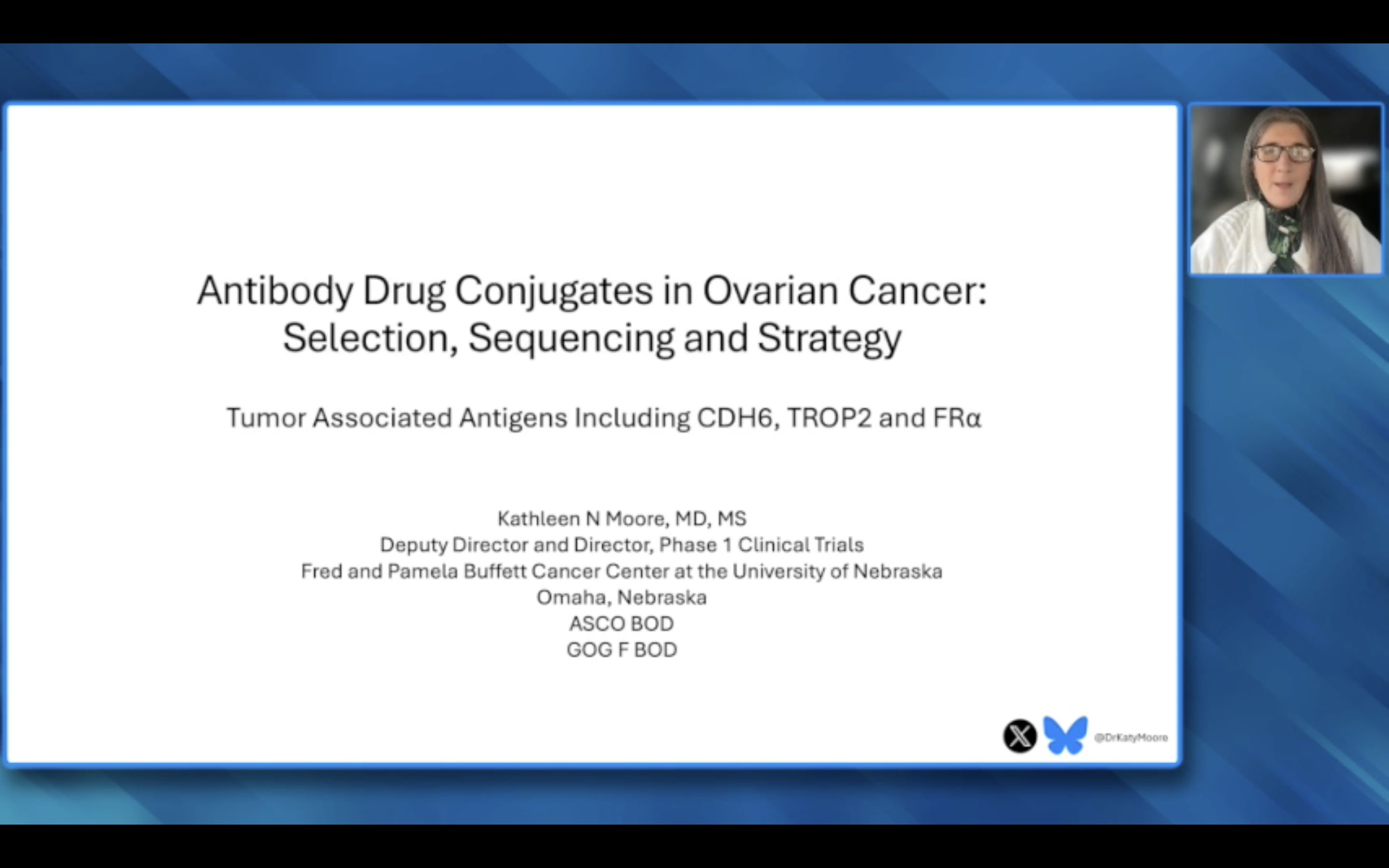
Despite being advanced targeted therapies, TROP2-directed ADCs present complex safety profiles. Oncologists must manage classic chemotherapy side effects like nausea and cytopenias alongside unique, serious toxicities including stomatitis, ocular issues, and potentially fatal interstitial lung disease, requiring specialized patient monitoring and counseling.
Clinical trial data shows that despite specific toxicities, antibody-drug conjugates (ADCs) can be better tolerated overall than standard chemotherapy. For example, trials for both sacituzumab govitecan and dato-DXd reported fewer patients discontinuing treatment in the ADC arm compared to the chemotherapy arm.
Patient-reported outcome data from the CAPITELLO-281 trial showed superimposable curves for well-being between the capivasertib and placebo arms. This suggests that while toxicities like rash and diarrhea exist and require management, they do not detract from patients' overall quality of life.
