Get your free personalized podcast brief
We scan new podcasts and send you the top 5 insights daily.
When their first major grocery retailer, Albertsons, entered a labor strike over healthcare, Seventh Generation faced a dilemma. Instead of pulling their products or staying silent, they donated all profits from Albertsons sales to the workers' strike fund, actively opposing their retail partner's position to uphold company values.

Related Insights
Ben Cohen argues that business is inherently political through covert lobbying and donations. Ben & Jerry's strategy is to be overt about its political stances, aligning them with community values rather than just corporate self-interest. This transforms political engagement from a risk into a powerful brand differentiator.

True leadership means upholding values even when it hurts short-term financials. Schultz resisted investor pressure to cut employee healthcare during tough times, believing long-term success is built on a people-first culture. He famously argued that profitability without purpose is a shallow aspiration.

Wild Rye, a certified B Corp, finds that taking strong public stances on issues like reproductive rights amplifies their brand and strengthens customer loyalty. The founder believes this creates a financial upside that is far greater than the direct costs of donations and certifications, especially for a growing brand.
Research shows boycotts rarely cause significant stock price declines. Their primary power lies in generating media attention, which pressures corporate leaders to change behavior to protect the company's reputation, rather than its immediate shareholder value.

The company instills a culture where profitability is the necessary engine for its mission, including B Corp initiatives and 1% for the Planet. This framing moves profit from a purely financial goal to an operational requirement for achieving their charitable and employee-focused objectives.

To live its brand purpose during the pandemic, Red Wing launched a "Labor Day On" initiative. They transformed their retail stores into career centers and repurposed their call center to help people find local jobs, demonstrating a deep commitment to supporting skilled labor beyond just selling products.

The founders of the P. Terry's burger chain rejected a $70-100M acquisition offer, valuing their employee-centric culture more than the windfall. They feared a new owner would prioritize profits over people, compromising their legacy of community giving and employee support.
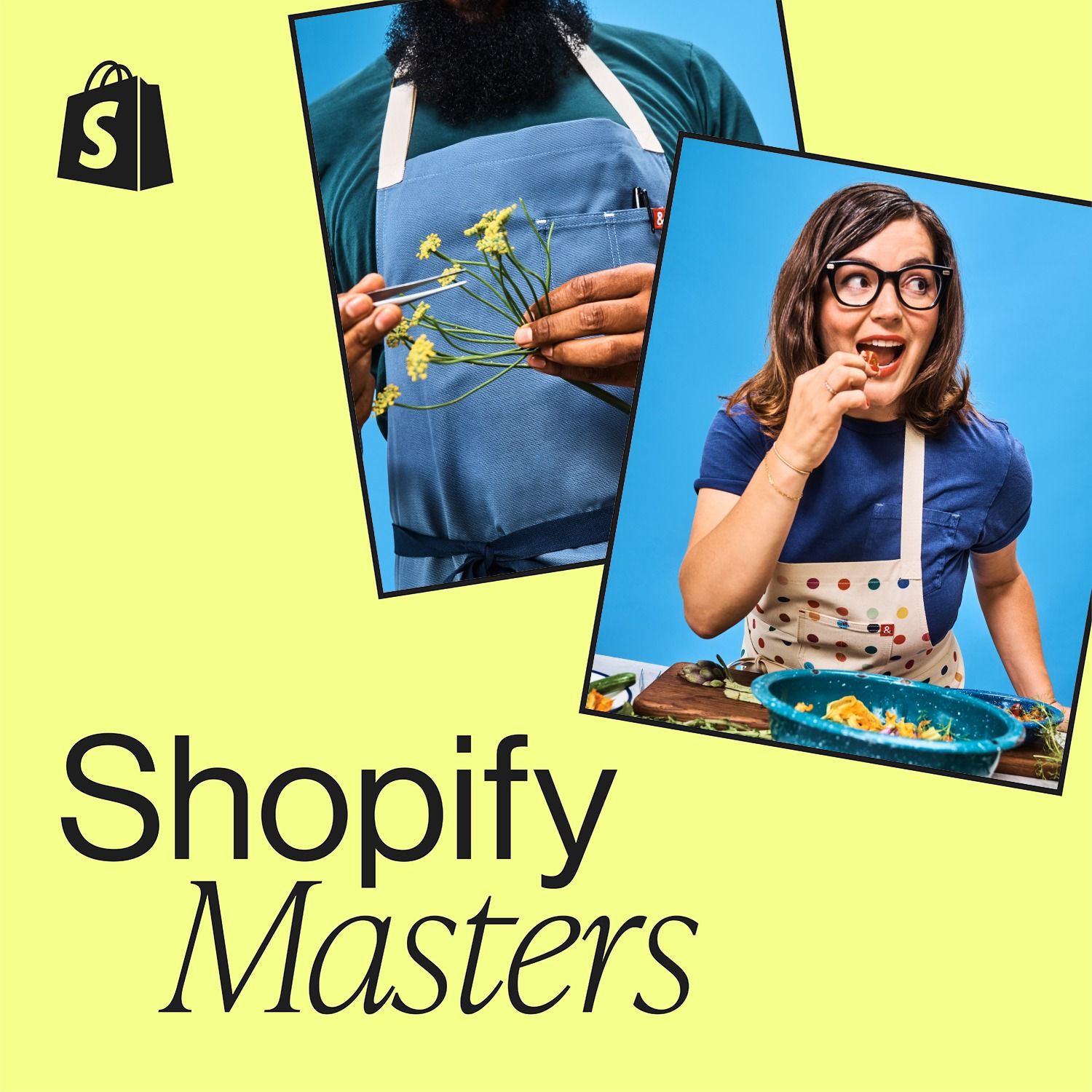
When a 150-apron order failed to meet a deadline, founder Ellen Bennett gave the entire order away for free, despite not having the money. This costly move demonstrated integrity and extreme ownership, solidifying the customer relationship and reinforcing the brand's long-term values over short-term profit.
The founder argued against a smaller donation, stating that the boldness of giving away 50% of profits *is* the core marketing story. This ambitious commitment is what motivates employees, hooks customers, and generates media attention, effectively acting as a powerful growth driver.
Both companies leverage their independent ownership to make long-term, values-driven decisions that might be challenged by public market investors. This structure provides the freedom to prioritize purpose over immediate profit, such as restraining growth or making bold political statements.