Get your free personalized podcast brief
We scan new podcasts and send you the top 5 insights daily.
A Stanford Law School study revealed a surprising preference for AI's quality in a specialized field. When 16 law professors blindly evaluated legal answers, they chose the AI-generated responses 75% of the time over those written by other human law professors.

Related Insights
To ensure accuracy in its legal AI, LexisNexis unexpectedly hired a large number of lawyers, not just data scientists. These legal experts are crucial for reviewing AI output, identifying errors, and training the models, highlighting the essential role of human domain expertise in specialized AI.

Parvy's founders validated their idea by applying GPT-3 to 100 legal questions from Reddit. They sent the AI-generated answers to attorneys, who approved 86% without edits. This simple, real-world test was so effective it surprised even OpenAI's own legal team about their model's capabilities.

While they still make mistakes and lack access to some databases, frontier models like Claude and GPT are already superior to the average human lawyer in terms of pure cognitive ability and legal analysis. The hosts believe this capability gap will only widen.

A New York Times blind taste test revealed that readers preferred AI-generated passages over human-written ones in literary fiction, fantasy, and science writing. This suggests AI has surpassed a critical quality threshold, moving beyond factual summarization to excel in nuanced, creative domains traditionally dominated by humans.

A significant shift is occurring in legal hiring, where practical AI proficiency is becoming more valuable than traditional credentials. Some firms now state they would hire an AI expert from a mid-tier school over a top Harvard graduate with no AI experience.
In an experiment, a professional writer's colleagues couldn't reliably distinguish his satirical column from an AI-generated one. Some even preferred the AI's version, calling it more coherent or closer to his style, revealing AI's startling ability to mimic and even improve upon creative human work.

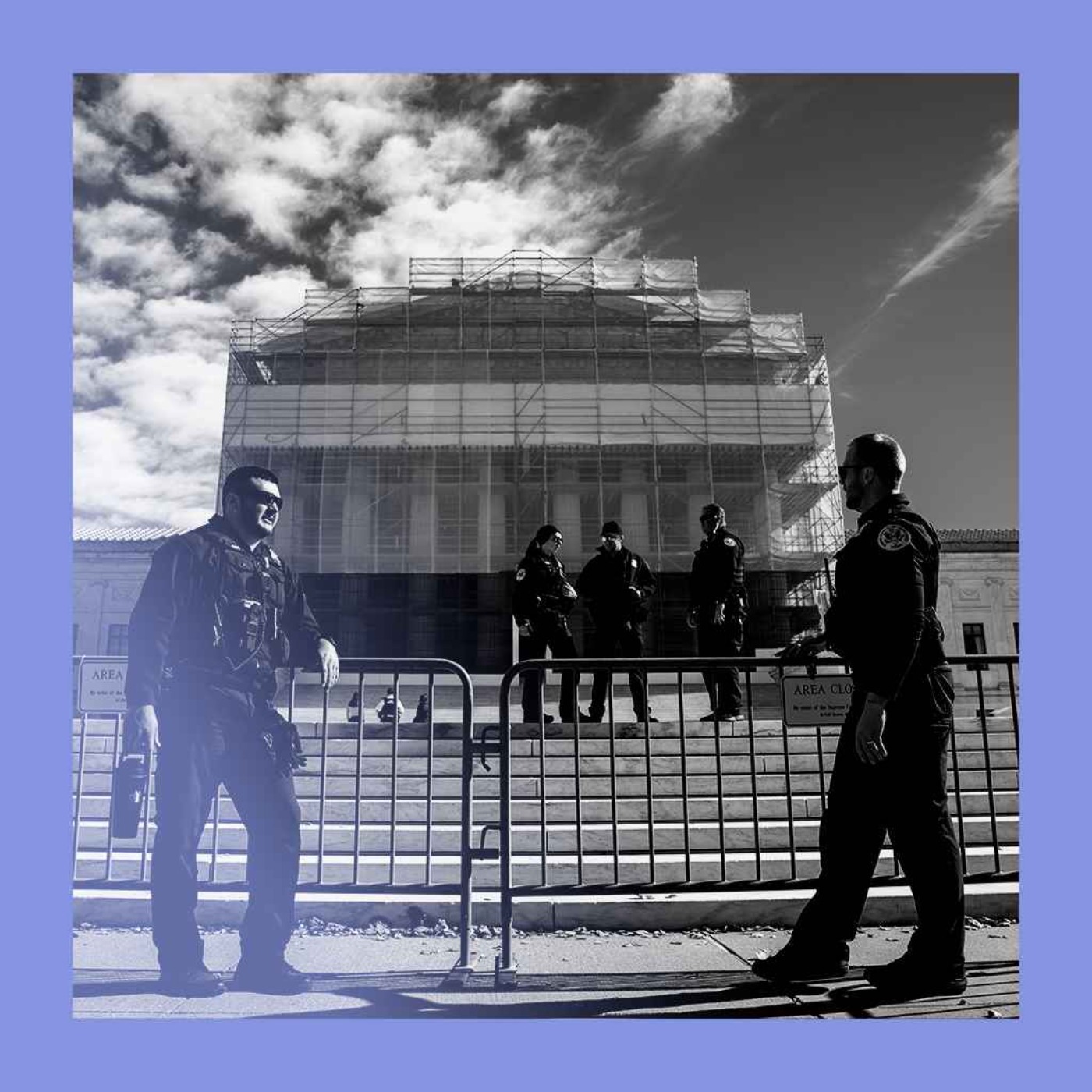
The Economist's AI tool, SCOTUSBOT, successfully predicted the outcome of a major Supreme Court tariff case. It initially favored Trump but reversed its forecast after analyzing case briefs, becoming even more confident after processing the oral argument transcript, demonstrating AI's predictive power in law.
When an Economist writer pitted his own satirical column against one generated by AI, several colleagues mistakenly identified the AI's version as his. They found the AI's writing more coherent and, in some cases, more representative of his style, highlighting AI's shocking proficiency in creative and nuanced tasks.

A study found evaluators rated AI-generated research ideas as better than those from grad students. However, when the experiments were conducted, human ideas produced superior results. This highlights a bias where we may favor AI's articulate proposals over more substantively promising human intuition.

The once-critical problem of AI hallucinations has been dramatically reduced. Current frontier models are now more reliable in this regard than human junior associates, making them viable for professional legal work, contrary to popular belief.
