Get your free personalized podcast brief
We scan new podcasts and send you the top 5 insights daily.
With AI, codebases become queryable knowledge bases for everyone, not just engineers. Granting broad, read-only access to systems like GitHub from day one allows new hires in any role (product, design, data) to use AI to get context and onboard dramatically faster.
Related Insights
AI will eliminate the tedious 'hazing' phase of a junior developer's career. Instead of spending years on boilerplate code and simple bug fixes, new engineers will enter an 'officer's school,' immediately focusing on high-level strategic tasks like system architecture and complex problem-solving.

Integrate AI agents directly into core workflows like Slack and institutionalize them as the "first line of response." By tagging the agent on every new bug, crash, or request, it provides an initial analysis or pull request that humans can then review, edit, or build upon.
Use an AI assistant like Claude Code to create a persistent corporate memory. Instruct it to save valuable artifacts like customer quotes, analyses, and complex SQL queries into a dedicated Git repository. This makes critical, unstructured information easily searchable and reusable for future AI-driven tasks.
By creating a central repository infused with company strategy and market data, AI tools can help junior PMs produce assets with the same contextual depth as a 20-year veteran, democratizing product intuition and standardizing quality across the team.

Instead of using siloed note-taking apps, structure all your knowledge—code, writing, proposals, notes—into a single GitHub monorepo. This creates a unified, context-rich environment that any AI coding assistant can access. This approach avoids vendor lock-in and provides the AI with a comprehensive "second brain" to work from.

Moving PRDs and other product artifacts from Confluence or Notion directly into the codebase's repository gives AI coding assistants persistent, local context. This adjacency means the AI doesn't need external tool access (like an MCP) to understand the 'why' behind the code, leading to better suggestions and iterations.

Instead of codebases becoming harder to manage over time, use an AI agent to create a "compounding engineering" system. Codify learnings from each feature build—successful plans, bug fixes, tests—back into the agent's prompts and tools, making future development faster and easier.
Don't view AI tools as just software; treat them like junior team members. Apply management principles: 'hire' the right model for the job (People), define how it should work through structured prompts (Process), and give it a clear, narrow goal (Purpose). This mental model maximizes their effectiveness.
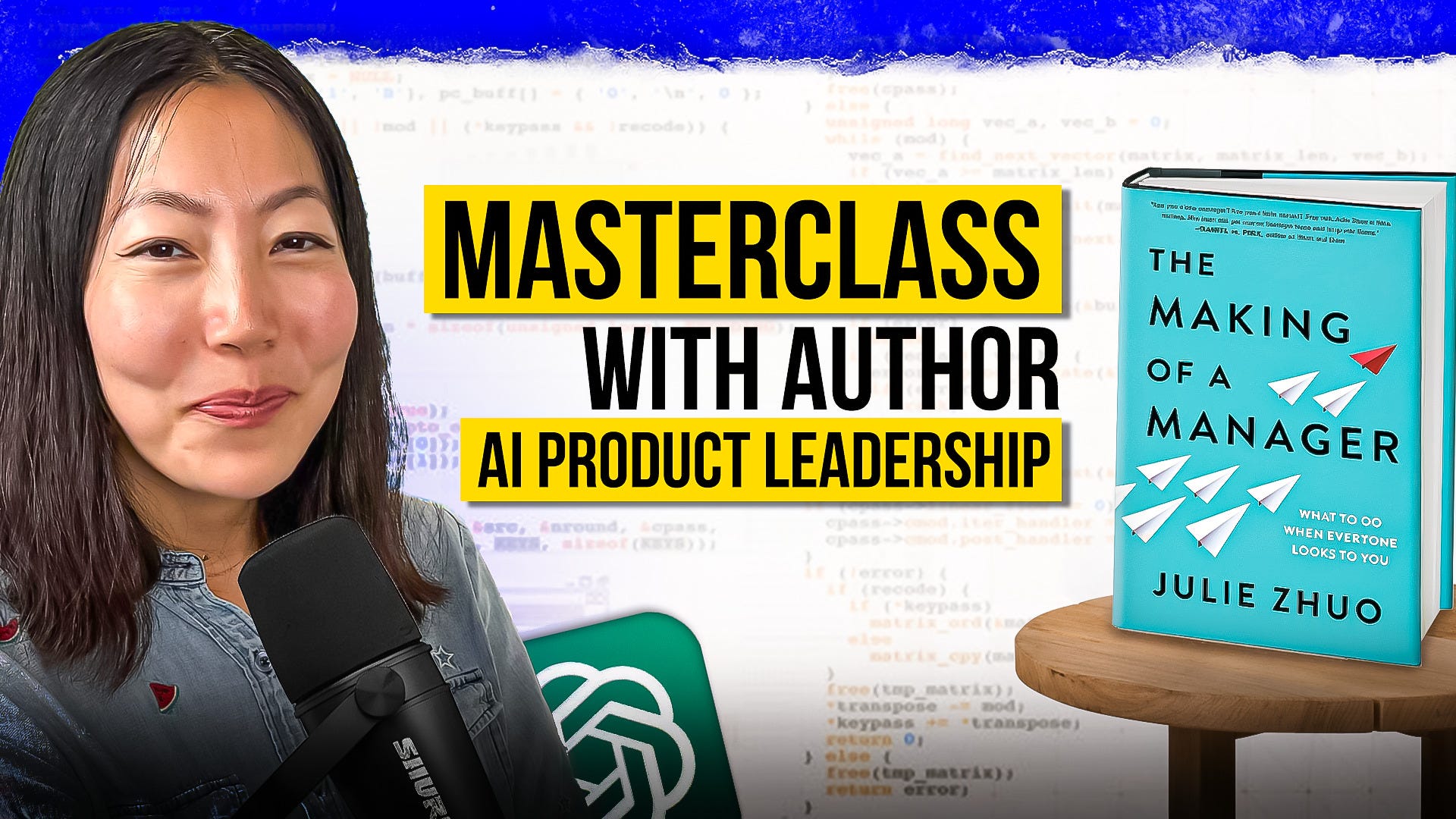
To transform a product organization, first provide universal access to AI tools. Second, support teams with training and 'builder days' led by internal champions. Finally, embed AI proficiency into career ladders to create lasting incentives and institutionalize the change.

AI tools connected to GitHub allow non-technical roles to conduct "forensic investigations" of a codebase. By prompting an AI, they can generate a full timeline of commits and PRs for a specific feature, providing ground-truth context during business incidents without needing engineering help.