Get your free personalized podcast brief
We scan new podcasts and send you the top 5 insights daily.
A cost-effective solution to weaken hurricanes by cooling surface water exists, but its adoption is stalled. This reflects a major market failure: the world lacks a mechanism to fund proactive, large-scale disaster prevention, even when potential ROI is hundreds of billions.

Related Insights
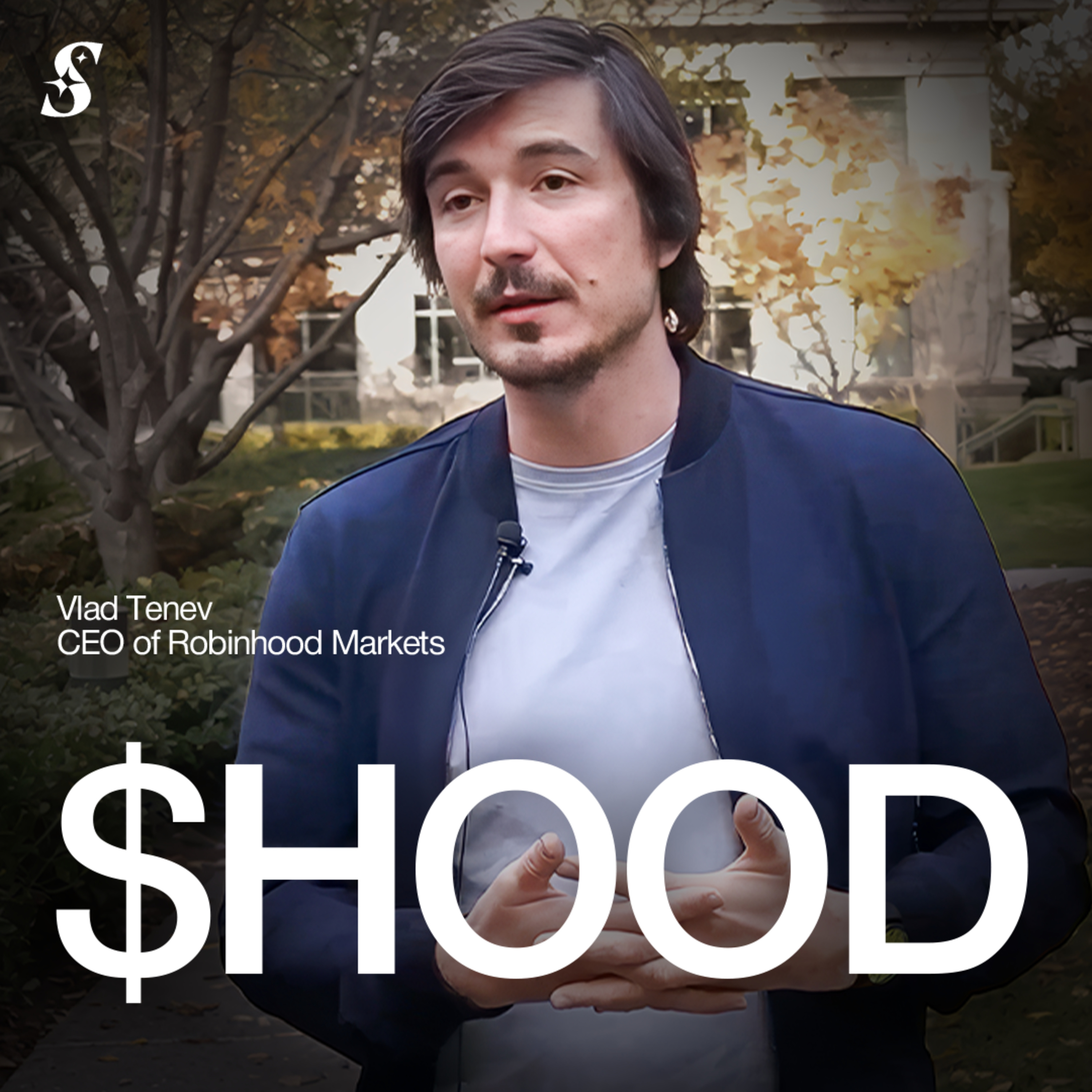
CEO Vlad Tenev views prediction markets as a tool to disrupt massive industries like insurance. He highlights using weather markets to hedge against fire or hurricane risk, creating bespoke, competitive financial products that bypass the cumbersome, expensive traditional insurance brokerage process.
A regulator who approves a new technology that fails faces immense public backlash and career ruin. Conversely, they receive little glory for a success. This asymmetric risk profile creates a powerful incentive to deny or delay new innovations, preserving the status quo regardless of potential benefits.

Construction projects have limited upside (e.g., 10-15% under budget) but massive downside (100-300%+ over budget). This skewed risk profile rationally incentivizes builders to stick with predictable, traditional methods rather than adopt new technologies that could lead to catastrophic overruns.

Governments in climate-vulnerable regions are increasingly using financial instruments like catastrophic bonds ('cat bonds') to manage risk. These bonds provide immediate capital for rebuilding after a disaster, offering a faster and more reliable source of funding than traditional aid channels and becoming a key part of resilience strategy.

To solve the chicken-and-egg problem for new green products like clean steel, companies can use Advanced Market Commitments. A coalition of buyers pre-commits to purchasing the product, giving producers the financial security to build out manufacturing.

Instead of focusing on marginal emissions cuts, companies should leverage their unique capabilities to solve hard problems. This means acting as early buyers for new green technologies or investing in R&D within their supply chains, creating new markets for the entire industry.
Insurers like Aviva are finding it increasingly difficult to price risk for predictable climate-related catastrophes, such as houses repeatedly built on known floodplains. The near-inevitability of these events makes them uninsurable, prompting the creation of hybrid government-backed schemes where the private market can no longer operate.
Beyond speculation, Robinhood frames prediction markets as a precise hedging tool for real-world risks. A consumer could use a weather contract to financially protect their home from a hurricane, for example, bypassing the high cost and complexity of traditional insurance policies.

For existential crises like climate change, the typical market model of secretive, competing scientists guarding IP is inefficient. A collaborative 'Manhattan Project' approach that gathers top minds to work collectively is a far better model for solving such large-scale public goods problems.
Founders often chase severe, 'shark bite' problems that are rare. A more sustainable business can be built solving a common, less severe 'mosquito bite' problem, as the market size and frequency of need are far greater.