Get your free personalized podcast brief
We scan new podcasts and send you the top 5 insights daily.
While fund fees are scrutinized, the most problematic fee structures exist in Special Purpose Vehicles (SPVs). These syndicates can charge opaque, multi-layered management fees ranging from 4% to 10%, creating an almost "criminal" situation for the long tail of investors who may not understand the true cost.

Related Insights
Elite founders from companies like Anthropic and Anduril, having dealt with the mess of Special Purpose Vehicles (SPVs), are now advising the next generation to avoid them. This reputational damage suggests SPVs will increasingly become a tool only for lower-tier companies.
To democratize venture capital, ARK created a fund that eliminates the traditional 20% carried interest (a share of profits). Instead, it charges a flat 2.75% management fee. This structure aims to give retail investors with as little as $500 direct access to premier private company cap tables without the performance fees that typically benefit fund managers disproportionately.

Contrary to the idea that all capital is good capital, elite founders strongly dislike SPVs. They want to know exactly who is on their cap table and view SPVs as a risky, obfuscated way to assemble capital that compromises control.

Large venture funds generating substantial management fees can become misaligned with founders. Their behavior may shift to prioritize fee generation over maximizing returns, whereas smaller, specialized firms' success is more directly tied to their portfolio companies winning.

Complex, multi-layered SPVs used to sell private stock to smaller investors are creating massive hidden risks. With stacked fees and lack of transparency, a wave of litigation from aggrieved investors is inevitable when these companies IPO and the true, diluted returns are finally revealed.

To participate in highly competitive late-stage deals, some VCs organize SPVs without management fees or carry. While not directly profitable, this helps the startup fundraise, strengthens the relationship, protects the VC's original investment, and signals access to LPs for future funds.

Founders largely dislike Special Purpose Vehicles (SPVs) because they mask the true identity of investors on their capitalization table. This lack of transparency is seen as a risk, leading companies like Anduril to actively combat what they call "SPV hucksters."

In hot secondary markets, investors often buy shares in a Special Purpose Vehicle (SPV) that holds the stock (L1). These SPVs can be nested (L2, L3), moving the investor further from the actual asset and introducing hidden layers of fees and significant counterparty risk.
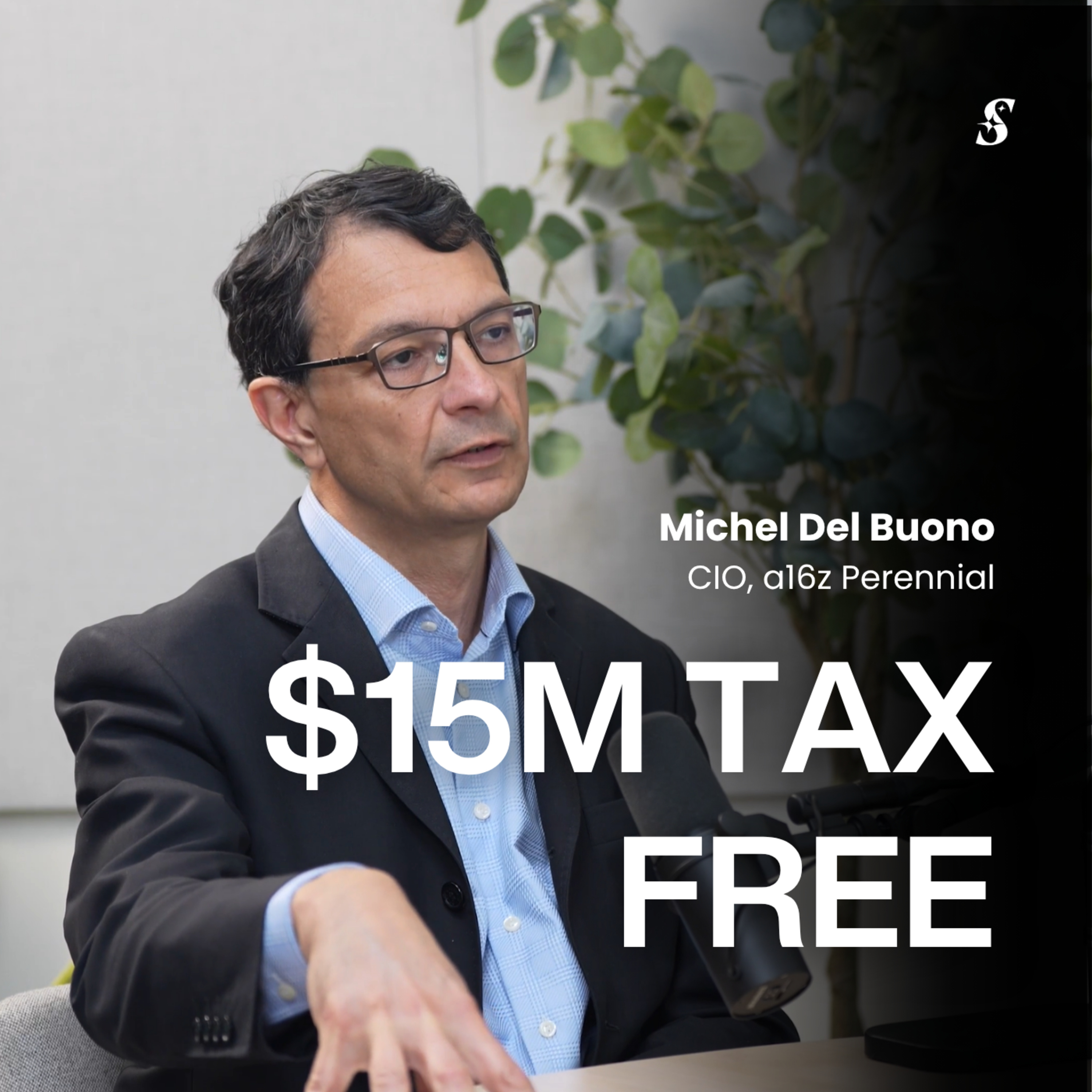
To overcome LP objections to layered fees, fund-of-funds must deliver outsized returns. This is achieved not by diversification, but through extreme concentration. By investing 90% of capital into just 10-13 high-potential "risk-on" funds, the model is structured to outperform, making the additional management fee and carry worthwhile for the end investor.

When evaluating SPV terms, the choice between high fees/low carry or low fees/high carry depends on your expected return. If you believe the underlying stock will appreciate significantly, it's more economical to accept a higher upfront fee in exchange for lower carry, as carry scales with profits.