Get your free personalized podcast brief
We scan new podcasts and send you the top 5 insights daily.
Tolan successfully monetizes a service similar to ChatGPT by adding a personalized, character-driven experience. Just as consumers pay more for aesthetic physical goods, they will pay for a digital utility that "feels" better, even if the core function is the same.

Related Insights
While competitors can replicate features, it's much harder to copy a genuine emotional bond with users. A product experience that provides a sense of empowerment and self-actualization creates an "emotional moat." This deep resonance becomes a significant competitive advantage by establishing high switching costs rooted in personal identity.

As AI makes it easy to generate 'good enough' software, a functional product is no longer a moat. The new advantage is creating an experience so delightful that users prefer it over a custom-built alternative. This makes design the primary driver of value, setting premium software apart from the infinitely generated.

The ChatGPT app's blank start screen represented wasted real estate. The "Pulse" feature transforms this into a personalized feed based on user history. This creates a highly valuable, monetizable surface for ads placed *between* prompts, avoiding the conflict of serving ads within direct AI responses.

With top AI models reaching performance parity on tasks like coding, users are choosing platforms based on subjective factors like the model's "tone" and their accumulated history with it. This creates a new kind of brand loyalty and moat that isn't purely based on technical benchmarks.
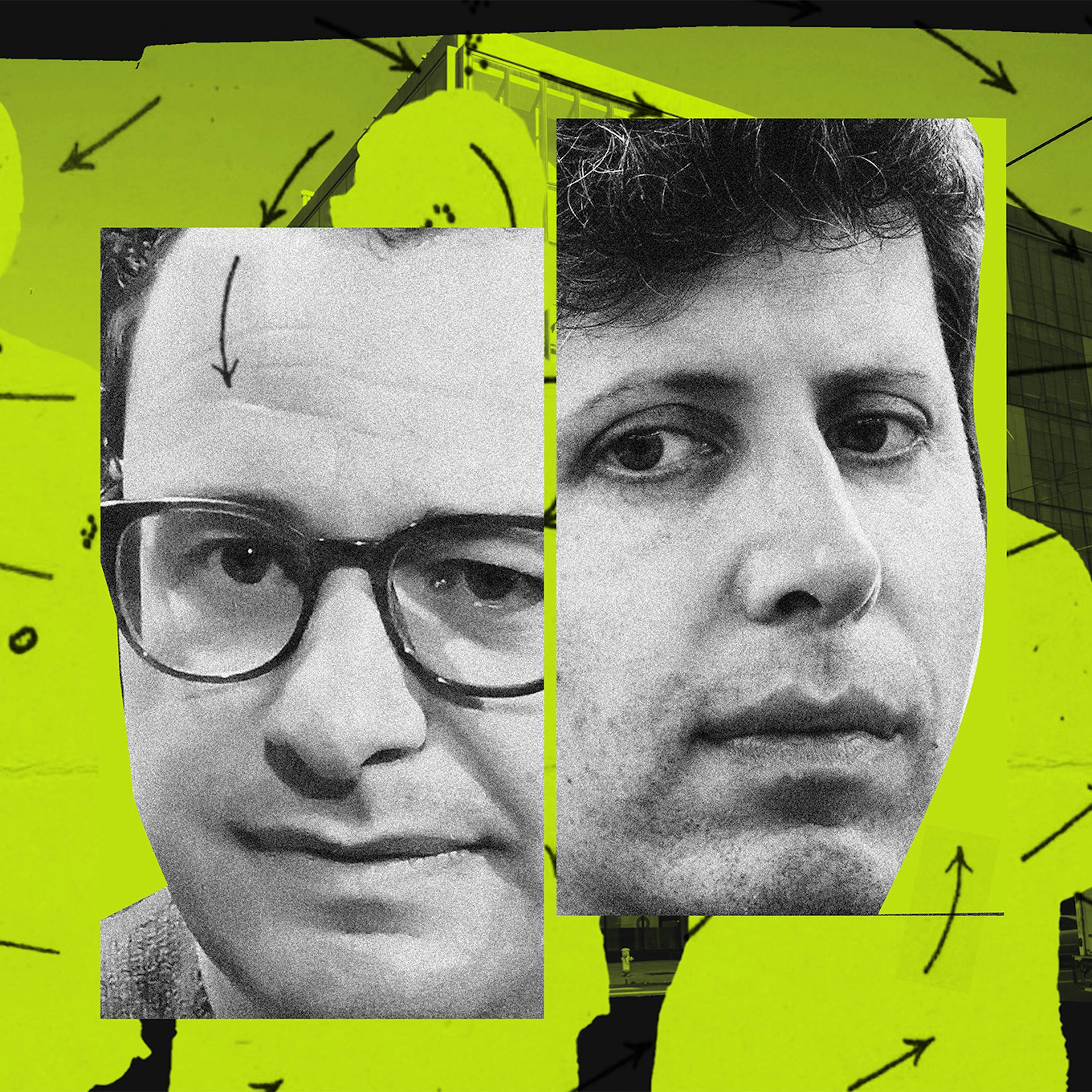
Sam Altman argues that beyond model quality, ChatGPT's stickiest advantage is personalization. He believes as the AI learns a user's context and preferences, it creates a valuable relationship that is difficult for competitors to displace. He likens this deep-seated loyalty to picking a toothpaste brand for life.

The widespread adoption of paid subscriptions for services like ChatGPT and X Premium marks a fundamental shift in consumer behavior. The long-held tech adage that consumers won't pay for software is being disproven, opening up new business models beyond advertising.

To showcase ChatGPT's value, OpenAI's first ad campaign deliberately used emotional, human-centric stories filmed on 35mm cameras. This counterintuitive approach focused on demonstrating relatable use cases and building an emotional connection, proving more effective than highlighting the technology itself.

ChatGPT's defensibility stems from its deep personalization over time. The more a user interacts with it, the better it understands them, creating a powerful flywheel. Switching to a competitor becomes emotionally difficult, akin to "ditching a friend."
Instead of just building a functional tool, the Monologue team focused on creating a beautiful, "Teenage Engineering-style" product with a unique aesthetic and custom sounds. This focus on craftsmanship and user delight serves as a key differentiator against larger, venture-backed competitors in a crowded market.

Anthropic's Claude is gaining traction not just on technical benchmarks, but because users perceive it as having a "soul" and feeling "artisan." This indicates that for consumer AI, subjective qualities like personality, craft, and a non-robotic feel are becoming critical competitive advantages over pure utility.
