Get your free personalized podcast brief
We scan new podcasts and send you the top 5 insights daily.
The US has significant copper deposits, but the primary obstacle to developing them is regulatory, not geological. The 'Build Absolutely Nothing Anywhere Near Anybody' (BANANA) principle has led to projects like Arizona's Resolution Copper mine being stuck in permitting for over 35 years.

Related Insights
Throwing money and political will at resource shortages faces a hard reality: the fastest timeline to open a new mine anywhere in the world is 16 years (26-29 in the U.S.). This demonstrates that for critical physical infrastructure, there are fundamental, long-term constraints that cannot be bypassed during a short-term crisis.

China's export ban on rare earth metals, critical for everything from iPhones to fighter jets, exposes a major US vulnerability. The solution is to treat domestic mining like vaccine development—a national security priority that requires fast-tracking the typical 30-year regulatory process for opening new mines.

The primary obstacle to US solar deployment isn't technology, but permitting. Allowing 'by-right' development—treating solar projects like cattle ranching on Bureau of Land Management (BLM) land—would dramatically accelerate deployment by removing tiresome and expensive regulatory hurdles.
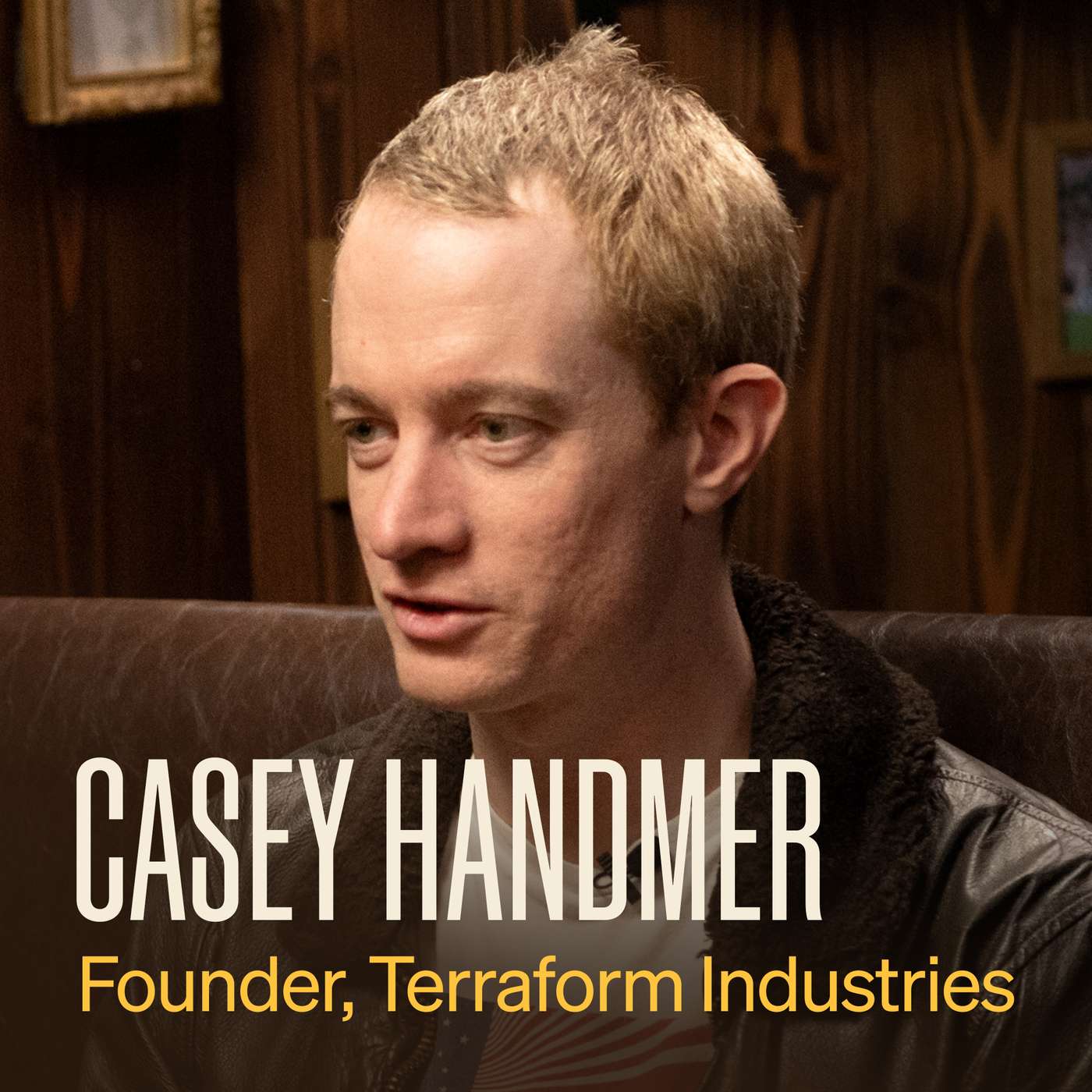
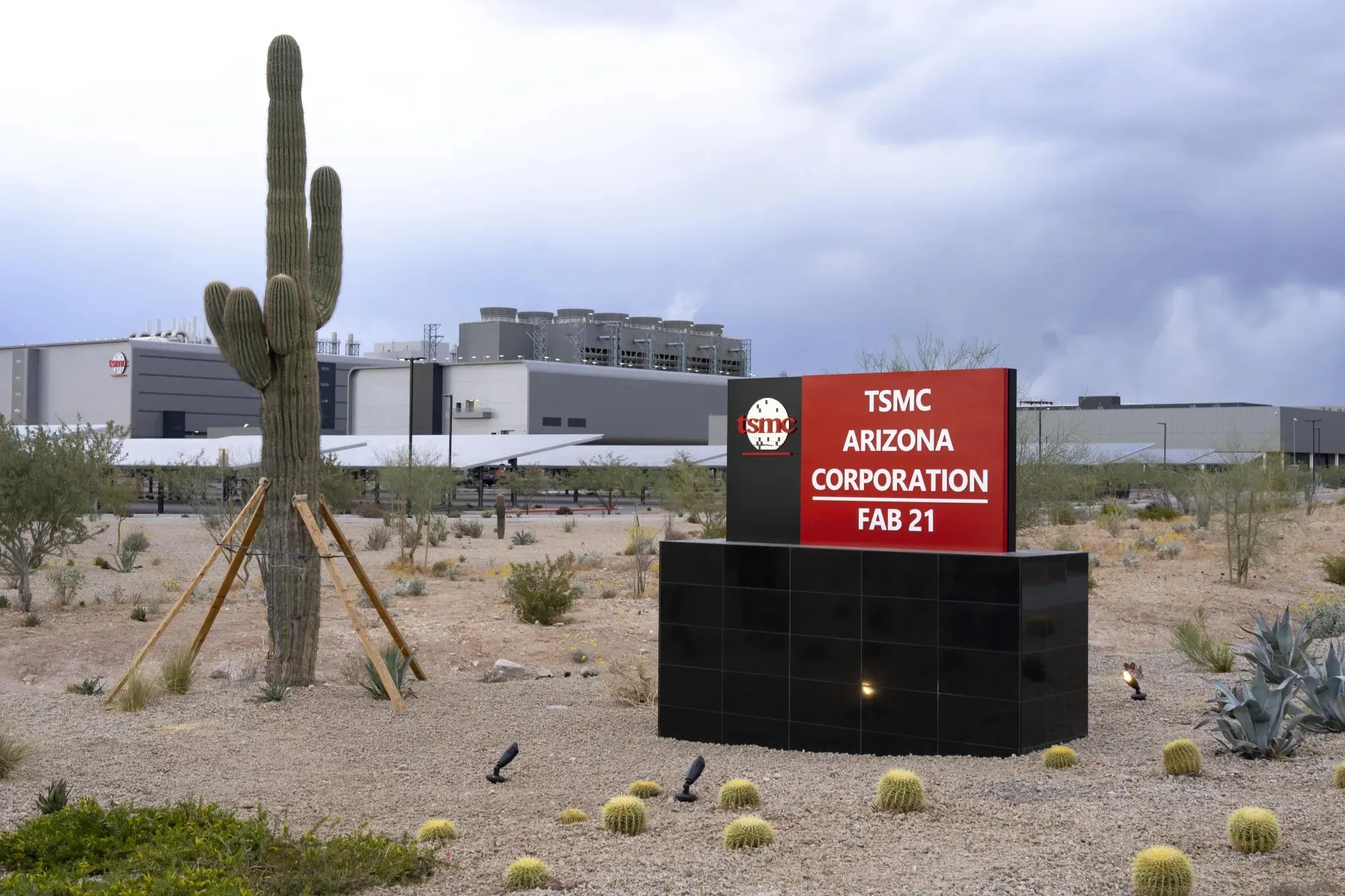
Arizona struggled to permit new fabs because the 1970s Clean Air Act, designed for high-emission industrial areas, created an 'offset' problem in the low-emission state. This highlights how outdated regulations can unintentionally hinder critical modern projects, even those with broad political support.
Unlike in oil, America has no dominant national champion in copper mining. The great American copper firms like Anaconda and Kennecott had their core assets nationalized by foreign governments, like Chile's, in the 20th century, leaving the US strategically vulnerable in the sector.
America's slow permitting process and "Not In My Backyard" (NIMBY) culture create a critical bottleneck for essential energy and tech infrastructure. Contrasted with China's rapid development, this inability to build becomes a strategic disadvantage, threatening US innovation, economic growth, and global competitiveness.
![John Arnold - China, Energy Markets and Fixing America's Systems - [Invest Like the Best, EP.461] thumbnail](https://megaphone.imgix.net/podcasts/8d466670-1755-11f1-baf2-dfb3d97a3978/image/4ec9ac82b5c7a937e9e90aa69d037805.jpg?ixlib=rails-4.3.1&max-w=3000&max-h=3000&fit=crop&auto=format,compress)
America's vulnerability in the rare earths supply chain stems from internal failures, not a lack of domestic resources. A 29-year average for mining permits, cuts to research funding, and alienating allies have created a strategic dependency that could have been avoided.

A rapid supply increase for metals is unlikely, even with government support. The West outsourced toxic downstream processing to China decades ago due to environmental concerns ('NIMBY'). Reshoring this production requires overcoming the same public hurdles with expensive new technologies, ensuring a long supply response.
While permitting is a known hurdle, the true bottleneck for US critical mineral supply is the slow pace of designing, constructing, and scaling new facilities *after* they are approved. This operational inefficiency is where innovation is most needed to catch up to global competitors.

The tech industry has the knowledge and capacity to build the data centers and power infrastructure AI requires. The primary bottleneck is regulatory red tape and the slow, difficult process of getting permits, which is a bureaucratic morass, not a technical or capital problem.