Get your free personalized podcast brief
We scan new podcasts and send you the top 5 insights daily.
The problem isn't anonymous speech, but that a few tech giants control the information landscape, making them targets for authoritarian influence. The structural solution is promoting a decentralized, federated social media ecosystem to diffuse control.

Related Insights
Unlike historical propaganda which used centralized broadcasts, today's narrative control is decentralized and subtle. It operates through billions of micro-decisions and algorithmic nudges that shape individual perceptions daily, achieving macro-level control without any overt displays of power.

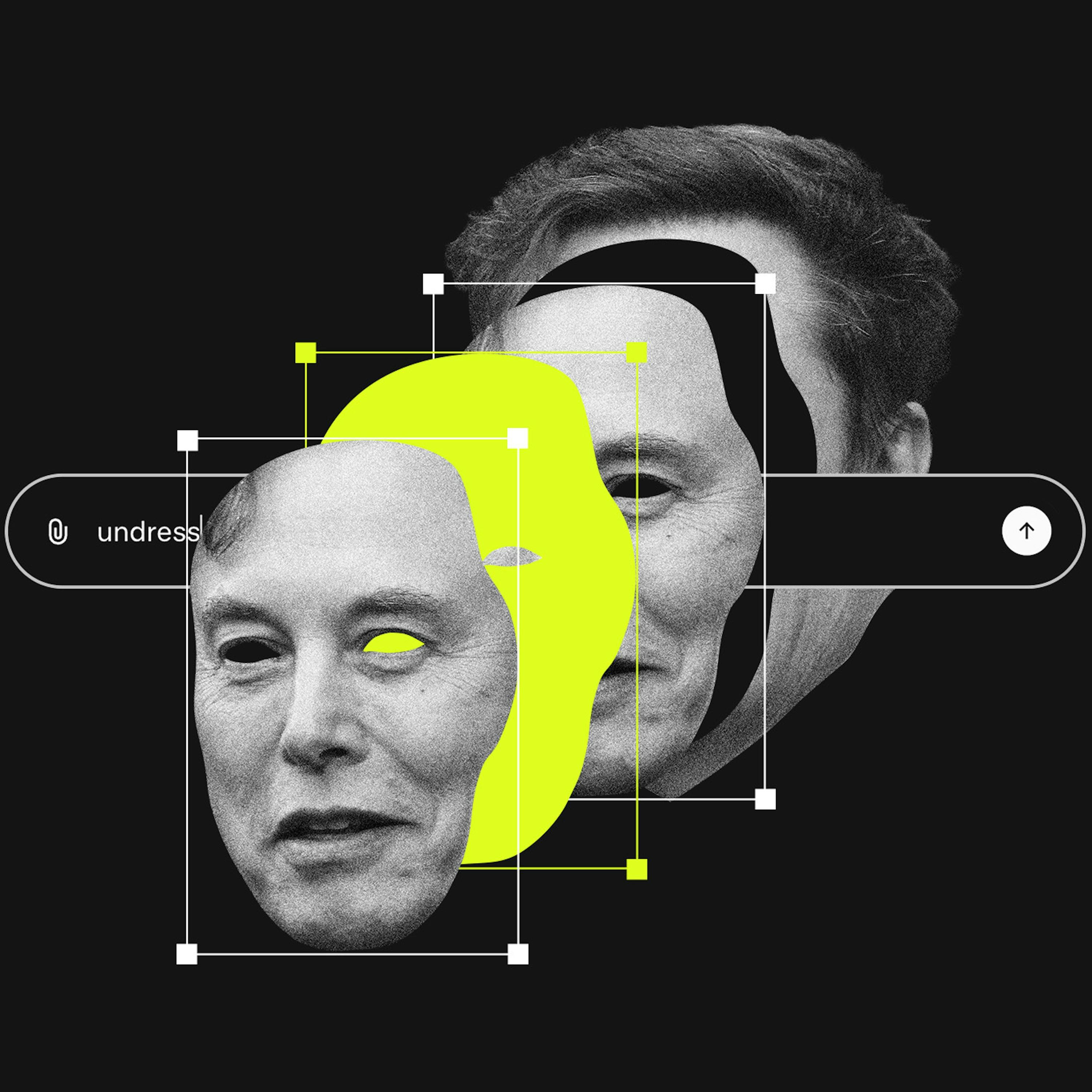
Despite different political systems, the US and Chinese internets have converged because power is highly centralized. Whether it's a government controlling platforms like Weibo or tech oligarchs like Elon Musk controlling X, the result is a small group dictating the digital public square's rules.

Efforts to control or suppress legacy media outlets like CNN are increasingly futile. When established journalists are laid off or silenced, they migrate to creator platforms like Substack, taking their audiences with them. An attack on one large entity inadvertently strengthens a more resilient, decentralized media ecosystem.

As major platforms abdicate trust and safety responsibilities, demand grows for user-centric solutions. This fuels interest in decentralized networks and "middleware" that empower communities to set their own content standards, a move away from centralized, top-down platform moderation.
Dictatorships can tolerate individual criticism but actively suppress mechanisms that create common knowledge, like public assemblies or organized online groups. They understand that power rests on preventing citizens from realizing that their grievances are shared. Once dissent becomes common knowledge, coordinated revolt is possible, which no regime can withstand.

The natural mechanics of network-based markets inherently lead to dominant players in search, social media, and browsers. This erodes the web's initial decentralized promise of "digital sovereignty" for individual users and creators.

While making powerful AI open-source creates risks from rogue actors, it is preferable to centralized control by a single entity. Widespread access acts as a deterrent based on mutually assured destruction, preventing any one group from using AI as a tool for absolute power.

The rise of peer-to-peer communication and transparency is dissolving the credibility of centralized institutions (governments, media). These institutions can no longer maintain a facade of perfection as their flaws are constantly exposed, leading to a crisis of authority in society.

To combat AI-generated misinformation, we need decentralized, cryptographic truth systems, similar to Bitcoin's ledger. This allows anyone to verify facts independently, free from corporate paywalls or government control, creating a 'ledger of record' that proves what is real rather than just asserting it.

Anonymity on social media fuels toxic behavior but is also a necessary tool against totalitarianism. The solution isn't to ban it, but for new platforms to emerge where users can choose non-anonymity, and the system rewards or privileges those verified accounts, improving the quality of discourse.
