Get your free personalized podcast brief
We scan new podcasts and send you the top 5 insights daily.
The most rewarding part of working at a startup is the clear line of sight between individual actions—like writing a test procedure or hiring an intern—and the company's progress. This direct feedback loop provides a powerful sense of purpose and job satisfaction that larger companies often lack.

Related Insights
While motivational speeches and office amenities are often cited as culture-builders, the most effective way to create a positive and engaged company culture is simply to win. Success itself is the ultimate motivator, making everyone excited to contribute and perform at their best.

Base fosters a "chop wood, carry water" culture where leaders are still individual contributors. The founding team set this tone by writing the first code and installing the first batteries themselves. This ensures a hands-on, problem-solving mindset permeates the company as it scales.

The feeling of a "win" differs by company scale. In a large enterprise, success is the visceral impact of a launch reaching millions of customers instantly. In a startup, success is more about hitting internal milestones—shipping a feature or securing funding—which are incremental but deeply rewarding.

Palantir's success stems from its "anti-playbook" culture. It maintains a flat, meritocratic structure that feels like a startup despite its size. This environment fosters original thinking and rewards those who excel outside of rigid, conventional frameworks, turning traditionally undervalued traits into strengths.
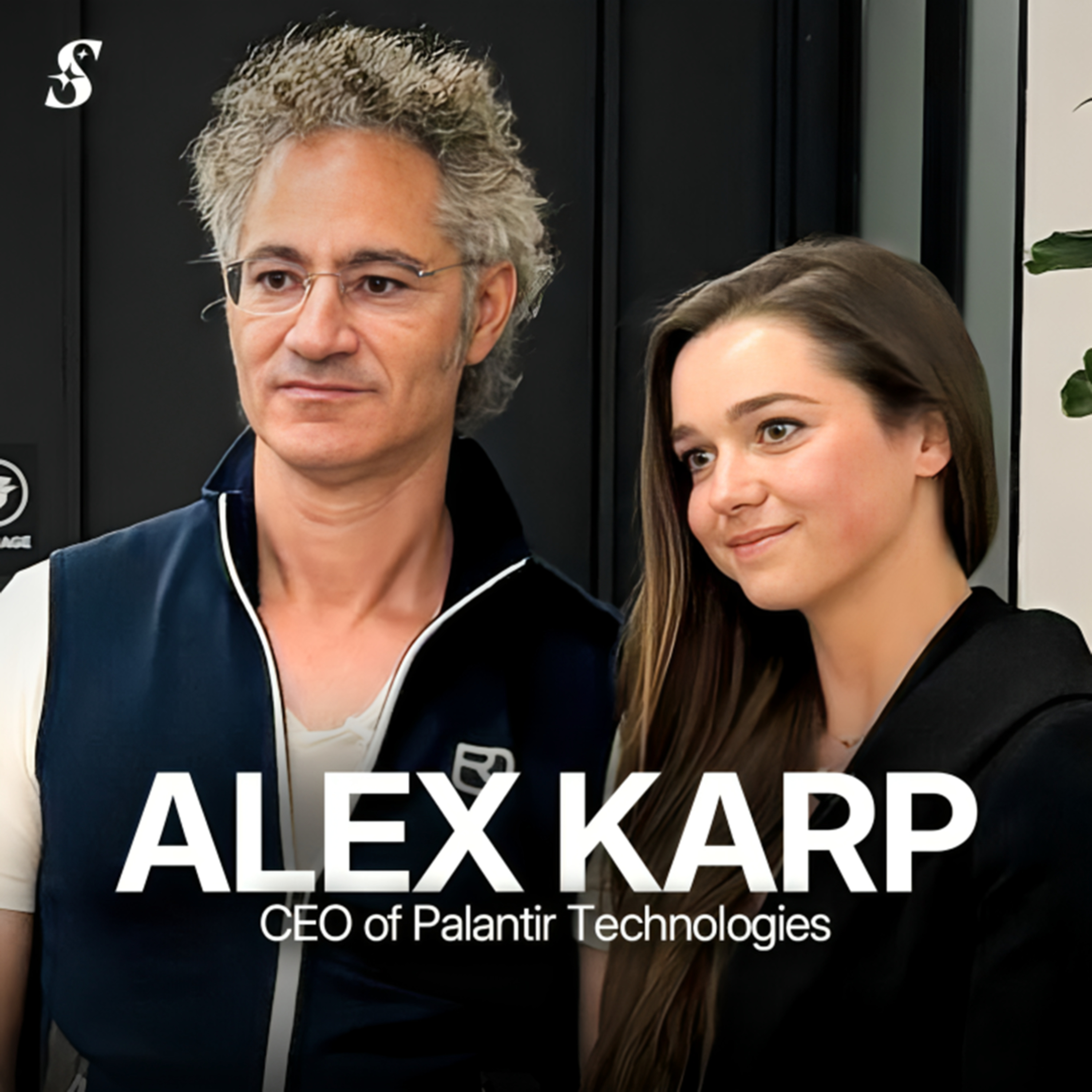
The distinction between a 'big company' and 'small company' person is irrelevant. A founder's mindset—hustling to bring new ideas to life and driving outcomes—is equally applicable and valuable in a large corporation as it is in a startup.

For founders, work isn't always "fun" in a leisurely sense but provides a feeling of being intensely "alive" with a clear purpose. This state is preferable to the "dull" feeling of lacking a mission, even though it comes with a constant "stress tax" that dampens pure enjoyment.

Starting at a small, underdog firm like DLJ in the 1970s provides opportunities for rapid learning and responsibility far earlier than deserved. This creates a positive feedback loop of confidence and accelerated skill development, pulling you up with the organization's growth.

Individual effort is like climbing a ladder, but working at a rapidly growing company puts that ladder on an escalator. The company's momentum creates opportunities and upward movement for you that are independent of your own climbing speed, drastically accelerating your career progression.

The very best engineers optimize for their most precious asset: their time. They are less motivated by competing salary offers and more by the quality of the team, the problem they're solving, and the agency to build something meaningful without becoming a "cog" in a machine.
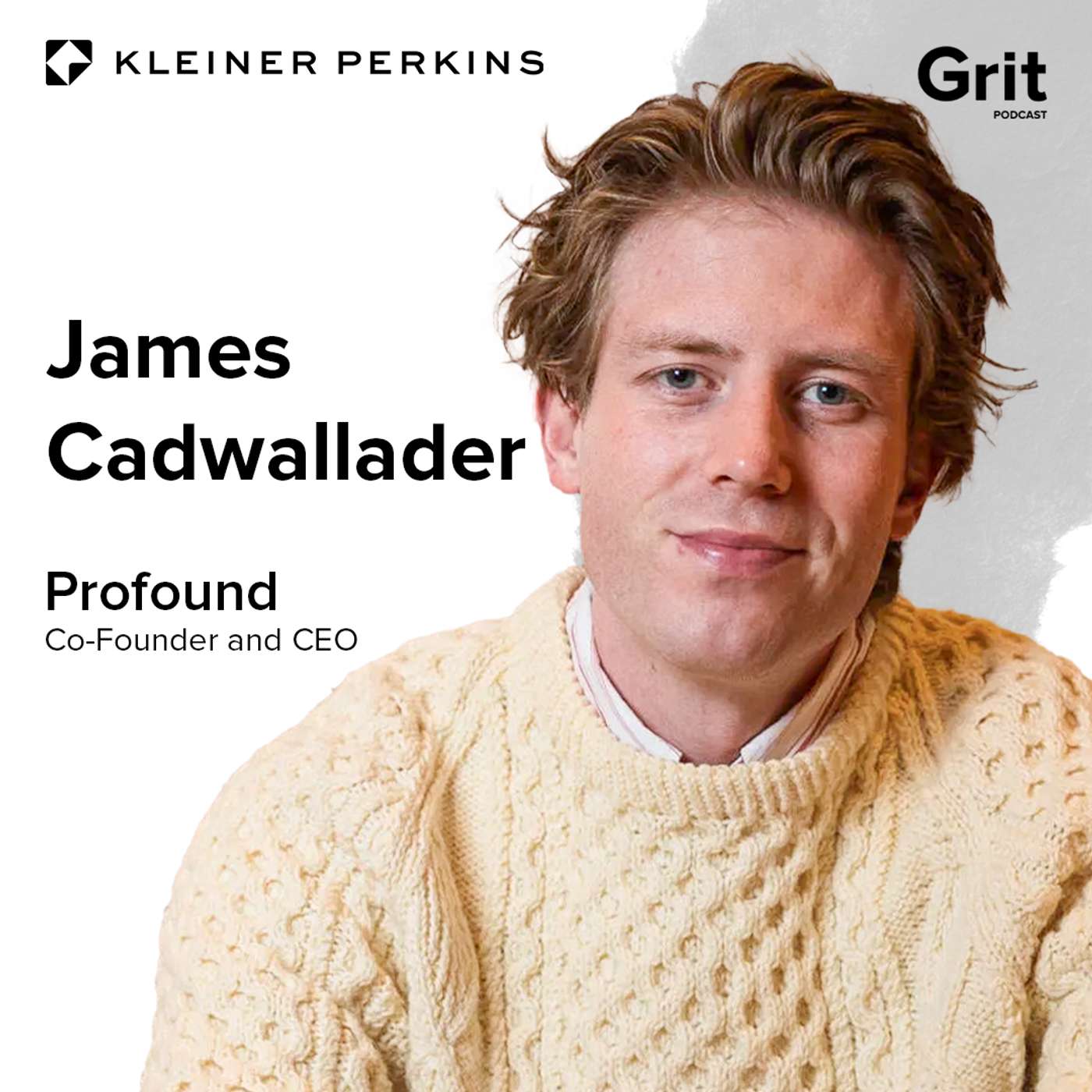
The micro-environment of a job—specifically your direct manager and the daily rhythm of work—has a greater impact on satisfaction and productivity than high-level alignment with an organization's mission. Under-rating these mundane, local factors in career decisions is a common mistake, as a poor fit can drain motivation regardless of shared goals.