Get your free personalized podcast brief
We scan new podcasts and send you the top 5 insights daily.
Simply incorporating AI features is "performative." The true measure of being an AI company is whether the technology has tangibly re-accelerated revenue growth. Without that lift, the AI label is meaningless to investors and the market, as demonstrated by Meta's successful turnaround.

Related Insights
Previously, rising AI CapEx was a universal positive signal for tech stocks. Now, investors are differentiating sharply, punishing companies that can't demonstrate a clear path from their massive AI investments to tangible revenue and earnings growth, creating significant performance dispersion among AI leaders.

Focusing on AI for cost savings yields incremental gains. The transformative value comes from rethinking entire workflows to drive top-line growth. This is achieved by either delivering a service much faster or by expanding a high-touch service to a vastly larger audience ("do more").

While 2023 was a grace period for AI adoption, the tools matured significantly in 2024. Companies that failed to leverage agentic AI products to re-accelerate growth are considered to have fundamentally underperformed, as the opportunity was clear and present.
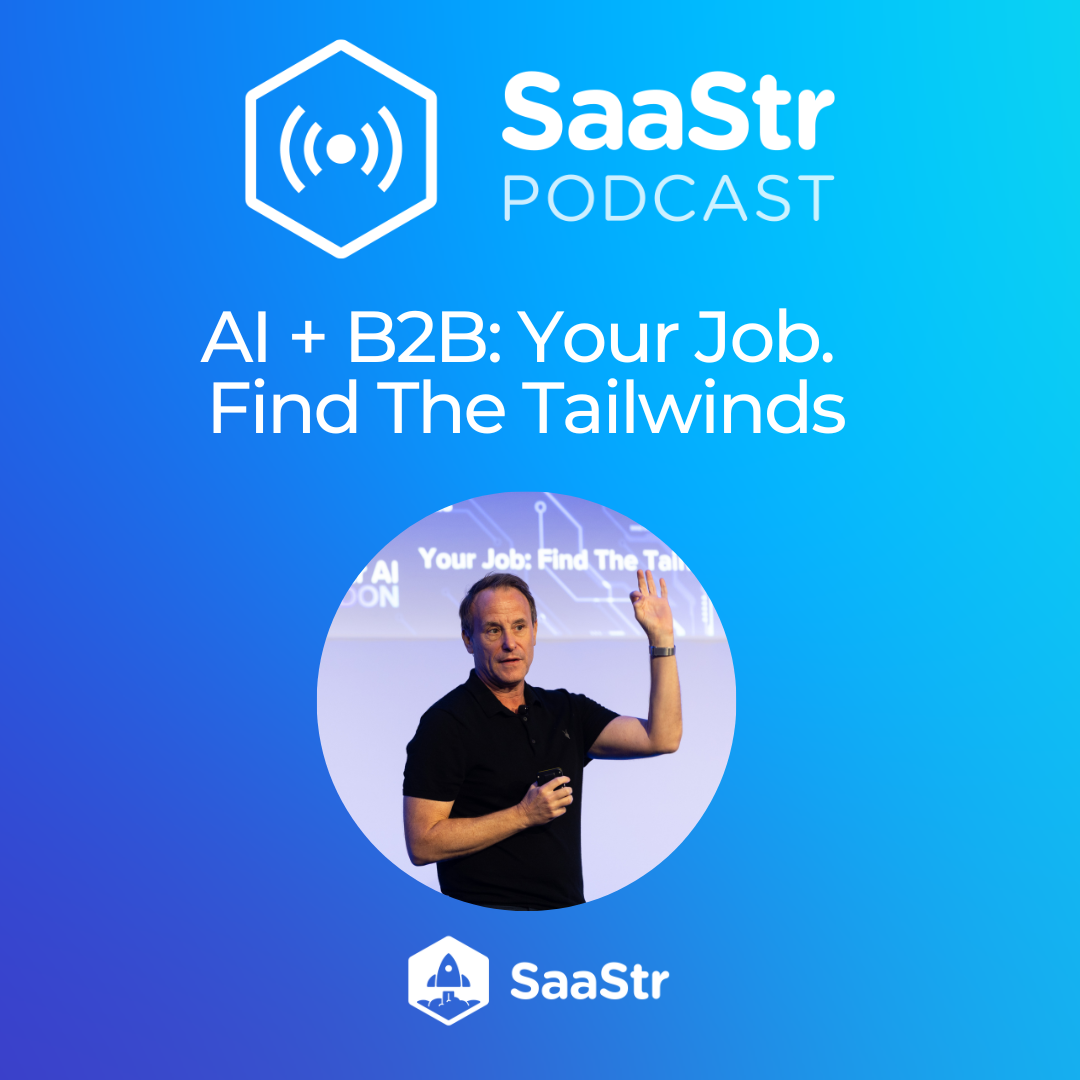
Meta's stock soared because it demonstrated how AI investments are already improving ad revenue. In contrast, Microsoft hasn't yet proven that its AI integrations are driving significant new revenue from core products like Office. The market is rewarding immediate, measurable AI impact over long-term platform plays.

For established software companies, simply integrating AI is not enough. Investors are looking for a clear signal that AI is a true growth catalyst, not just a feature enhancement. The key question investors ask is whether AI will re-accelerate the company's growth. Without tangible proof in sales numbers, investor sentiment will remain neutral or bearish.

The massive $700B capital injection into AI demands a return. The next few years will shift focus from hype to demonstrable results. Companies that can't show a quick, real, and efficient ROI will face a reckoning, even if they have grand aspirations.

While the market awaits new AI-native products from Meta, its real AI success is in its core business. A 9% CPM increase in a weak economy indicates its ad-serving algorithm's effectiveness improved by double digits in a single quarter, a massive financial win.
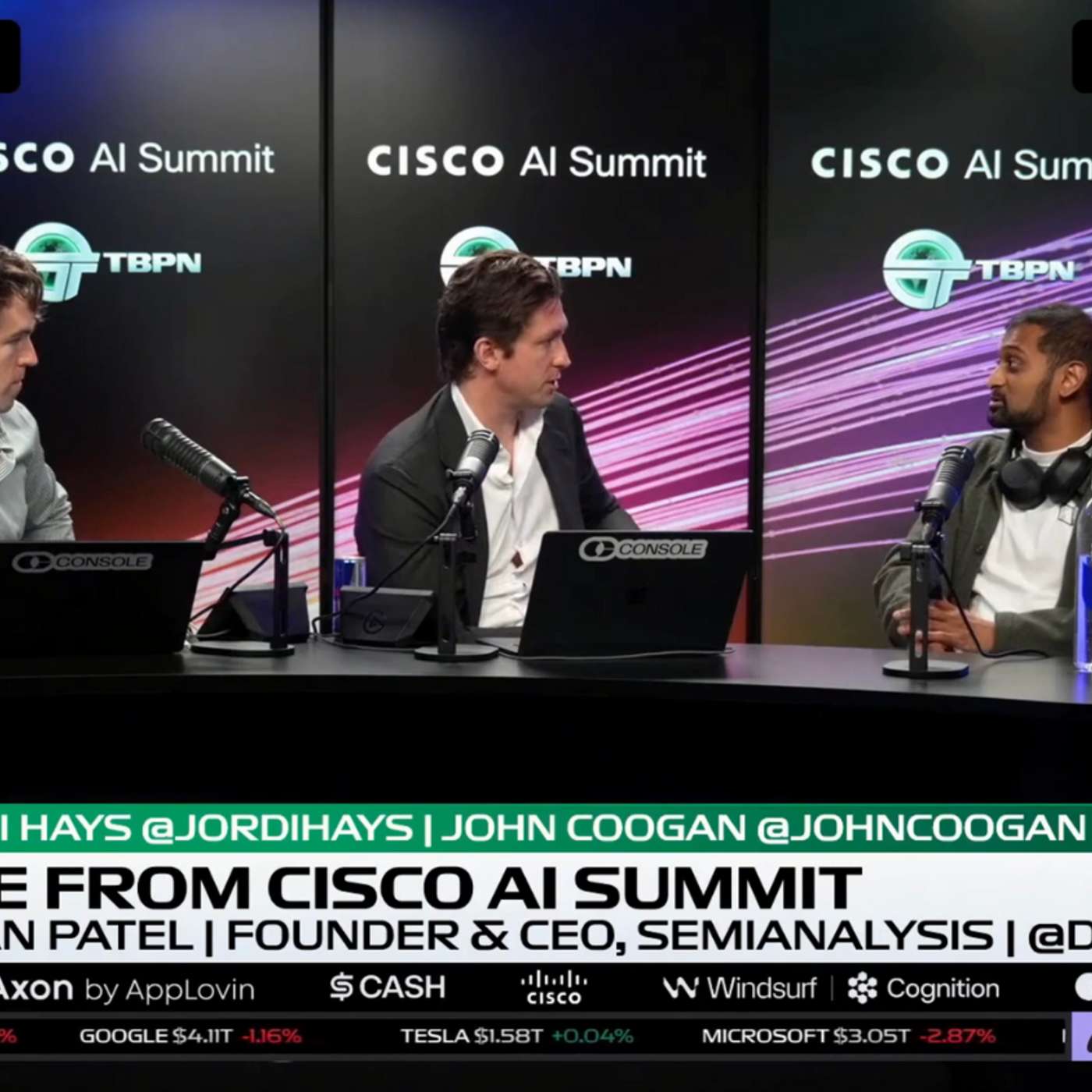
According to SaaStr founder Jason Lemkin, the ultimate metric for judging whether an incumbent company has successfully integrated AI is not feature releases but growth re-acceleration. If revenue growth isn't picking up speed, the AI initiatives are merely performative. He points to Meta as a prime example of a company whose AI efforts are validated by this metric.

Seemingly small, quarterly AI improvements to Meta's ad platform (e.g., a 5% conversion bump) have a compounding effect. Performance marketers reinvest these gains back into the platform, creating a flywheel that reaccelerates revenue growth, explaining the stock's recent surge despite a mature business.
The power of Meta's AI-driven ad improvements lies in their compounding effect. Small quarterly boosts in ROAS (return on ad spend) are not one-off wins; performance marketers immediately reinvest these returns, creating an accelerating growth flywheel that fuels Meta's re-accelerated revenue growth.