Get your free personalized podcast brief
We scan new podcasts and send you the top 5 insights daily.
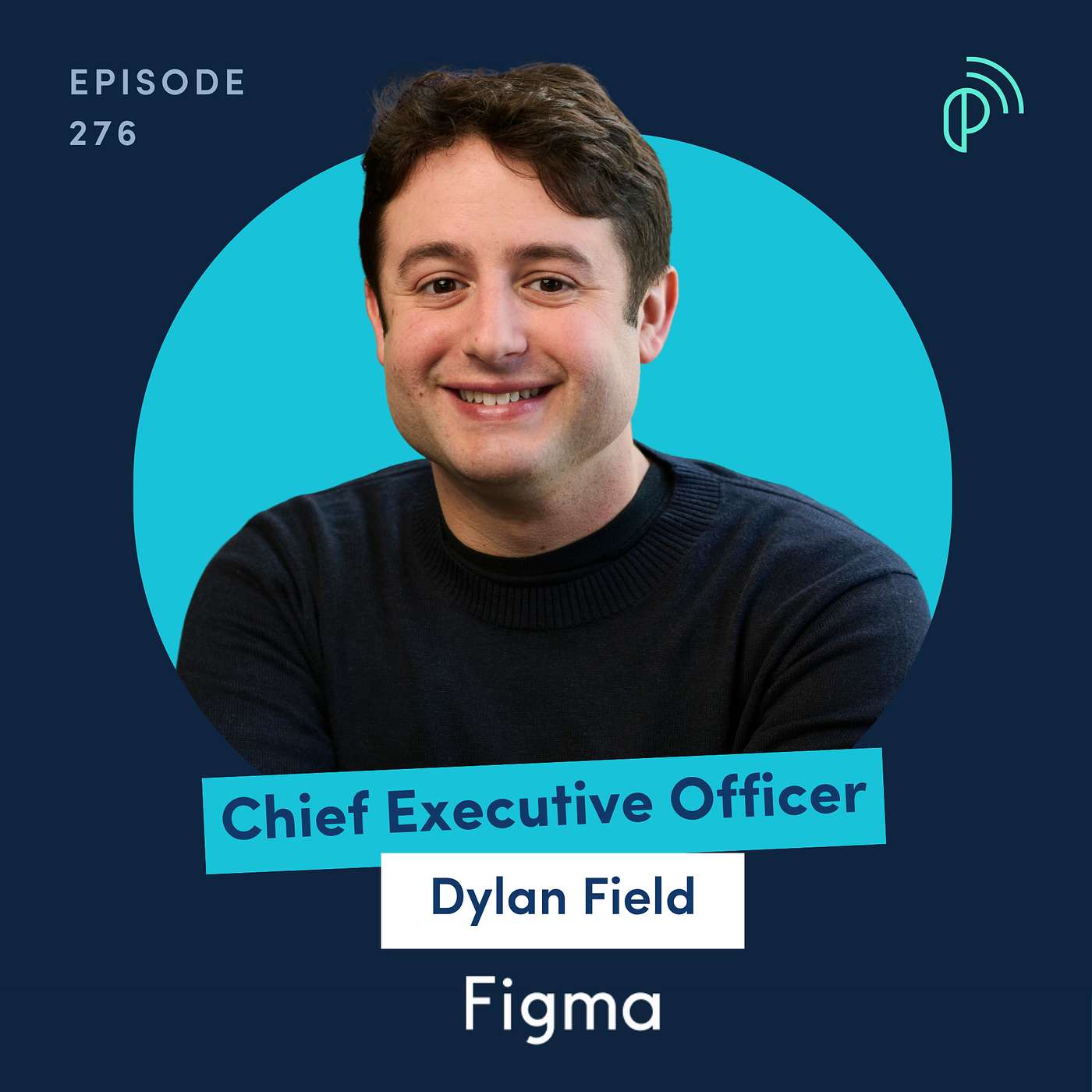
Dylan Field finds that pushing AI models to their limits and getting them to say weird things helps him learn how to structure professional prompts more effectively. This playful exploration builds intuition for controlling model behavior in a work context.
Related Insights
With models like Gemini 3, the key skill is shifting from crafting hyper-specific, constrained prompts to making ambitious, multi-faceted requests. Users trained on older models tend to pare down their asks, but the latest AIs are 'pent up with creative capability' and yield better results from bigger challenges.

To get teams comfortable with AI, start with playful, interactive exercises that have no business goal, like styling an app to look like MySpace. This low-stakes experimentation makes the technology less intimidating, fosters creative thinking, and helps participants discover novel applications they can later bring to their actual work.

Figma CEO Dylan Field predicts we will look back at current text prompting for AI as a primitive, command-line interface, similar to MS-DOS. The next major opportunity is to create intuitive, use-case-specific interfaces—like a compass for AI's latent space—that allow for more precise control beyond text.
Current text-based prompting for AI is a primitive, temporary phase, similar to MS-DOS. The future lies in more intuitive, constrained, and creative interfaces that allow for richer, more visual exploration of a model's latent space, moving beyond just natural language.

The ability to effectively communicate with AI models through prompting is becoming a core competency for all roles. Excelling at prompt engineering is a key differentiator, enabling individuals to enhance their creativity, collaboration, and overall effectiveness, regardless of their technical background.

Many AI tools expose the model's reasoning before generating an answer. Reading this internal monologue is a powerful debugging technique. It reveals how the AI is interpreting your instructions, allowing you to quickly identify misunderstandings and improve the clarity of your prompts for better results.
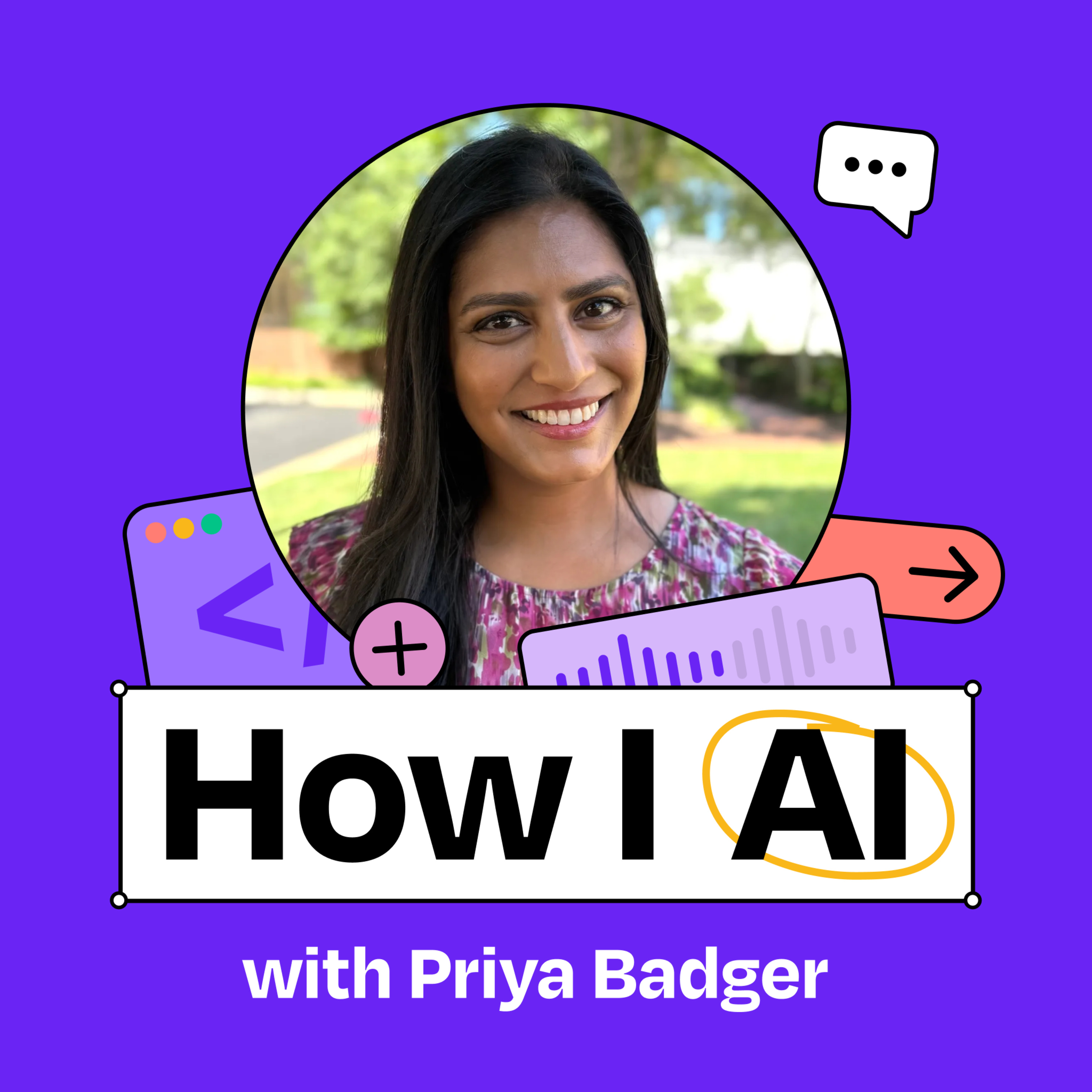
The most effective jailbreaking is not just a technical exercise but an intuitive art form. Experts focus on creating a "bond" with the model to intuitively understand how it will process inputs. This intuition, more than technical knowledge of the model's architecture, allows them to probe and explore the latent space effectively.
To fully leverage advanced AI models, you must increase the ambition of your prompts. Their capabilities often surpass initial assumptions, so asking for more complex, multi-layered outputs is crucial to unlocking their true potential and avoiding underwhelming results.

Asking an AI to 'predict' or 'evaluate' for a large sample size (e.g., 100,000 users) fundamentally changes its function. The AI automatically switches from generating generic creative options to providing a statistical simulation. This forces it to go deeper in its research and thinking, yielding more accurate and effective outputs.

Figma's CEO likens current text prompts to MS-DOS: functional but primitive. He sees a massive opportunity in designing intuitive, use-case-specific interfaces that move beyond language to help users 'steer the spaceship' of complex AI models more effectively.