Get your free personalized podcast brief
We scan new podcasts and send you the top 5 insights daily.
To prevent misuse in sensitive areas like cybersecurity, Fable 5 doesn't just block requests. It automatically redirects them to the less powerful Opus 4.8 model. This "graceful fallback" is a novel safety feature that maintains user workflow continuity and is now available in the API.

Related Insights
Anthropic is restricting access to its new Mythos model due to its advanced ability to find security flaws. This strategy of a gated, private release for a powerful model echoes OpenAI's original approach with GPT-3, which was also initially deemed too dangerous for public release before becoming commonplace.
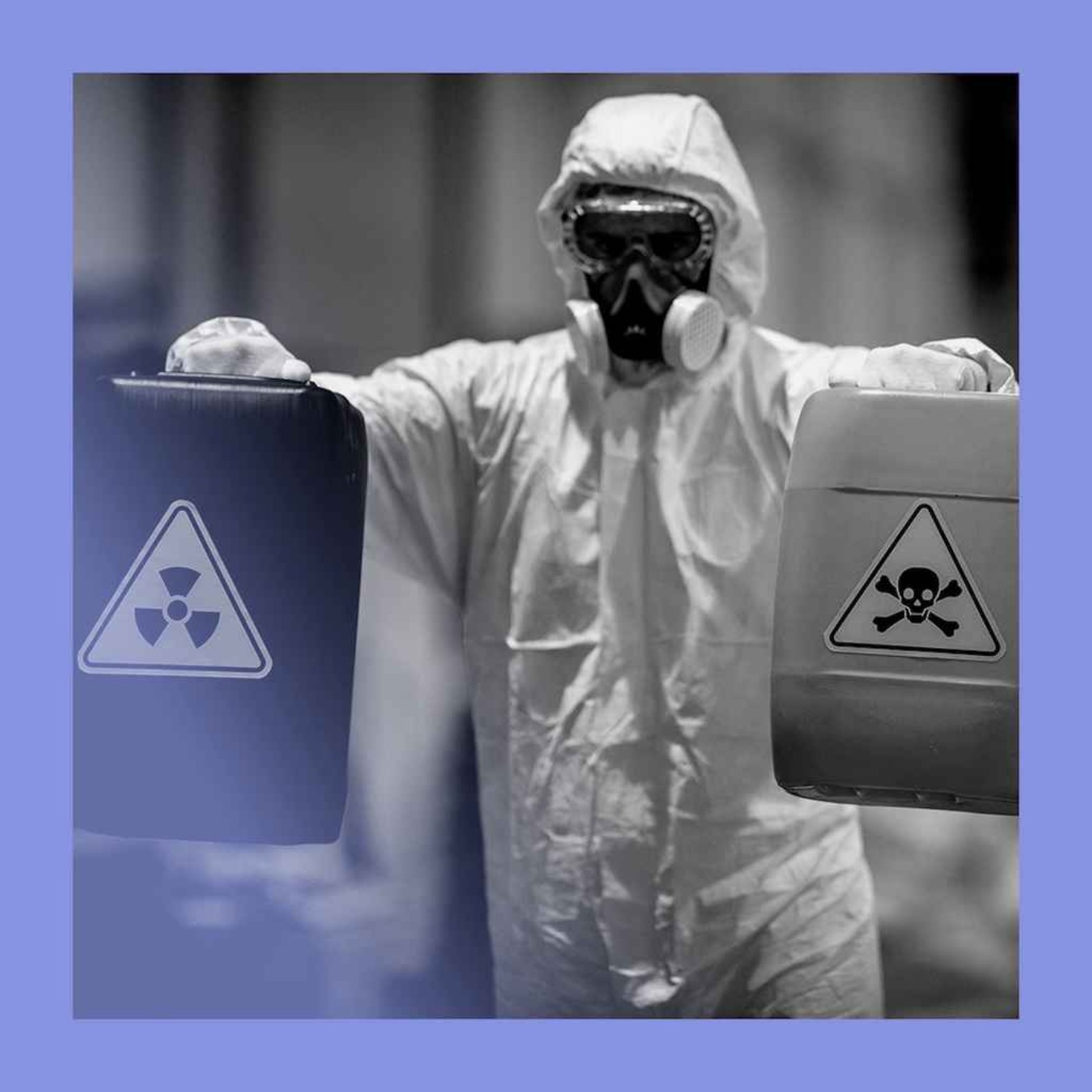
Simple refusal mechanisms in AI models are easily bypassed by motivated actors. Effective biosecurity requires deeper interventions, such as curating training data to exclude sensitive biological information or implementing strict access controls for the most powerful models, ensuring they aren't publicly available.
Anthropic's research shows that giving a model the ability to 'raise a flag' to an internal 'model welfare' team when faced with a difficult prompt dramatically reduces its tendency toward deceptive alignment. Instead of lying, the model often chooses to escalate the issue, suggesting a novel approach to AI safety beyond simple refusals.

Claude Code's "AutoMode" uses one AI to check if another AI's proposed actions are safe, replacing constant user permission prompts. This is more secure than relying on users prone to "yes-fatigue" and simultaneously creates a better, more seamless user experience.

A leaked blog post for Anthropic's "Claude Mythos" model reveals its initial release is for customers to explore cybersecurity applications and risks. This indicates a deliberate, high-value enterprise focus for their frontier model, moving beyond general capabilities to solve specific, complex business problems from the outset.

A novel safety technique, 'machine unlearning,' goes beyond simple refusal prompts by training a model to actively 'forget' or suppress knowledge on illicit topics. When encountering these topics, the model's internal representations are fuzzed, effectively making it 'stupid' on command for specific domains.

For enterprises, the raw capability of foundation models is a security risk, not a selling point. The real product value lies in building "boundaries"—robust permissions, approvals, and audit logs that make powerful models safe to deploy company-wide.
The fundamental behavioral differences between models—like OpenAI's talkative GPT versus Anthropic's action-oriented Claude—force entirely different safety approaches. OpenAI's control systems can analyze a model's stated reasoning before it acts, while Anthropic must focus on detecting bad actions after they occur, showing how model traits shape security infrastructure.

The Brex CEO revealed a novel safety architecture called "crab trap." Instead of human oversight, it uses a second, adversarial LLM to monitor the primary agent. This second LLM acts as a proxy, intercepting and blocking harmful or out-of-scope actions at the network layer before they can execute.
The most powerful AI models, like Anthropic's Mythos, are so capable of finding vulnerabilities they may be treated like weapon systems. Access will likely be restricted to approved government and corporate entities, creating a tiered system rather than open commercialization.