Get your free personalized podcast brief
We scan new podcasts and send you the top 5 insights daily.
For professional design and marketing workflows, a static, unchangeable image is insufficient. The true value for these users lies in generating outputs with discrete, editable elements like text layers and layout components. This accommodates the iterative nature of professional creative work.
Related Insights
Unlike many AI tools that produce a final, unchangeable output, Canva's AI generates a standard, multi-layered file. This lets users treat the AI's output as a first draft that they can refine using familiar drag-and-drop tools, bridging the gap between generation and creation.
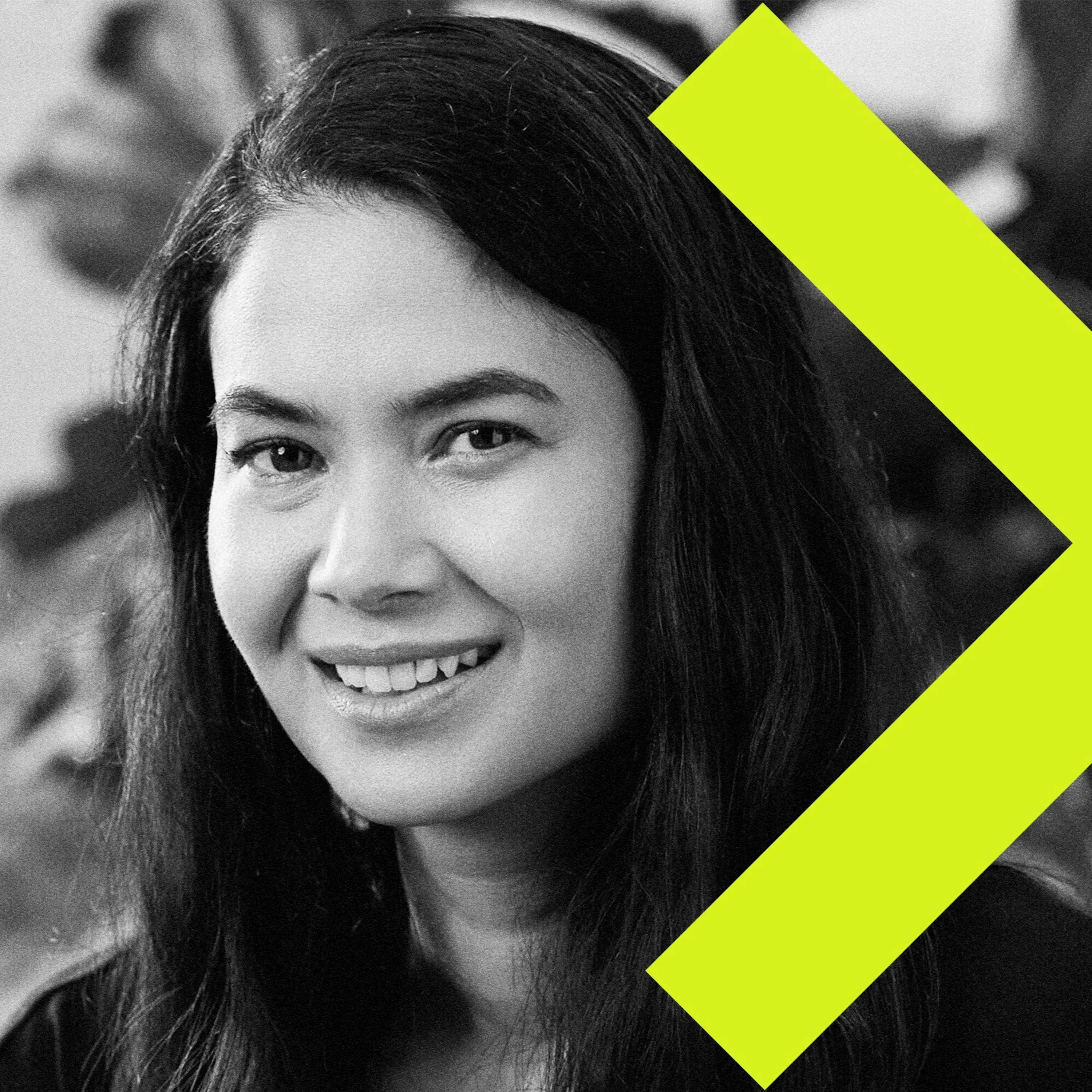
Canva's CEO views "one-shot generation" as the first, limited phase of AI. The next frontier, or "AI 2.0," involves iterative and agentic orchestration where the AI acts as a creative partner, helping to refine a design through a series of adjustments rather than just creating a single final output.
The handoff between AI generation and manual refinement is a major friction point. Tools like Subframe solve this by allowing users to seamlessly switch between an 'Ask AI' mode for generative tasks and a 'Design' mode for manual, Figma-like adjustments on the same canvas.

AI models are revolutionizing the initial creation of assets, much like smartphones did for capturing photos. However, the need for professional post-production tools like Adobe persists for editing, refining, and achieving high-fidelity control. AI becomes the first step in the creative workflow, not the entire process.

Early AI tools forced a frustrating 'regenerate' loop. Modern UX patterns succeed by making AI output interactive and editable within the same workflow. This shifts the user's expectation from a perfect final answer to a workable starting point, fostering a more collaborative process.
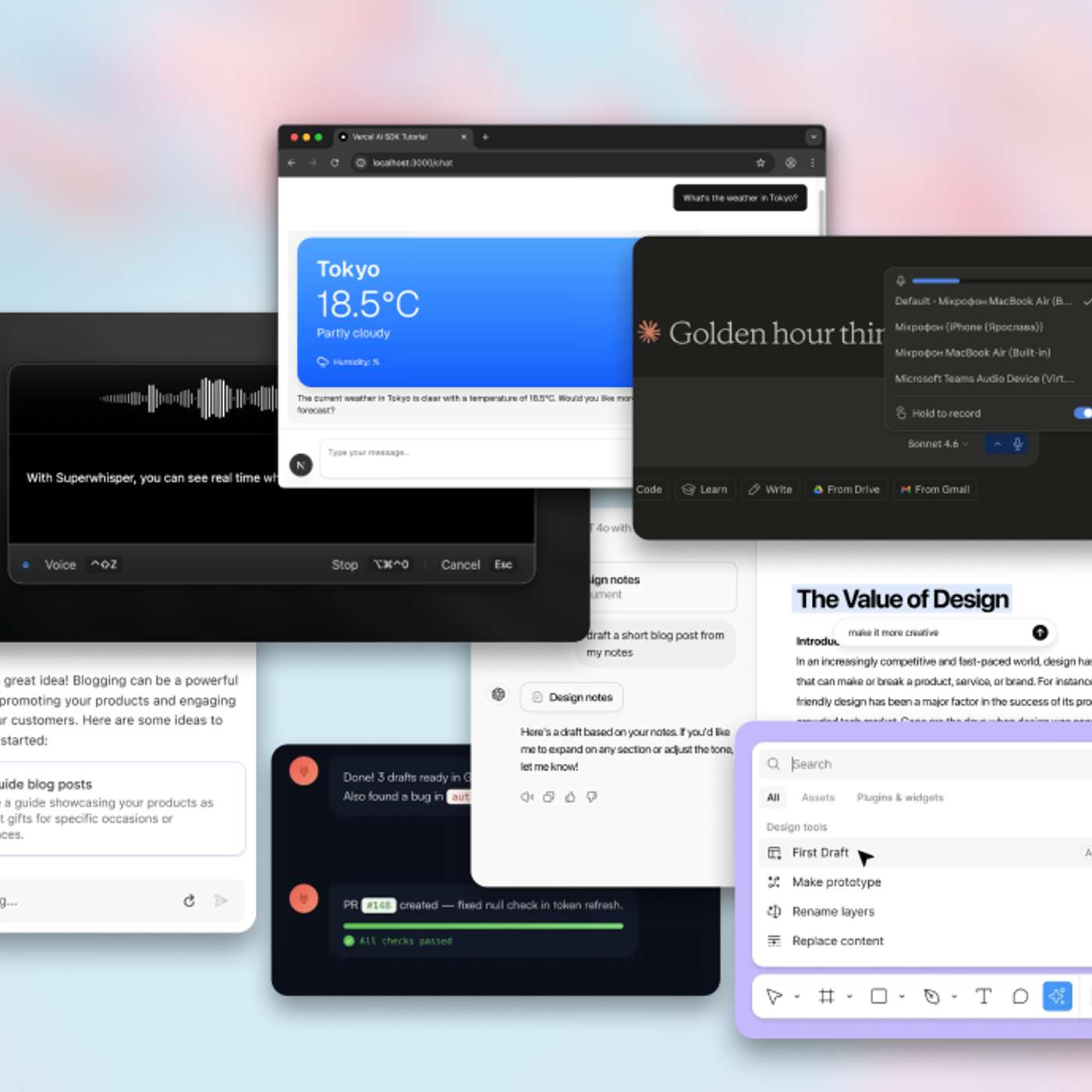
Canva views its AI as the third evolution of design interfaces. The first was pixel-based (e.g., Photoshop), the second was object-based (classic Canva), and the new era is concept-based, where users describe an idea and the AI generates an editable first draft.
An AI director's top request for AI labs is not more powerful models but more intuitive, human-centric user interfaces. The industry needs to move beyond simple text prompts and SaaSy dashboards to tools that offer artists fine-grained creative control and a more natural workflow.

While AI tools excel at generating initial drafts of code or designs, their editing capabilities are poor. The difficulty of making specific changes often forces creators to discard the AI output and start over, as editing is where the "magic" breaks down.

Don't accept the false choice between AI generation and professional editing tools. The best workflows integrate both, allowing for high-level generation and fine-grained manual adjustments without giving up critical creative control.
As AI enables anyone to generate software and designs, the value of a designer shifts. Instead of being the sole creator, their role becomes more about editing, curating, and directing the output, ensuring the final product is well-crafted and solves the right problem.