Get your free personalized podcast brief
We scan new podcasts and send you the top 5 insights daily.
An AI director's top request for AI labs is not more powerful models but more intuitive, human-centric user interfaces. The industry needs to move beyond simple text prompts and SaaSy dashboards to tools that offer artists fine-grained creative control and a more natural workflow.

Related Insights
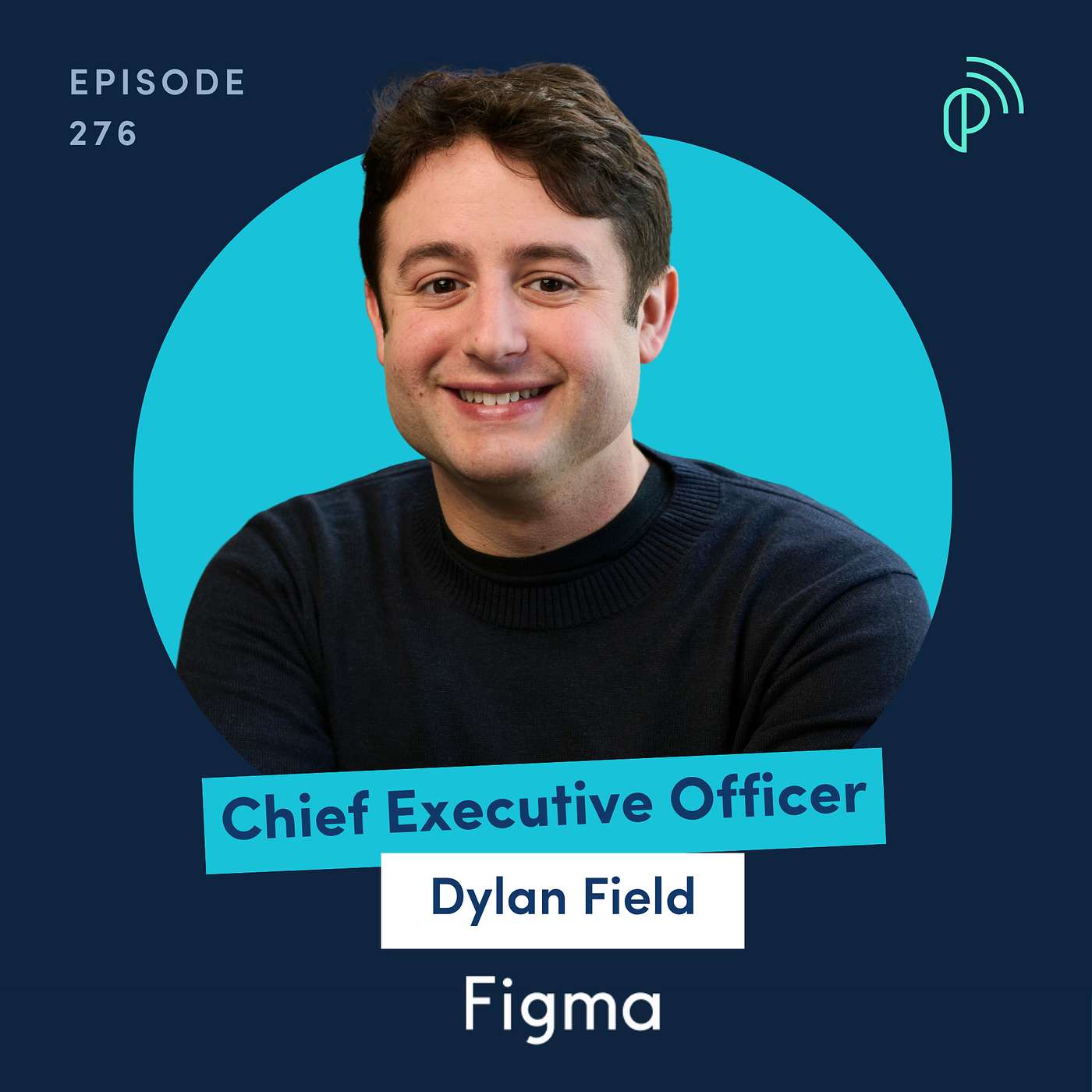
Figma CEO Dylan Field predicts we will look back at current text prompting for AI as a primitive, command-line interface, similar to MS-DOS. The next major opportunity is to create intuitive, use-case-specific interfaces—like a compass for AI's latent space—that allow for more precise control beyond text.
As models become more powerful, the primary challenge shifts from improving capabilities to creating better ways for humans to specify what they want. Natural language is too ambiguous and code too rigid, creating a need for a new abstraction layer for intent.

Current text-based prompting for AI is a primitive, temporary phase, similar to MS-DOS. The future lies in more intuitive, constrained, and creative interfaces that allow for richer, more visual exploration of a model's latent space, moving beyond just natural language.

AI models are already incredibly powerful, but their creative potential is limited by simple text prompts. The next breakthrough will be the development of sophisticated user interfaces that allow creators to edit scenes, control characters, and direct AI with precision, unlocking widespread adoption.

Anthropic's Cowork isn't a technological leap over Claude Code; it's a UI and marketing shift. This demonstrates that the primary barrier to mass AI adoption isn't model power, but productization. An intuitive UI is critical to unlock powerful tools for the 99% of users who won't use a command line.

While chatbots are an effective entry point, they are limiting for complex creative tasks. The next wave of AI products will feature specialized user interfaces that combine fine-grained, gesture-based controls for professionals with hands-off automation for simpler tasks.
The hypothesis suggests artists reject generative AI because text-prompt interfaces feel alien compared to traditional tools. If AI tools had interfaces resembling familiar software like Photoshop or NVIDIA Canvas, the critique would likely be framed as purism rather than a fundamental rejection of users as 'non-artists'.

AI is best understood not as a single tool, but as a flexible underlying interface. It can manifest as a chat box for some, but its real potential is in creating tailored workflows that feel native to different roles, like designers or developers, without forcing everyone into a single interaction model.
Widespread adoption of AI for complex tasks like "vibe coding" is limited not just by model intelligence, but by the user interface. Current paradigms like IDE plugins and chat windows are insufficient. Anthropic's team believes a new interface is needed to unlock the full potential of models like Sonnet 4.5 for production-level app building.

Figma's CEO likens current text prompts to MS-DOS: functional but primitive. He sees a massive opportunity in designing intuitive, use-case-specific interfaces that move beyond language to help users 'steer the spaceship' of complex AI models more effectively.