Get your free personalized podcast brief
We scan new podcasts and send you the top 5 insights daily.
To report on complex, lengthy Supreme Court decisions almost instantly, journalists spend months preparing. They pre-write extensive background material that applies regardless of the outcome. When a decision drops, they add the result and key quotes to publish an initial story in minutes.
Related Insights
NYT's Jodi Cantor explains her focus isn't leaking decisions that will eventually be public. Instead, she uses her limited time and capital to move information from the "secret side of the ledger" to the public side—facts and context that would otherwise remain hidden forever.

The rapid, easy consumption of news hides the costly, time-intensive labor of reporting. Publishers must reveal this "behind-the-scenes" effort to re-educate readers on why quality journalism is a premium product, justifying the cost and combating the perception that it should be free.

AI models reason well on Supreme Court cases by interpolating the vast public analysis written about them. For more obscure cases lacking this corpus of secondary commentary, the models' reasoning ability falls off dramatically, even if the primary case data is available.
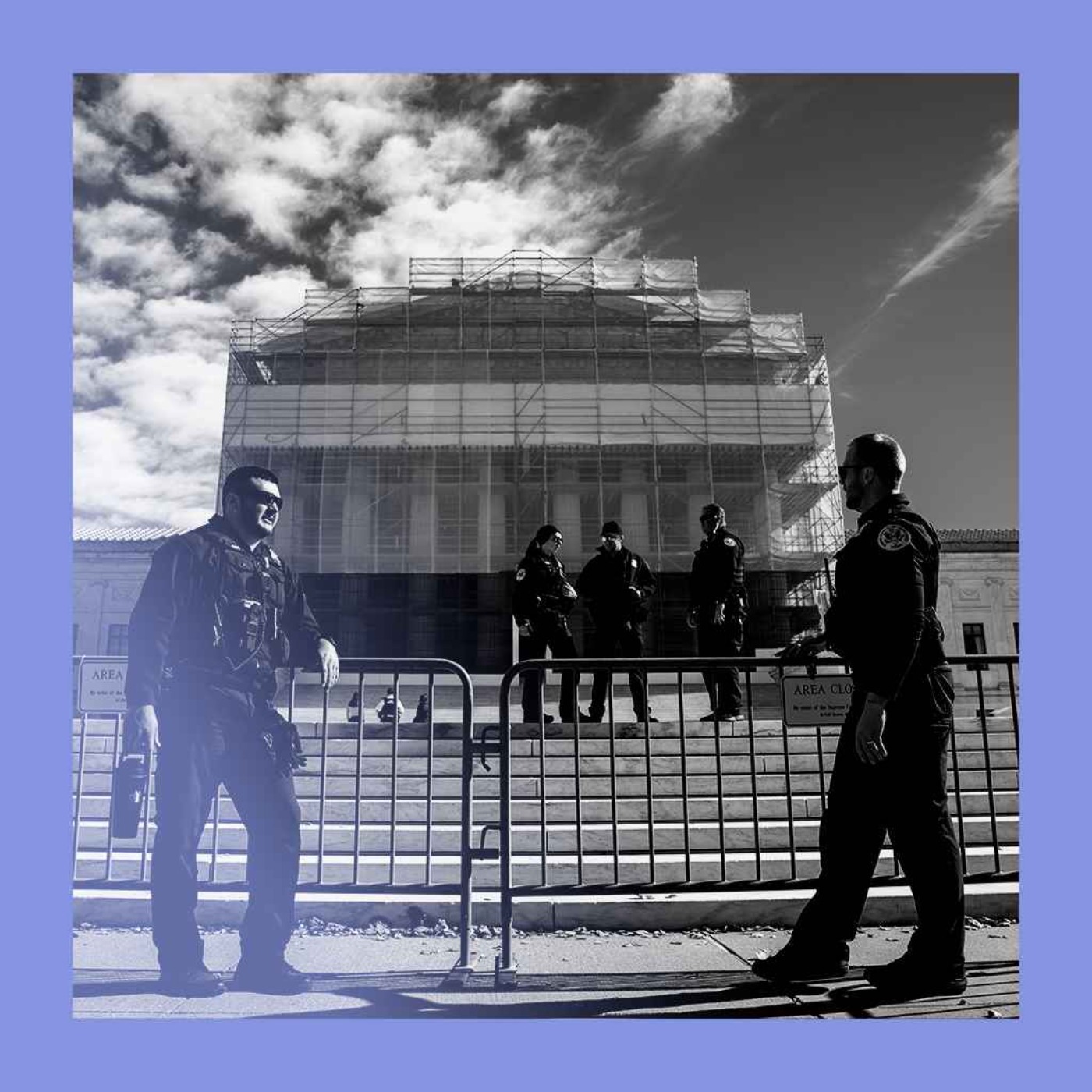
Each Supreme Court justice employs four elite, recent law school graduates as clerks. These young, unelected individuals hold immense responsibility, making preliminary judgments on which cases the court should hear and writing the first drafts of opinions that shape American law—a reality not contemplated by the Constitution.
Establish a formal weekly meeting to vet all incoming content ideas from a shared repository. Critically, categorize ideas as either time-sensitive (e.g., a Super Bowl reaction) or evergreen. This ensures you capitalize on timely events while building a bank of content that can be written ahead of schedule.

The Economist's AI tool, SCOTUSBOT, successfully predicted the outcome of a major Supreme Court tariff case. It initially favored Trump but reversed its forecast after analyzing case briefs, becoming even more confident after processing the oral argument transcript, demonstrating AI's predictive power in law.
The "Fed whisperer" moniker belies the reality of a journalist's role. It involves intense reporting and significant internal fights with editors over phrasing and timing, which can delay market-moving stories for hours, not a direct line from the Fed chair.

Instead of asking for confirmation on a rumor, Sorkin's method is to build the story almost completely with details from various sources. By the time he asks the company for comment, he presents so many facts that they are incentivized to cooperate and shape the narrative, rather than just deny it.
The Court increasingly uses an "emergency" or "shadow" docket for major decisions. These rulings bypass oral arguments and full briefings, often resulting in orders with little to no explanation. This practice contradicts the judicial branch's claim to legitimacy, which is based on reasoned persuasion, not just power.
Analysis shows prediction market accuracy jumps to 95% in the final hours before an event. The financial incentives for participants mean these markets aggregate expert knowledge and signal outcomes before they are widely reported, acting as a truth-finding mechanism.