Get your free personalized podcast brief
We scan new podcasts and send you the top 5 insights daily.
Many companies fail by building a technology and then searching for a problem. VedaBio exemplifies the opposite approach: first defining the "perfect product" for a specific need (urgent care testing), and then applying the right technology to build it.

Related Insights
The company’s PhD research focused on using lasers for precise intracellular cargo delivery. However, conversations with 100+ industry experts revealed a more critical, and technically simpler, problem in cell therapy manufacturing: removing unwanted cells. This demonstrates the value of prioritizing market needs over scientific complexity.

The company's customer-centric innovation starts with deeply understanding a client's operational issues and end-consumer needs. They then reframe these commercial challenges as specific biological problems that their R&D can measure, target, and solve.

A genetic diagnostics machine was built to speed up patient diagnosis in hospitals. However, its biggest market turned out to be pharmaceutical companies needing to prove drug efficacy. This highlights how true product-market fit can be discovered accidentally in an adjacent, more lucrative market.

The transition from academia to entrepreneurship is most successful when the focus shifts from pure science or technology to solving a tangible, pre-existing clinical problem. This ensures market interest, clinical adoption, and ultimately, patient impact from the outset.
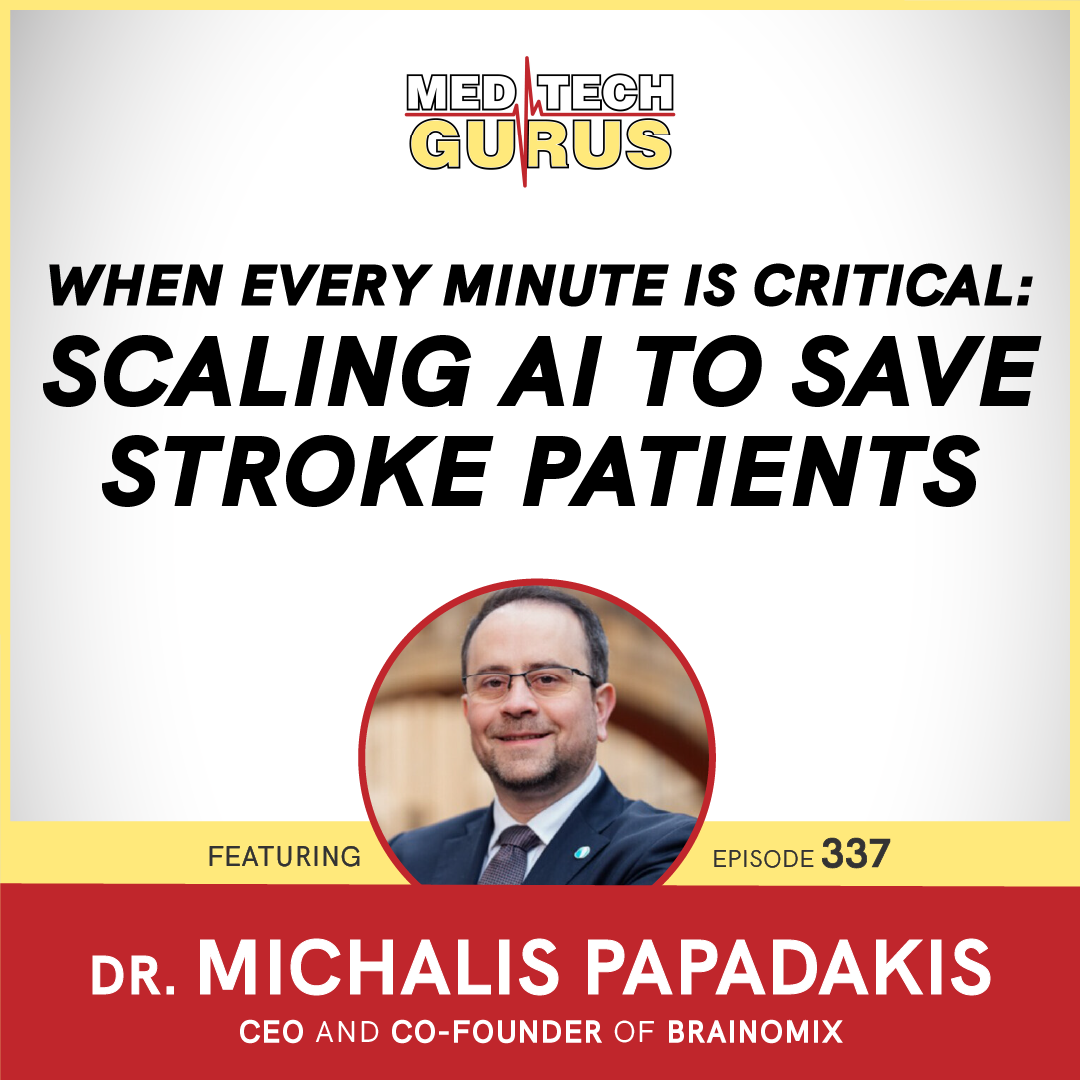
A common pitfall for science-led companies is getting lost in the pursuit of academic perfection while forgetting the ultimate goal: developing a marketable product. Success requires shifting focus from perfect science to creating a product that is "good enough" to help patients, a mindset crucial for navigating the complexities of drug development.
Successful MedTech innovation starts by identifying a pressing, real-world clinical problem and then developing a solution. This 'problem-first' approach is more effective than creating a technology and searching for an application, a common pitfall for founders with academic backgrounds.
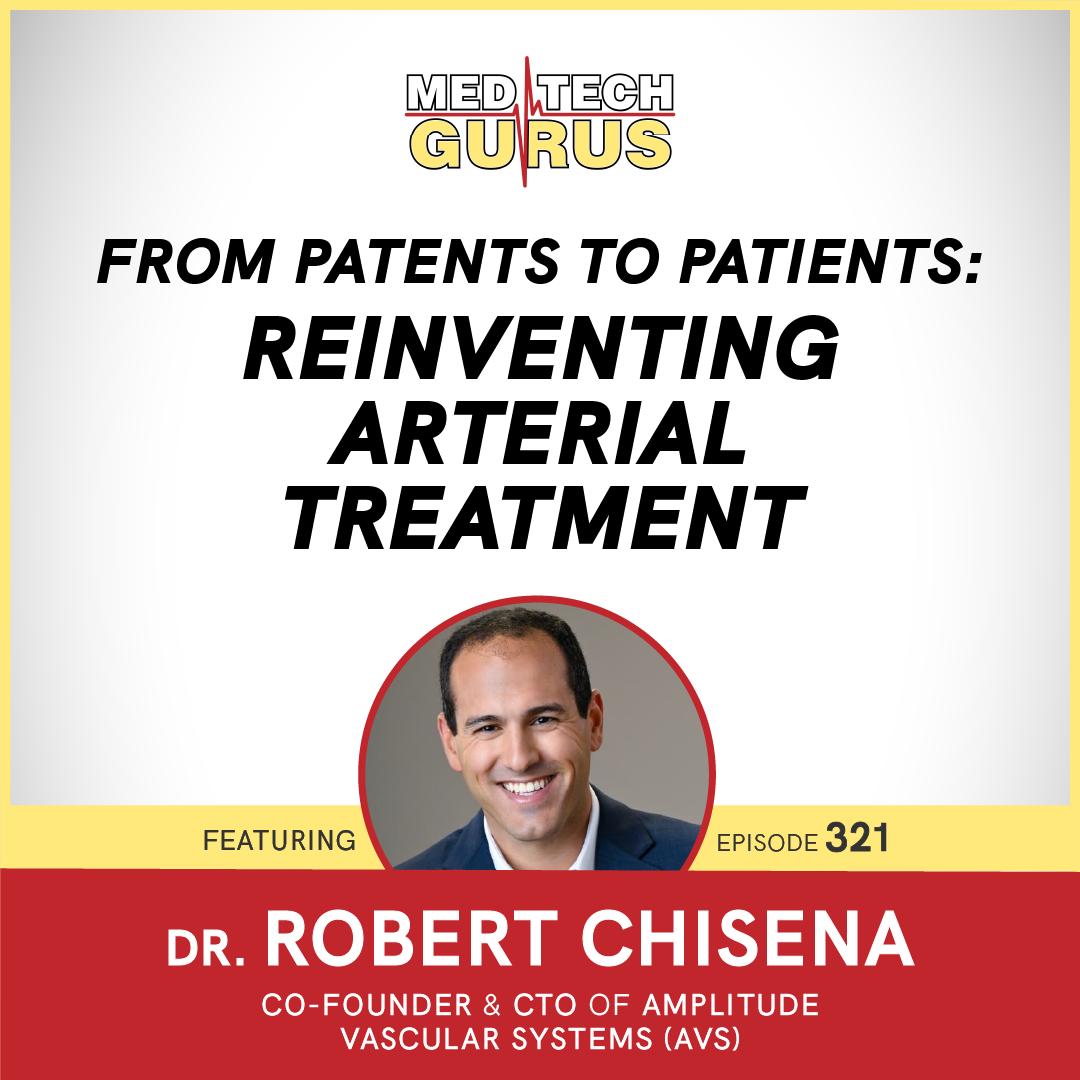
Synchrony Medical's origin highlights a powerful incubator model: pairing clinicians who identify a clear market need with engineers skilled in product development. This "secret sauce" ensures the device is clinically relevant and technically sound from its inception.

Startups born from PhD research often begin with a technology and must then find its most valuable application, the reverse of identifying a market need first. This makes extensive customer discovery critical to validate demand and pivot from the initial academic focus, as Cellino's founder experienced firsthand.
The most impactful life science ventures start with a clear, unmet clinical need and design research to solve it. This patient-centric approach provides direction and motivation, contrasting with the common model of finding an application for a recent scientific discovery.

For clinicians turned entrepreneurs, the first step is not ideating a solution. It's rigorously studying a problem they face, quantifying it, and confirming it's a universal issue across many institutions. True innovation stems from this deep, problem-first validation, not from a technology-first approach.