Get your free personalized podcast brief
We scan new podcasts and send you the top 5 insights daily.
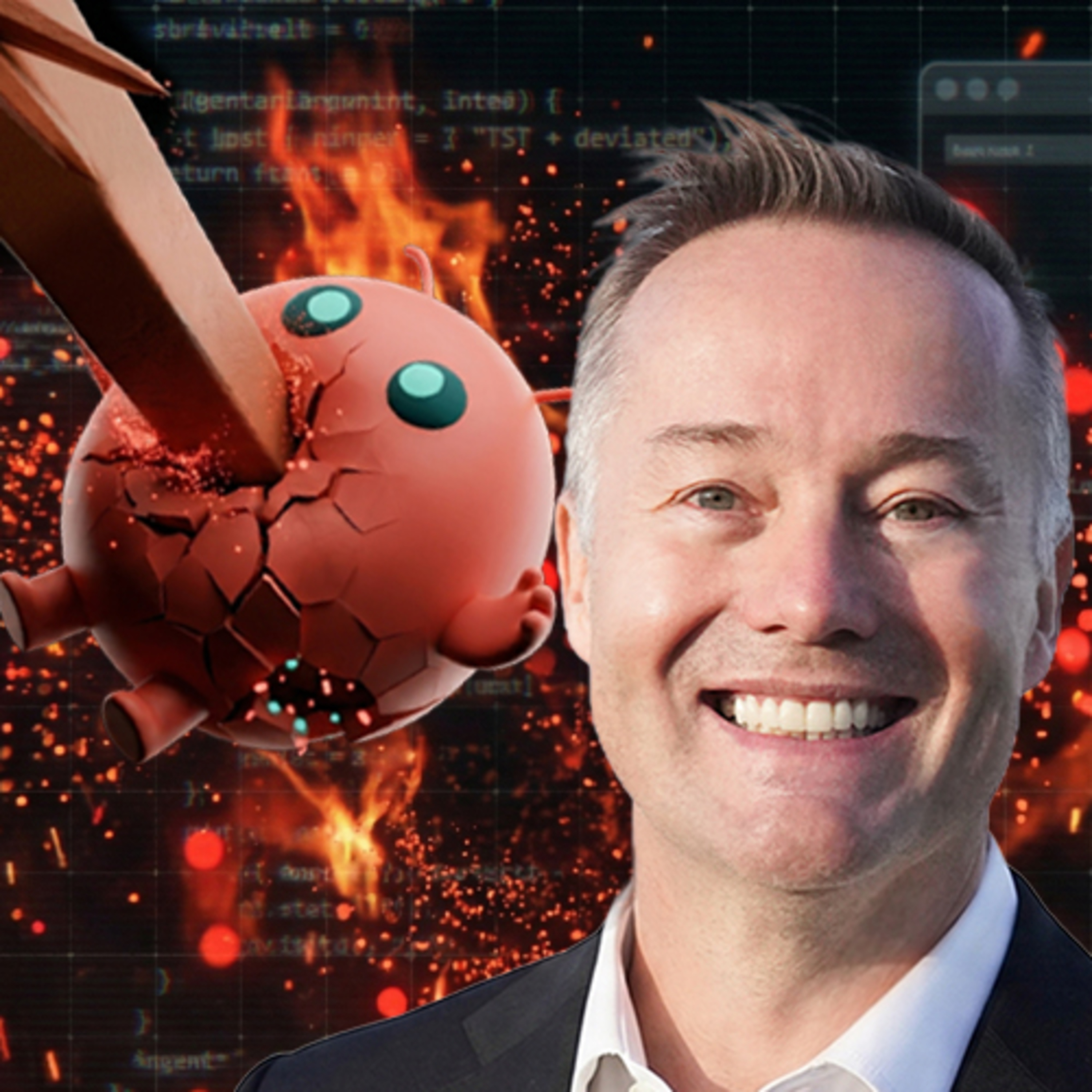
A dark trend emerging in China involves workers creating AI agents to automate their colleagues' jobs. The goal is to make others redundant first, thereby securing their own position in an increasingly competitive and automated workplace. This represents a strategic, albeit ruthless, application of personal AI.
Related Insights
When employees mock colleagues for using AI, it's often not about judging shortcuts. It's a defense mechanism rooted in fear of job displacement, feeling threatened by a new paradigm, or the insecurity of having their hard-won expertise challenged by new technology.

Drawing on Cory Doctorow's insight, the immediate risk for workers isn't being replaced by a competent AI, but by an incompetent one. AI only needs to be good enough to convince a manager to fire a human, leading to a lose-lose situation of job loss and declining work quality.
The theoretical discussion about AI and job loss is becoming reality. One startup founder plans to replace 70% of his team (50 people) with "agent swarms"—interconnected AI agents that handle specific functions managed by a master agent. This indicates job displacement may be more rapid and widespread than anticipated.
![Claude Code marketing masterclass [from idea to making $$] thumbnail](https://assets.flightcast.com/workspaces/vde7jbg9rfhsyiw9o46f9sj8/podcasts/ordbkg8yojpehffas7vr7qpc/t8c97hs8oy7a2xnobsfu5p42.jpg)
The true disruption from AI is not a single bot replacing a single worker. It's the immense leverage granted to individuals who can deploy thousands of autonomous AI agents. This creates a massive multiplication of productivity and economic power for a select few, fundamentally altering labor market dynamics from one-to-one replacement to one-to-many amplification.
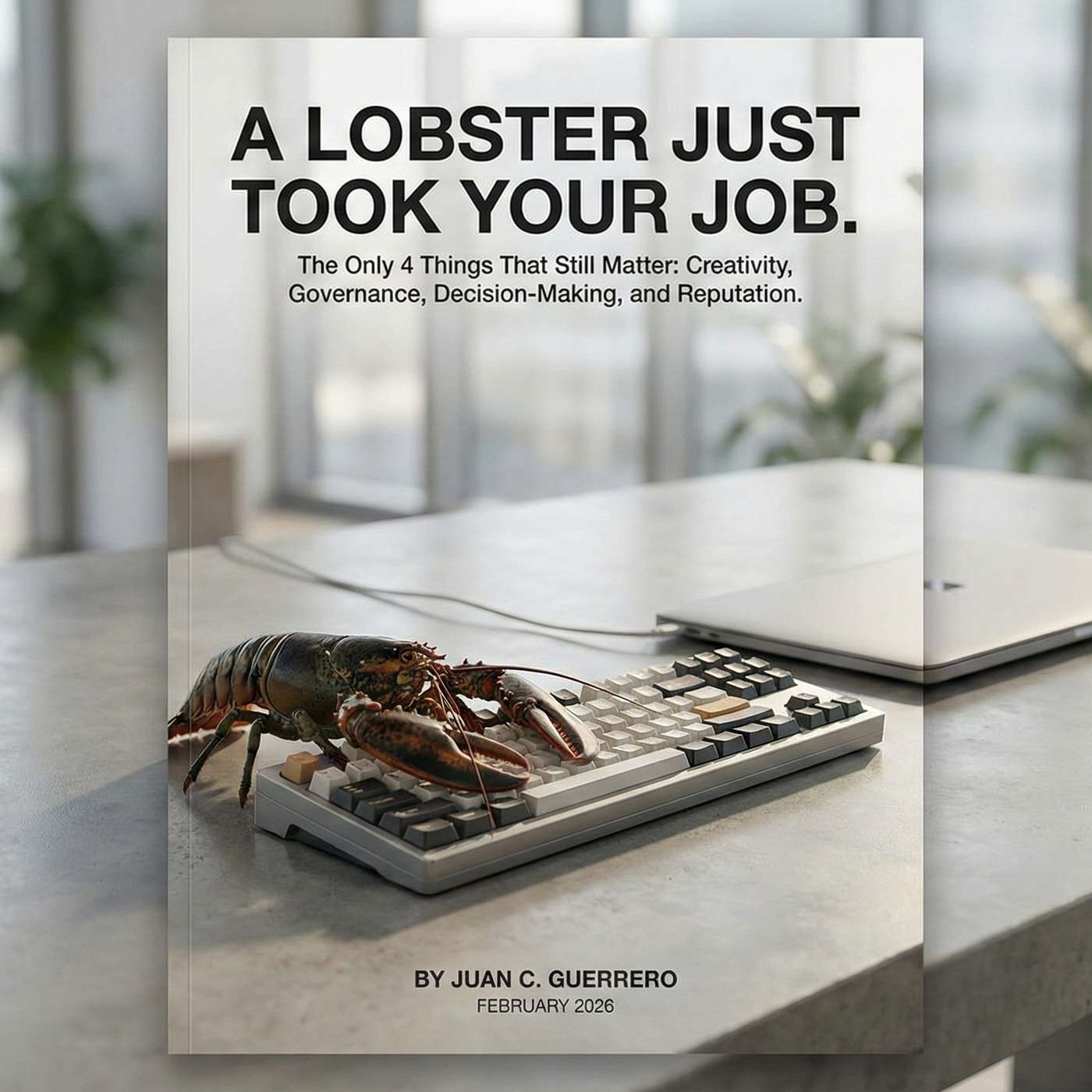
Instead of using AI to eliminate colleagues, a more optimistic strategy is to automate your own corporate tasks. This frees up your time and mental energy to build a side business with the same powerful AI tools, ultimately creating a path to exit the corporate world.
The immediate threat from AI is not automated job replacement, but competitive obsolescence. Professionals who refuse to learn and integrate AI into their workflow will be outcompeted and replaced by peers who leverage it as a tool. Adopting AI is a defensive necessity.

The future of productivity isn't just using AI tools; it's about individuals leveraging a personal "army" of specialized AI agents. A new employee equipped with these agents can replace entire teams, leading to a rapid thinning of corporate hierarchies within the next 1-2 years.
AI acts as a force multiplier for individuals who learn to leverage it, allowing them to achieve the output of a much larger team. The threat isn't the technology itself, but competitors who adopt it faster to gain a significant advantage.
AI disproportionately benefits top performers, who use it to amplify their output significantly. This creates a widening skills and productivity gap, leading to workplace tension as "A-players" can increasingly perform tasks previously done by their less-motivated colleagues, which could cause resentment and organizational challenges.
The primary threat of AI in the workforce isn't autonomous systems replacing people. Instead, it's the competitive displacement where individuals who master AI tools will vastly outperform and consequently replace their peers who fail to adapt to the new technology.
