Get your free personalized podcast brief
We scan new podcasts and send you the top 5 insights daily.
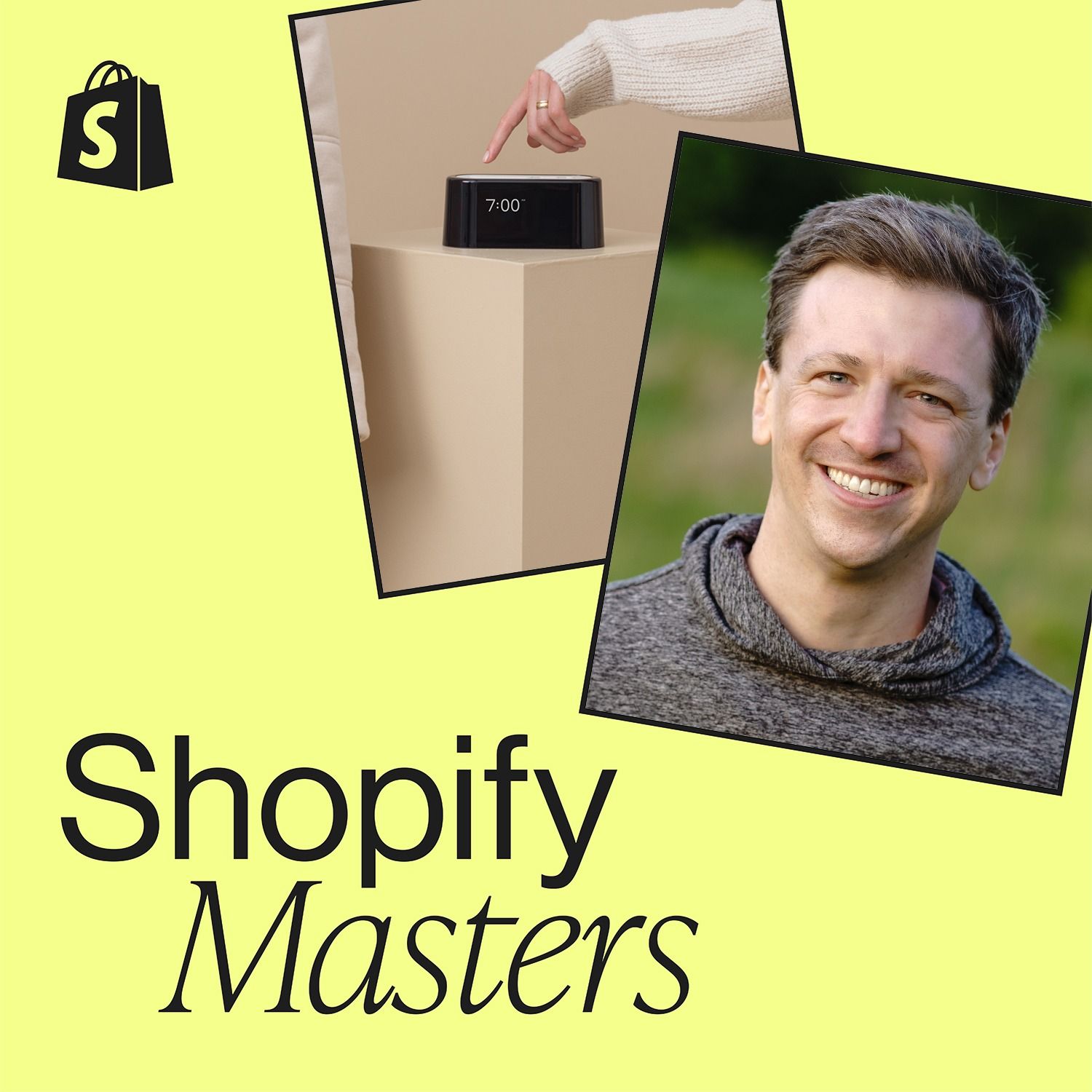
Loftie founder Matthew Hassett advises against crowdfunding for future launches. He found that early backers, due to their long-term involvement and feeling of investment, develop an outsized sense of ownership and can be very difficult to please, creating a challenging customer relationship.
Related Insights
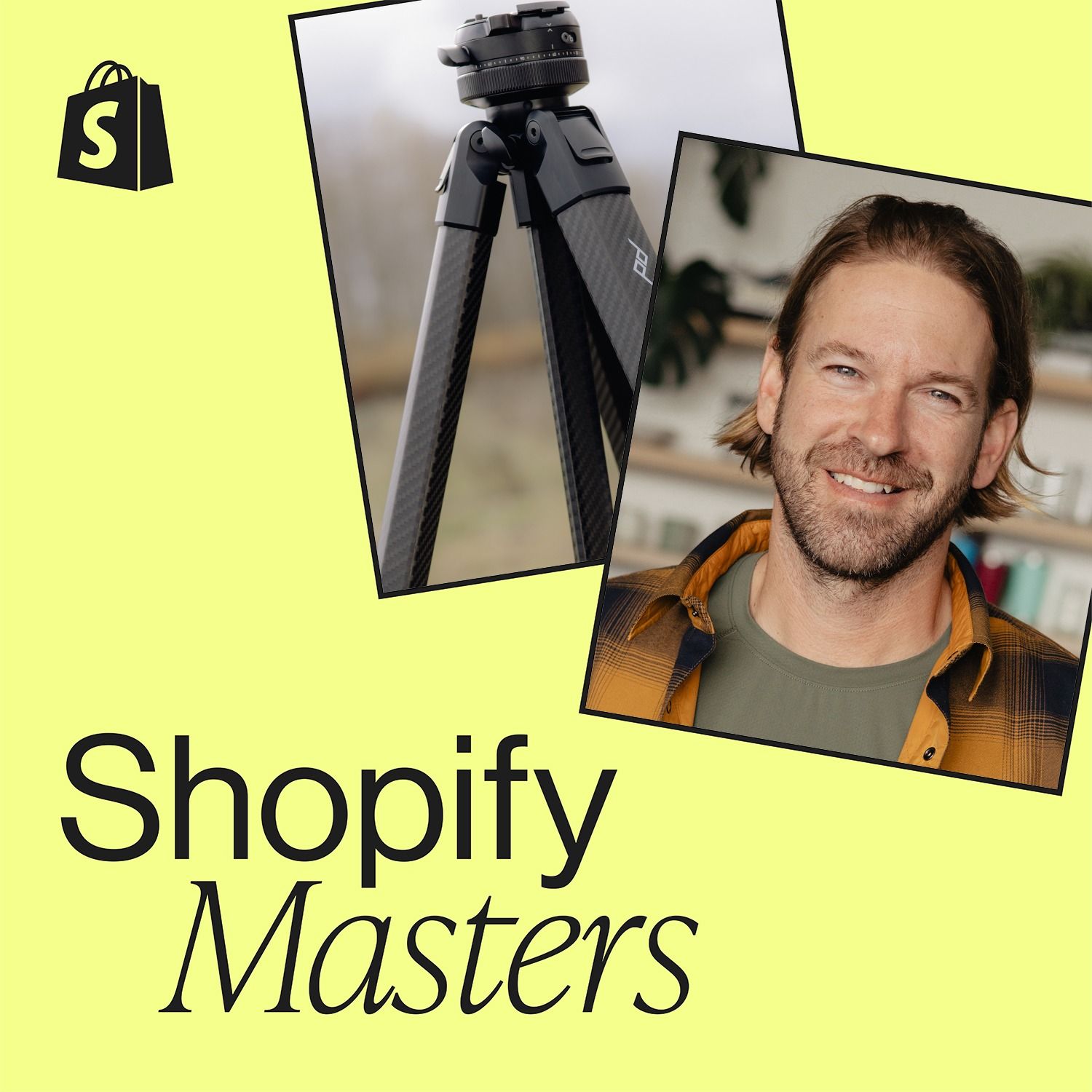
Peak Design's founder argues that Kickstarter is not a place to validate if people want a product. Instead, it should be treated as a powerful sales and marketing channel for products that are well-developed and known to solve an obvious problem. Success hinges on pre-existing product-market fit, not on discovering it.
Raising money creates new obligations and pressures. Emma Grede cautions that capital can give a false sense of security, encouraging founders to 'buy' customers at unsustainable costs instead of focusing on building a superior product that customers genuinely love. True traction should not depend on external funding.

Owning 100% of the equity allows the founders to make unconventional, long-term decisions that prioritize fan experience over short-term profits. They explicitly state that shareholders would force them to add fees and ads, demonstrating the strategic value of bootstrapping to protect a brand's integrity.
Give Hugs' founders intentionally self-funded their company to maintain full control over their mission. This prevented potential outside investors from compromising their integrity or forcing decisions that would dilute their commitment to product quality and charitable giving.

VCs repeatedly rejected Loftie for lacking recurring revenue. The founder resisted pressure to adopt a model with low-cost hardware tied to a mandatory subscription, believing it would outrage customers. This highlights the difficult tradeoff between a VC-appealing business model and a customer-centric one.
It's common to vet investors, but founders should apply the same rigor to their first customers, especially in enterprise. Early customers are not just revenue sources; they are innovation partners who shape your product. Choosing partners who share your vision and will collaborate deeply is crucial for success.

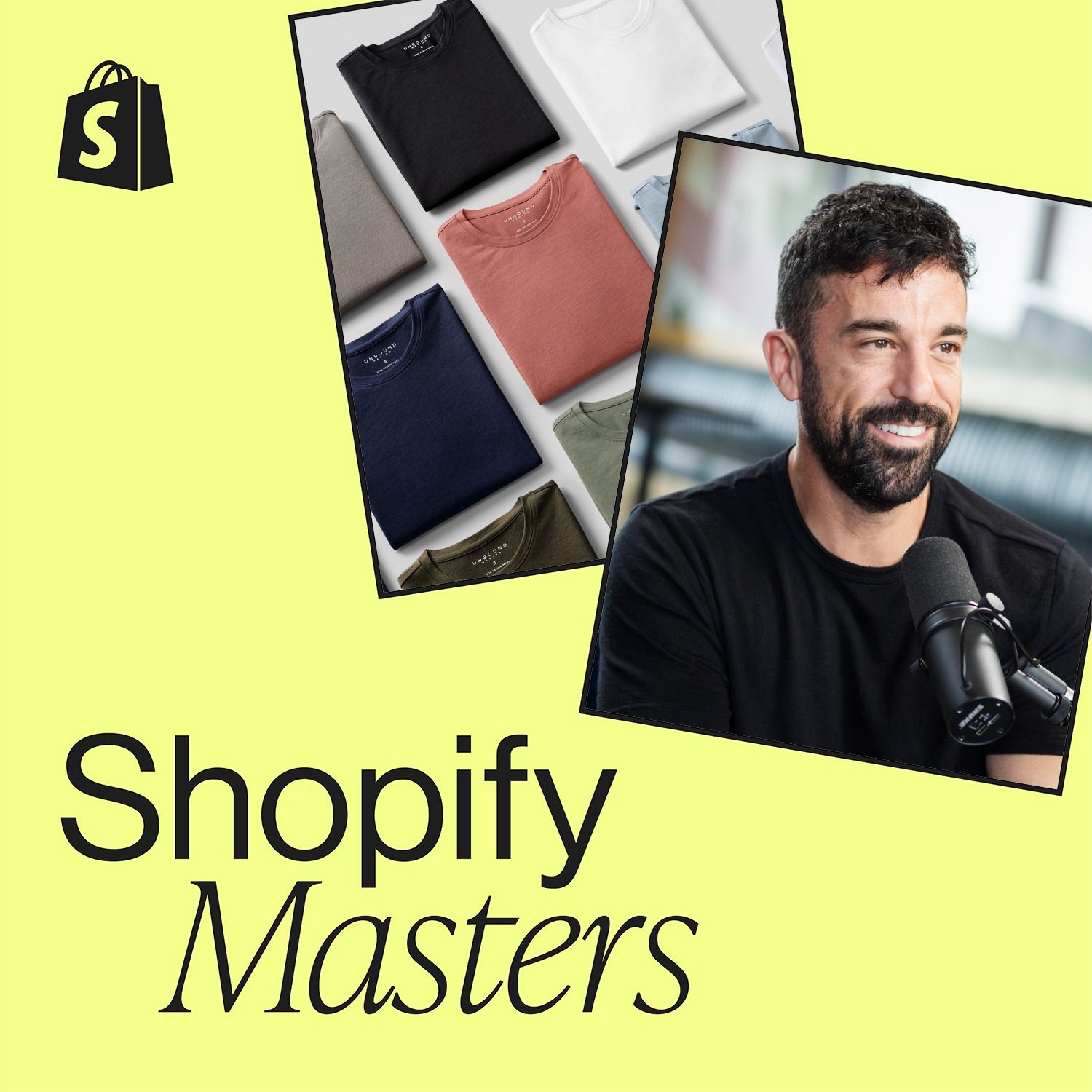
Unbound Merino used its Indiegogo campaign as a definitive test for market demand, not just a funding tool. This framed the effort as a win-win: either a successful business would be born, or the founder would get a box of the custom t-shirts he personally wanted.
Ladder's success stems from prioritizing aggregate customer data over individual opinions, especially from investors. They view an investor's product suggestion as a single, biased data point that often contradicts what their broader user base actually wants and needs.
![Tom Digan & Greg Stewart - Building the World’s Best Fitness App - [Invest Like the Best, EP.454] thumbnail](https://megaphone.imgix.net/podcasts/8459013c-f00c-11f0-ac98-fbad2fe189ee/image/d99352e9439af266dbb87c1efac1299f.jpg?ixlib=rails-4.3.1&max-w=3000&max-h=3000&fit=crop&auto=format,compress)
A primary driver for seeking external capital is often the founder's impatience and insecurity, not a genuine business need. It's a desire for external validation. Choosing patience and building methodically, even if it means living lean, preserves equity and control.

A key early mistake for Loftie was underpricing its clock. While seemingly customer-friendly, the low price point constantly strained the company's ability to finance production runs. The founder learned that pricing must be high enough to sustain the business and deliver the desired experience.