Get your free personalized podcast brief
We scan new podcasts and send you the top 5 insights daily.
Frameworks designed for asset allocators are highly applicable to investor relations (IR) professionals. The most effective IR people act less like salespeople and more like interviewers, using deep listening and questioning to understand allocator needs rather than just pitching their own product.

Related Insights
Top salespeople replace rigid presentations with genuine curiosity. The goal isn't to pitch a product but to ask insightful questions and understand the customer's world. This approach feels more natural and is far more effective at building trust.

Don't just broadcast information to stakeholders. Use presentation time for discovery. Ask direct questions like "Is this relevant?" and observe body language to learn what truly matters to them. Each meeting is a chance to refine your understanding of their priorities for the next interaction.

Many fund managers approach capital raising by broadcasting their own "unique" story. However, the most successful ones operate like great listeners, first seeking to understand the specific needs and constraints of the Limited Partner (LP) and then aligning their value proposition accordingly.
Instead of asking standard discovery questions, top performers pose strategic questions that require joint exploration. This shifts the dynamic from a sales pitch to a collaborative problem-solving session, creating a deeper partnership and revealing unforeseen opportunities that standard questions would miss.
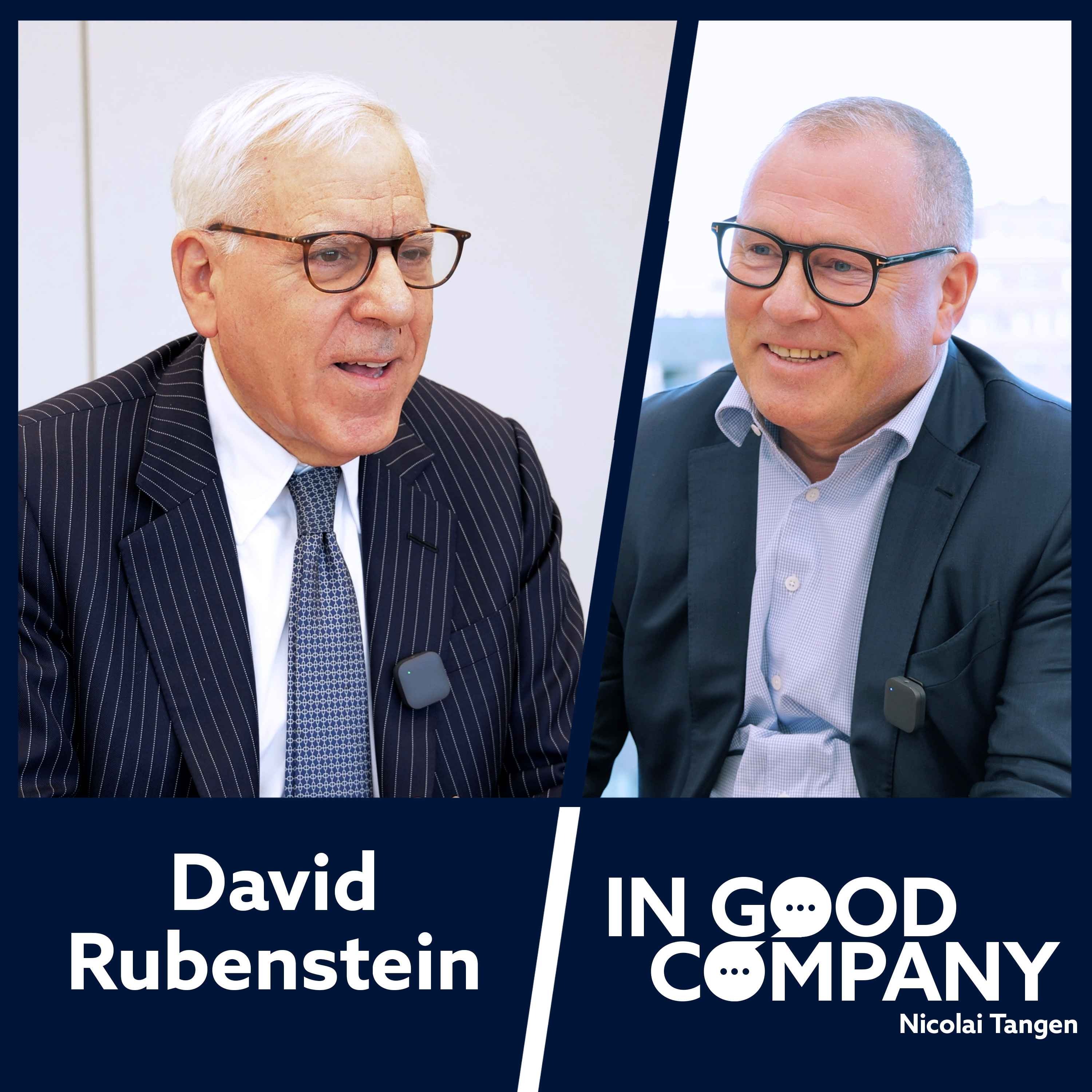
Citing Oprah Winfrey, Rubenstein argues the key to great interviewing is not having the best questions but being a great listener. True listening allows the interviewer to pivot and follow up on unexpected answers, turning a rigid Q&A into a genuine conversation that uncovers far deeper insights than a prepared script ever could.
Treat investor meetings like intimate tutorials, not one-way presentations. Ask questions to understand their knowledge base and worldview first, then guide them forward from that point. This builds a human connection and is more effective than a generic script.

Contrary to the common belief that talking equates to control, the opposite is true. The individual asking questions directs the flow, shape, and focus of the dialogue. This allows a salesperson to guide the conversation toward their objective while simultaneously making the stakeholder feel heard and important, building deeper emotional connection and trust.
Instead of launching into a canned presentation, start LP meetings by asking about their fund allocation strategy, typical investment size, and current portfolio needs. Their answers provide a roadmap for how to navigate the rest of the meeting, allowing you to tailor your pitch on the fly and assess your real chances of a commitment.

Successful fundraising isn't about broadcasting a prepared script. Artiva's CEO focuses on understanding an investor's specific areas of interest or concern early in a meeting. The goal is to fill their knowledge gaps and address their perceived risks, making the conversation a collaborative due diligence process rather than a one-way pitch.

The most effective IR professional is a 'Secretary of State'—someone with deep knowledge of both the firm (GP) and the client (LP) who is empowered to speak for leadership. This goes beyond mere relationship management to strategic diplomacy and negotiation.