Get your free personalized podcast brief
We scan new podcasts and send you the top 5 insights daily.
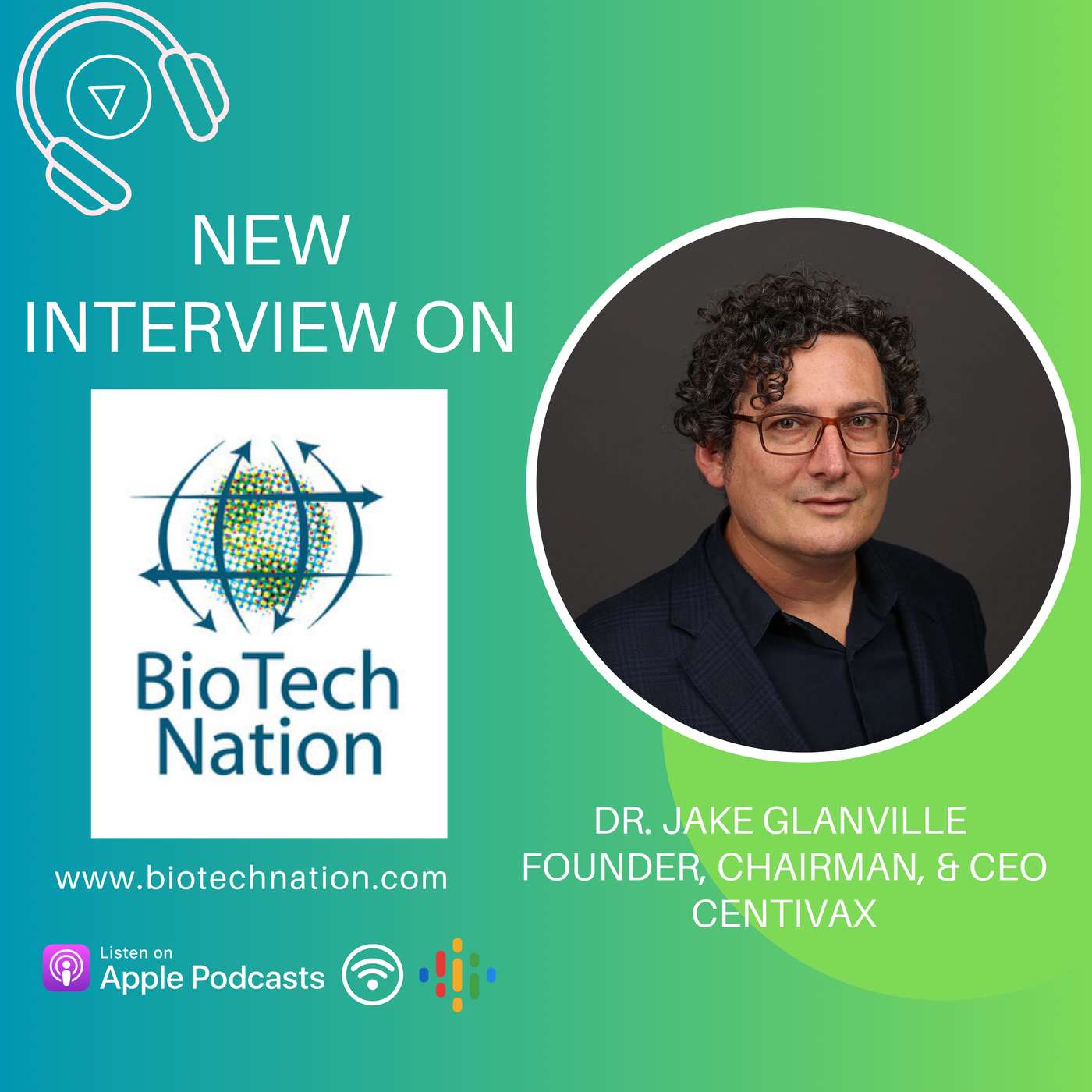
Recognizing the 18 years of risk Tim Freedy undertook, Centivax integrated him as Director of Herpetology with equity. This ethical model directly contrasts with historical cases like Henrietta Lacks, where the human source of a breakthrough received no benefit, setting a new standard for biotech collaborations.
Related Insights
Departing from industry norms, Curie.Bio intentionally allocates a large equity stake to founders. They see this not just as fair but as a utilitarian strategy to gain a competitive advantage in sourcing the rarest and most valuable scientific ideas, which ultimately drives fund returns.

Cortical Labs preemptively addressed ethical concerns about fusing neurons with chips by engaging directly with bioethicists and religious institutions, which helped them navigate potential backlash and build trust.

To humanize R&D and maintain motivation, biotech leaders bring patients into the company. This practice directly connects scientists with the human impact of their work, grounding the entire team in their shared purpose, especially on difficult days.

The complex litigation around COVID vaccine technologies highlights a fundamental tension. Scientific breakthroughs often result from decades of collaborative work, but commercial reality forces this messy history into neat corporate boxes for IP ownership, inevitably leading to high-stakes legal battles over who deserves credit and compensation.

Because their platform generates more high-potential drug targets than they can pursue internally, the company frames partnerships with large pharmaceutical firms as an ethical imperative. This approach ensures novel findings don't languish, allowing them to become life-saving drugs while triggering revenue sharing for their community partners.
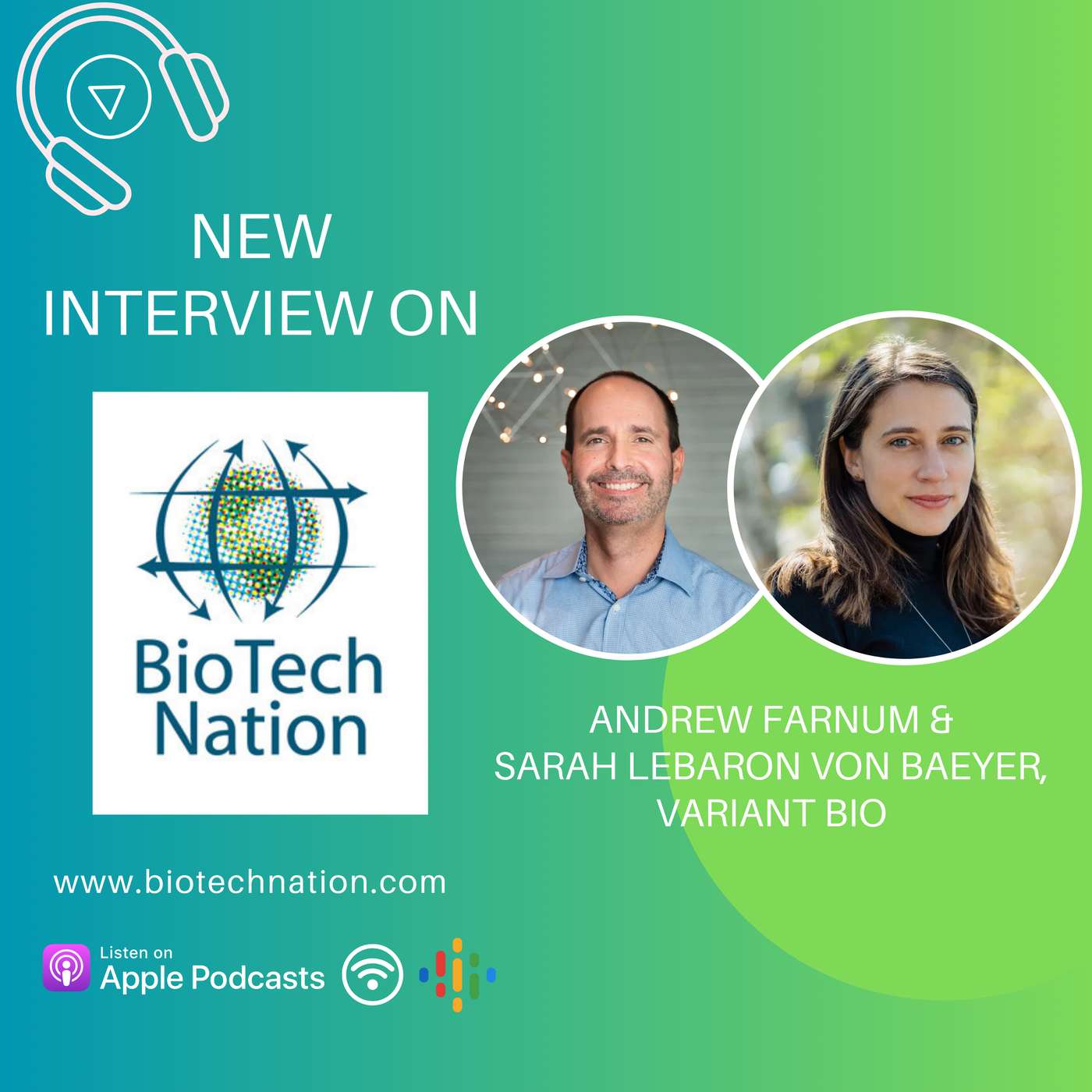
Variant Bio's advantage lies in its ethical approach to partnering with indigenous communities. This model, which includes co-designing studies and robust benefit sharing, grants them exclusive access to unique genetic datasets that competitors, focused on traditional data sources, cannot obtain.
The foundation of a successful biotech is scientific innovation. Business leaders who openly respect scientists as the focal point for value creation can build trusting, effective relationships that accelerate development and commercialization.

A common failure in biotech is viewing patients solely as data sources rather than as human partners in the development process. This perspective leads to unnecessarily complex protocols with high patient burden. The most successful firms build relationships with patient advocacy groups and design trials that respect the patient's experience.

To avoid undue influence, individual participants are not paid cash. They receive immediate value via their own health test results. The significant financial upside, including 4% of revenue and equity, is reserved for the community as a whole, creating a sophisticated, multi-layered ethical compensation framework.
For smaller biotechs, the key to a successful CRO relationship is treating them as a genuine partner. This requires moving beyond a transactional, fear-based dynamic to one of open communication and mutual respect. Biotechs should actively solicit CRO feedback, as they possess valuable cross-industry insights and can identify sponsor-side behaviors that need to change.