Get your free personalized podcast brief
We scan new podcasts and send you the top 5 insights daily.
Contrary to the belief that virtual care primarily serves rural areas, its value is significant in urban settings. It removes "hidden" barriers for hourly workers, such as lost wages from taking a full day off, transportation time, and parking costs—all for a short, routine check-up.
Related Insights
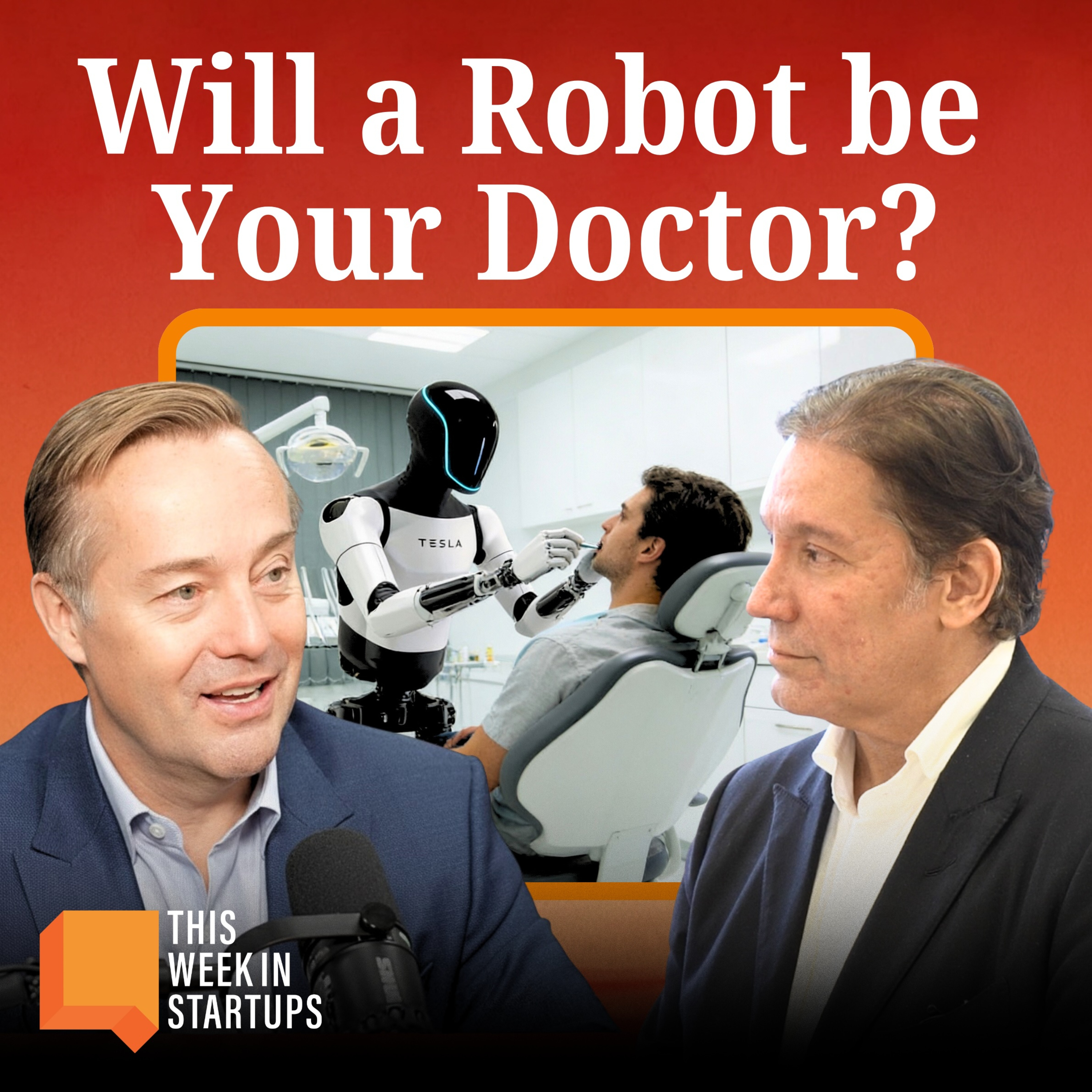
The future of healthcare will see AI handling initial patient consultations, effectively becoming the primary care doctor. This will streamline the process, sending patients directly to specialized clinics for diagnostic tests, bypassing traditional, inefficient doctor visits.
While fee-for-service models incentivize in-clinic treatments, value-based care shifts the focus to outcomes and overall cost. Under these new models, home dialysis—which offers better patient outcomes and lower societal costs—becomes more profitable for providers, creating a powerful financial incentive to drive adoption.

Unlike imaging that requires specialized centers, blood tests can be administered anywhere with basic phlebotomy services. This eliminates geographic and logistical barriers, making advanced diagnostics accessible to rural and underserved populations and reframing access as a human right.

The friction of navigating insurance and pharmacies is so high that chronic disease patients often give up, skipping tests or medications and directly worsening their health. AI can automate these tedious tasks, removing the barriers that lead to non-compliance and poor health outcomes.

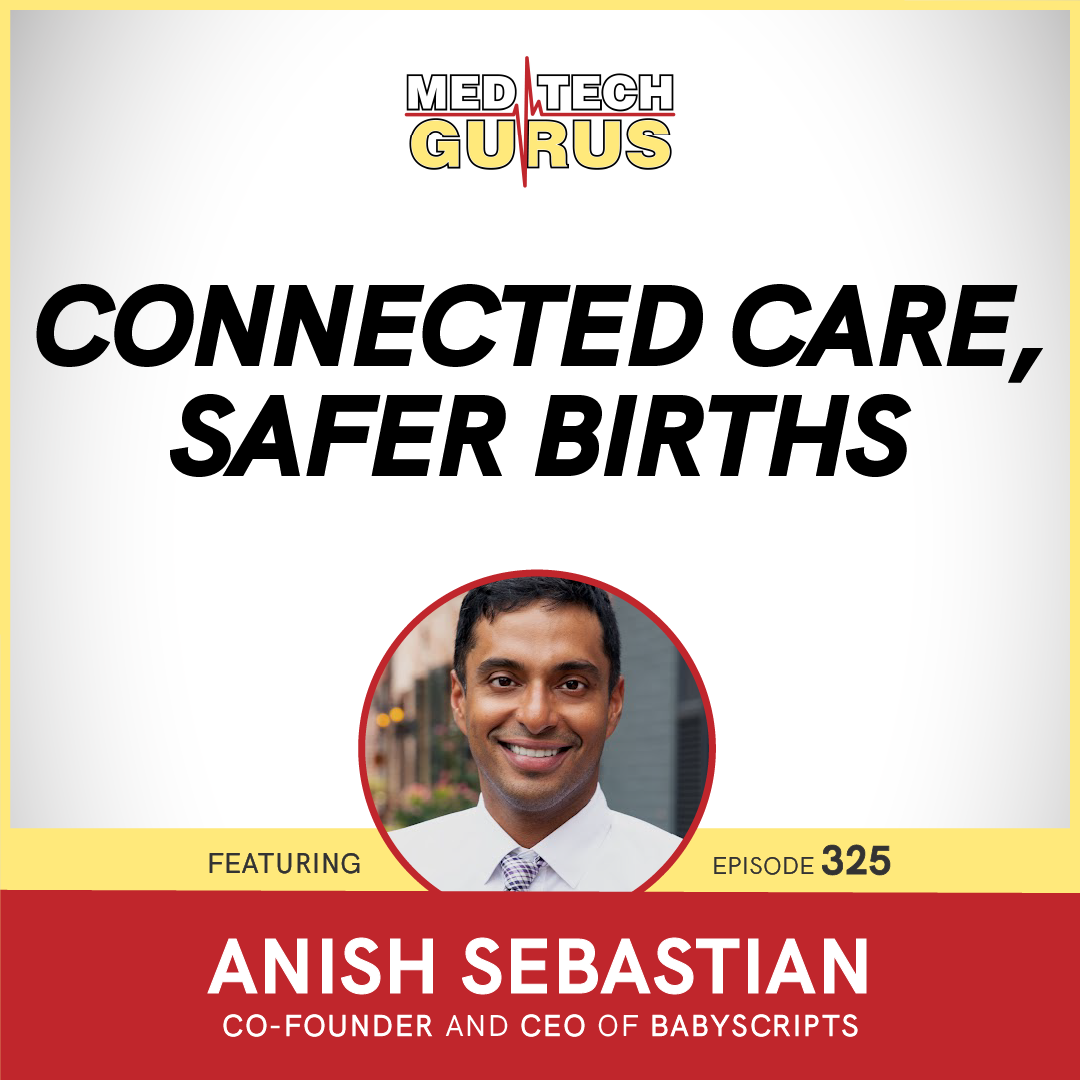
BabyScripts' CEO argues that modern maternal care should mirror the "it takes a village" adage. By virtually connecting patients to a diverse team—nutritionists, mental health advocates, and care navigators—platforms can provide holistic support beyond the core obstetrician, improving both outcomes and efficiency.
The company's core value proposition stems from a non-obvious market inefficiency: doctors have roughly 30% of their schedules open due to last-minute cancellations and no-shows. ZocDoc acts as a yield management platform, filling this perishable inventory, which benefits both doctors' businesses and patients seeking quick access to care.

Despite the telehealth boom, 95% of ZocDoc's appointments for physical medicine are booked for in-person visits. The data suggests that while patients value the *option* of telehealth, they don't actually want it for somatic care, where a physical examination is crucial. The primary use case remains remote mental health services.
During the pandemic, companies adopted digital health solutions to make employees happy. Now, the focus has returned to fundamentals. Buyers demand solutions that demonstrably reduce costs, like insurance claims or sickness absenteeism, rather than just offering 'added value' perks.
The current healthcare model is backwards. It's more cost-effective to proactively get comprehensive diagnostics like blood work done twice a year than to rely on multiple, expensive doctor visits after symptoms appear. This preventative approach catches diseases earlier and reduces overall system costs.
Approximately 30% of U.S. healthcare costs are administrative. AI tools like ChatGPT Health can dramatically reduce this bloat for both providers (paperwork automation) and patients (avoiding unnecessary visits for false alarms), effectively slimming down systemic expenses like the popular weight-loss drug.
