Get your free personalized podcast brief
We scan new podcasts and send you the top 5 insights daily.
AIUC creates an AI safety standard and offers an insurance policy exclusively to companies that meet it. This incentivizes companies to adopt higher safety practices to win enterprise customers, who value the de-risking that comes with the standard and insurance.

Related Insights
Non-profit standards bodies often lack incentives to stay current. A for-profit model, aligned with the financial interests of insurers who pay for failures, creates a feedback loop that ensures the standard is both high-quality and constantly evolving to reduce real-world risk.

AIUC addresses the primary barrier to enterprise AI adoption—risk—by creating a comprehensive standard (AIUC-1). They then partner with insurers to back this standard, giving AI companies a powerful way to tell customers: we're independently verified and financially backed.
The adoption of the AIUC1 standard by leaders in automation (UiPath), customer support (Intercom), and voice (11 Labs) signals an emerging industry-wide consensus on AI agent safety. This is shifting from a one-off certification to a foundational requirement for enterprise readiness, creating a baseline for trust and governance.

The model combines insurance (financial protection), standards (best practices), and audits (verification). Insurers fund robust standards, while enterprises comply to get cheaper insurance. This market mechanism aligns incentives for both rapid AI adoption and robust security, treating them as mutually reinforcing rather than a trade-off.

New technologies like electricity, cars, and now AI gain societal trust through a reinforcing cycle. Industry standards create a safety baseline, third-party audits verify compliance, and insurance covers the remaining residual risk, creating a powerful adoption flywheel.
Former OpenAI researcher Jerry Twerk argues against a central regulatory body for AI safety. He proposes that market forces are more effective, as competing labs have a strong financial incentive to audit each other's models, expose vulnerabilities, and publicize safety flaws, creating a self-policing ecosystem.

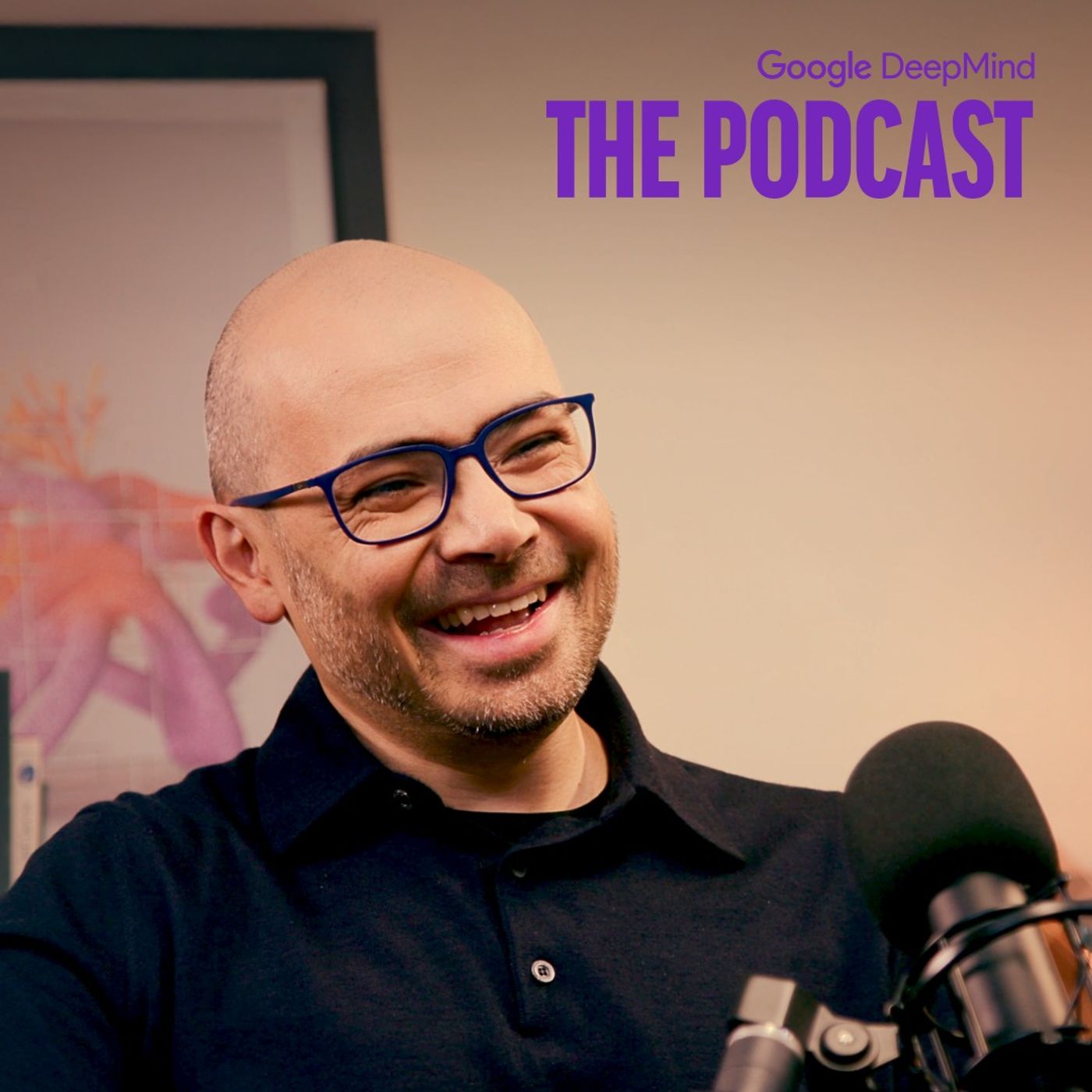
Demis Hassabis argues that market forces will drive AI safety. As enterprises adopt AI agents, their demand for reliability and safety guardrails will commercially penalize 'cowboy operations' that cannot guarantee responsible behavior. This will naturally favor more thoughtful and rigorous AI labs.
AI expert Max Tegmark argues that regulation, like the FDA for pharma, would shift incentives. Instead of a 'race to the bottom' on unchecked capabilities, companies would compete to be first to develop provably safe AI. This would create a golden age of innovation in areas like medicine while sidelining riskier applications.
Major technological shifts like electricity, cars, and nuclear power all created significant new risks. In each case, the market developed standards and insurance to build confidence and drive adoption long before government regulation was established. AIUC is applying this historical blueprint to AI.
The approach to AI safety isn't new; it mirrors historical solutions for managing technological risk. Just as Benjamin Franklin's 18th-century fire insurance company created building codes and inspections to reduce fires, a modern AI insurance market can drive the creation and adoption of safety standards and audits for AI agents.