Get your free personalized podcast brief
We scan new podcasts and send you the top 5 insights daily.
AIUC addresses the primary barrier to enterprise AI adoption—risk—by creating a comprehensive standard (AIUC-1). They then partner with insurers to back this standard, giving AI companies a powerful way to tell customers: we're independently verified and financially backed.

Related Insights
Non-profit standards bodies often lack incentives to stay current. A for-profit model, aligned with the financial interests of insurers who pay for failures, creates a feedback loop that ensures the standard is both high-quality and constantly evolving to reduce real-world risk.
The adoption of the AIUC1 standard by leaders in automation (UiPath), customer support (Intercom), and voice (11 Labs) signals an emerging industry-wide consensus on AI agent safety. This is shifting from a one-off certification to a foundational requirement for enterprise readiness, creating a baseline for trust and governance.

Early internet users feared online payments until the HTTPS encryption standard provided a secure, trustworthy process. Similarly, broad AI adoption requires process standards for safety and risk management to build the public and enterprise trust necessary for a boom in the AI-enabled economy.

The model combines insurance (financial protection), standards (best practices), and audits (verification). Insurers fund robust standards, while enterprises comply to get cheaper insurance. This market mechanism aligns incentives for both rapid AI adoption and robust security, treating them as mutually reinforcing rather than a trade-off.

New technologies like electricity, cars, and now AI gain societal trust through a reinforcing cycle. Industry standards create a safety baseline, third-party audits verify compliance, and insurance covers the remaining residual risk, creating a powerful adoption flywheel.
A new insurance category, separate from cyber insurance, is launching to cover enterprise risks specific to generative AI. Backed by Lloyd's of London, this product uses US lawsuit data to underwrite liabilities such as copyright infringement and personal injury caused by AI systems, addressing a critical gap for companies deploying the technology.

Major technological shifts like electricity, cars, and nuclear power all created significant new risks. In each case, the market developed standards and insurance to build confidence and drive adoption long before government regulation was established. AIUC is applying this historical blueprint to AI.
For companies deploying AI responsibly, independent verification is more than a cost; it's a strategic asset. A "green checkmark" from a trusted verifier acts as a competitive advantage and a growth lever by building essential consumer trust.

To accelerate enterprise AI adoption, vendors should achieve verifiable certifications like ISO 42001 (AI risk management). These standards provide a common language for procurement and security, reducing sales cycles by replacing abstract trust claims with concrete, auditable proof.
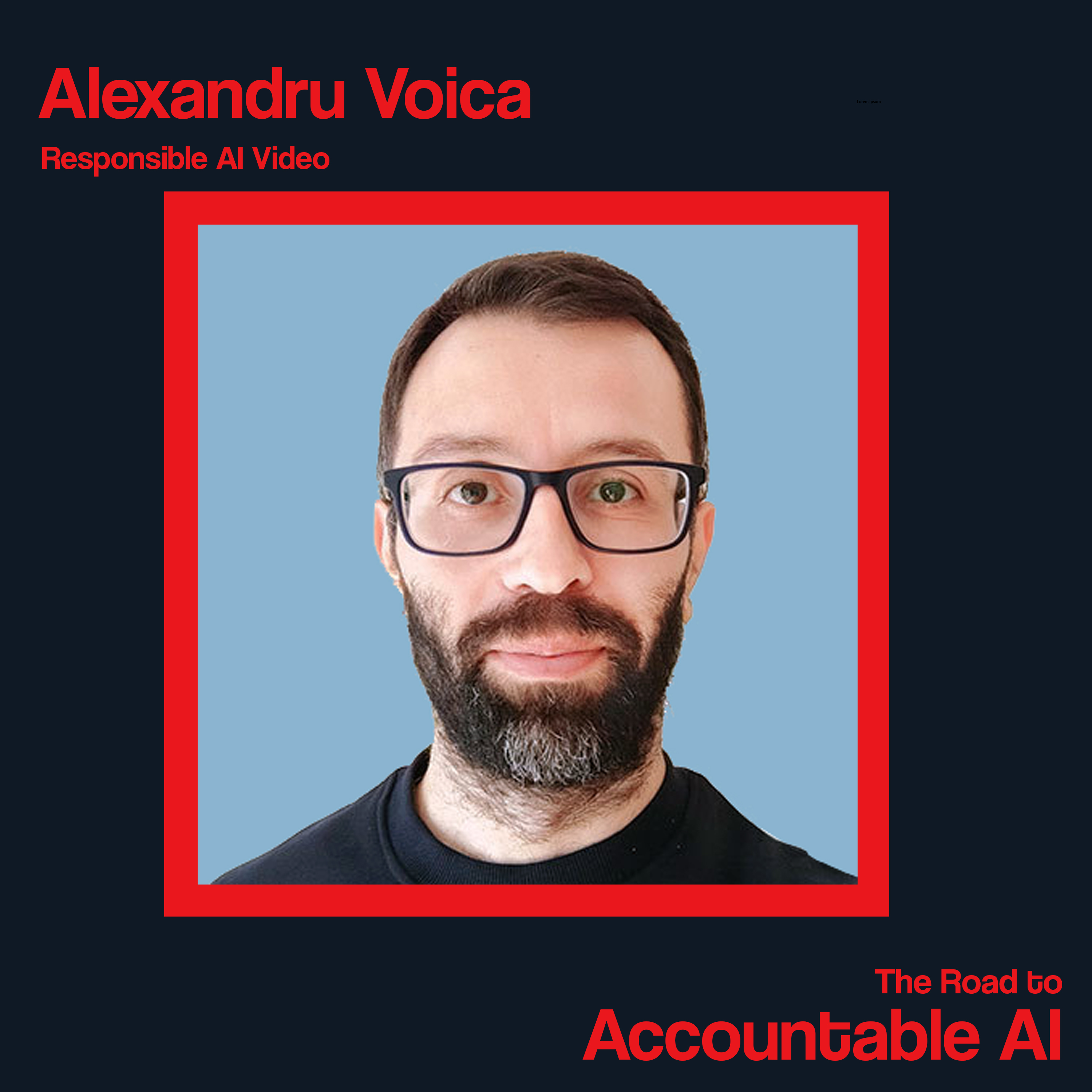
The approach to AI safety isn't new; it mirrors historical solutions for managing technological risk. Just as Benjamin Franklin's 18th-century fire insurance company created building codes and inspections to reduce fires, a modern AI insurance market can drive the creation and adoption of safety standards and audits for AI agents.