Get your free personalized podcast brief
We scan new podcasts and send you the top 5 insights daily.
JetBlue is testing an adults-only commercial flight from New York to Fort Lauderdale as part of a Virgin partnership for adults traveling to a cruise. The ticket includes a $100 bar credit, and JetBlue calls it 'do not disturb travel'—a targeted perk, not a broad airline policy.

Related Insights
In a public reply on X, JetBlue's official account advised a user complaining about a fare increase to 'try clearing your cash and cookies or booking with an incognito window.' This is a rare, direct confirmation from an airline that dynamic pricing based on user tracking is real and that consumers can bypass it using common privacy tools.

A common request from high-net-worth clients is a 'bubble' itinerary. This means ensuring they never see or interact with anyone outside their group, requiring complex logistics like back entrances, private chefs, and extensive security.

When a large competitor matched Southwest's $13 discounted fare, Southwest countered by offering customers a choice: the $13 fare, or the original $26 fare with a complimentary bottle of liquor. Most business travelers chose the higher fare, turning a potential loss into a profitable marketing coup.

The relationship between banks and airlines is shifting from pure partnership to competition. Banks are developing their own premium travel benefits, including proprietary airport lounges and flexible reward points, which directly challenge the value proposition of airline-specific loyalty programs and vie for the same affluent customer.

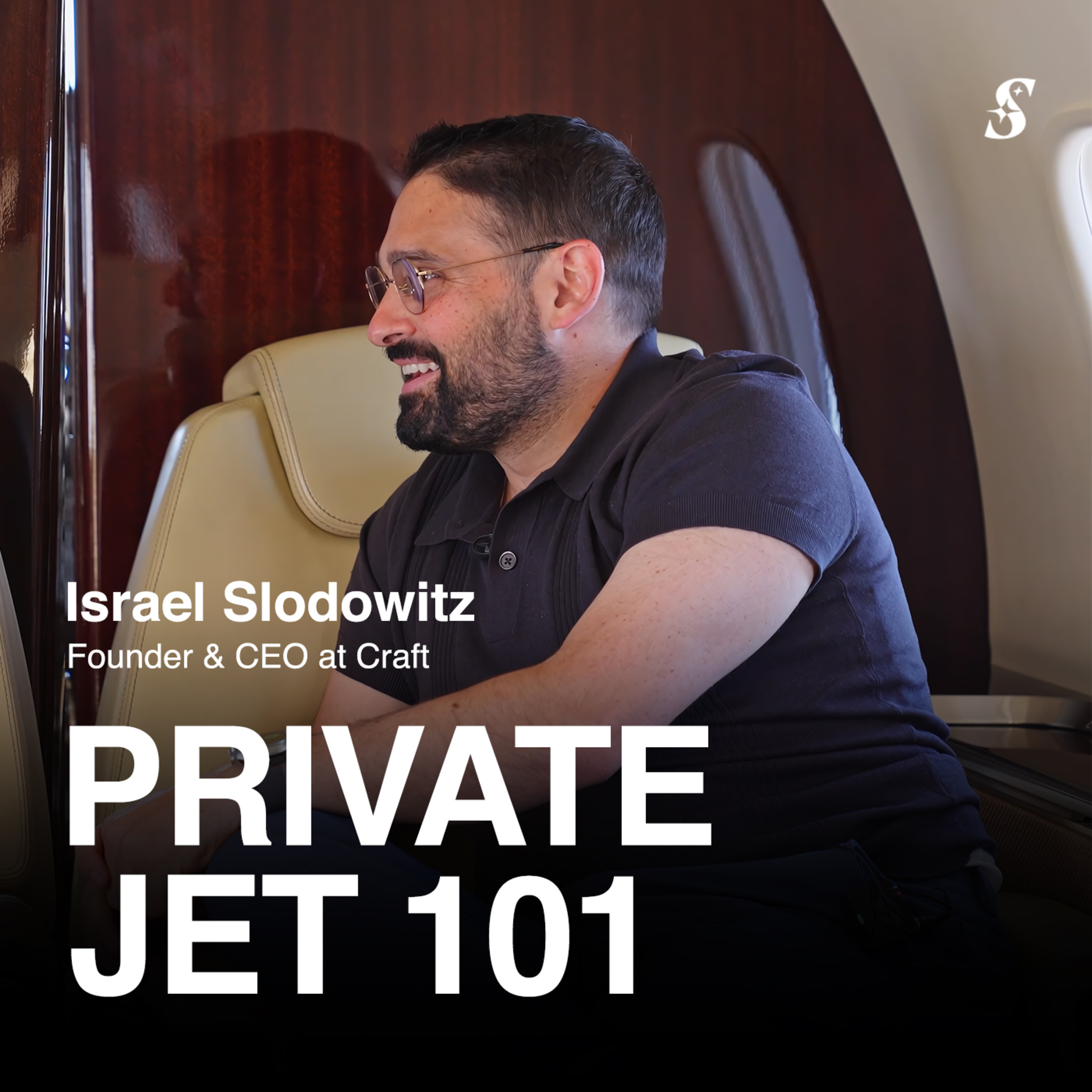
Contrary to the perception of luxury service, many private flyers value privacy above all else. They frequently prefer not to have a flight attendant on board, even when offered at no cost, to create a more personal and confidential environment during their travel.
Contrary to popular belief, the best availability for luxury award travel often appears at the last minute. Airlines release unsold cash seats into the rewards inventory bucket approximately 72 hours before a flight, creating a prime opportunity for flexible travelers to book premium cabins with points.
Overbooking isn't a flat algorithm. Business routes are overbooked more heavily due to flexible traveler schedules, while leisure routes with fixed plans (like a festival) are a huge risk to oversell, as almost everyone shows up. It's a lesson in understanding customer context to manage risk and revenue.

United's 'Relax Row' signals a fundamental airline industry shift driven by economic inequality. Carriers are moving away from a volume-based model of maximizing seats and toward a margin-based model focused on profitable premium products. For the first time, premium fares are becoming the majority revenue driver for major airlines.

An airline can't sustain a profitable loyalty program without a strong core product (network, reliability, service). Similar to how a restaurant with bad food can't profit from its high-margin wine list, an airline must first deliver a quality travel experience to successfully monetize its co-brand card partnerships.
The podcast hosts discovered a hack to bypass JetBlue's rule against passing food from business class to economy. By concealing meals inside the provided hard-shell headphone case, they successfully transferred food to colleagues in the back, highlighting a creative workaround to a corporate policy.