Get your free personalized podcast brief
We scan new podcasts and send you the top 5 insights daily.
After their lead program failed, Palisade Bio was in the process of hiring a Chief Medical Officer. The candidate, Mitch Jones, proposed acquiring an asset he had been following. This serendipitous hire led to a complete company pivot, demonstrating how strategic talent acquisition can redefine a company's trajectory.

Related Insights
Terns Pharma successfully shifted its focus after its GLP-1 obesity drug showed underwhelming results. By pivoting to its promising oncology asset for chronic myeloid leukemia, the company dramatically increased its value, culminating in a nearly $7 billion acquisition by Merck. This demonstrates the value of decisively abandoning struggling programs for high-potential ones.

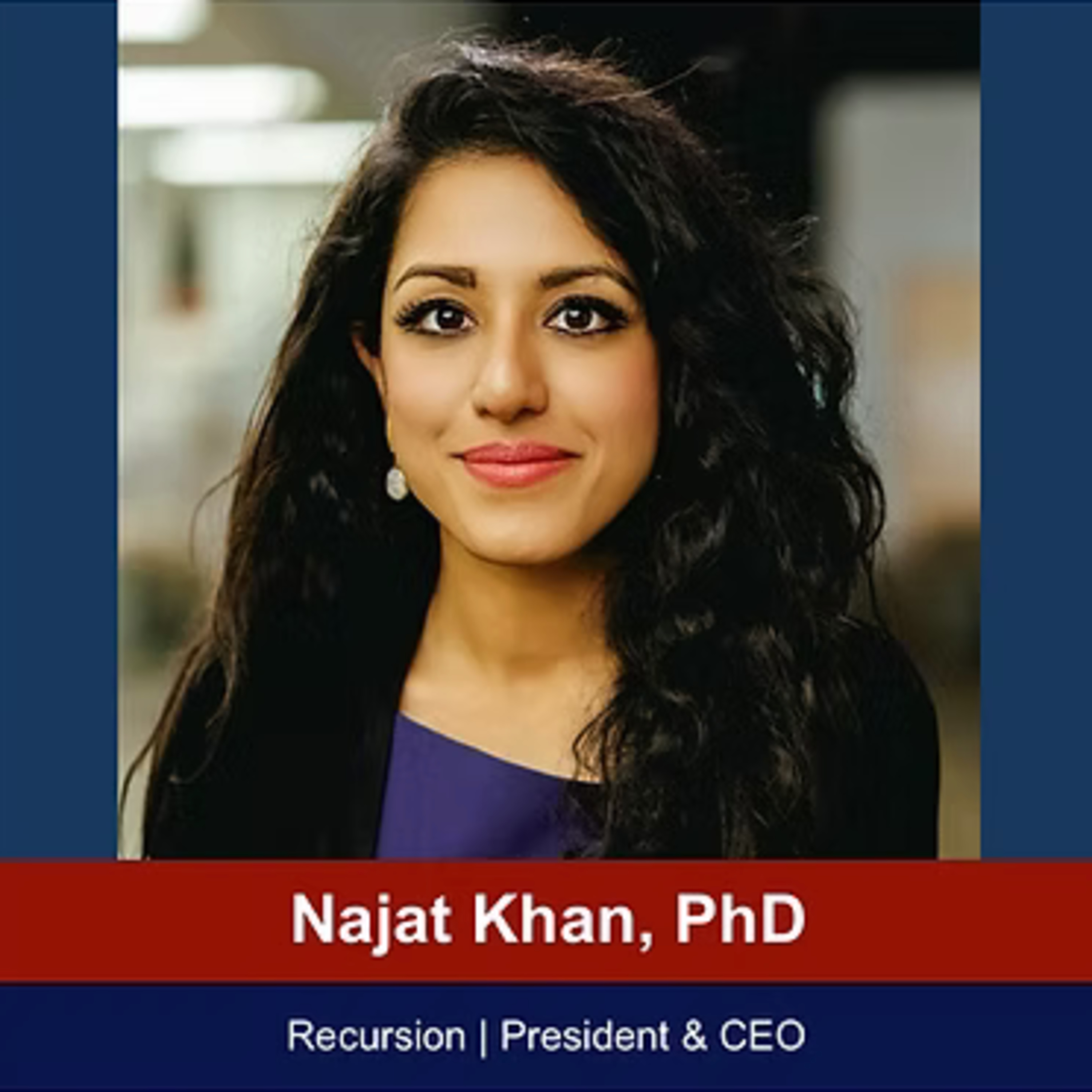
Upon taking the helm, Najat Khan is strategically shifting Recursion from a company focused on its AI/data platform to a "product engine" centered on developing medicines. This pivot underscores the belief that long-term value in biotech is created by delivering tangible therapies for patients, not just technology.
When a promising ALS drug failed Phase 2 trials, the company shut down. The drug's original founder, Dr. Ari Azhir, still believed in the science, repurchased the asset and all its data, and ultimately uncovered its true potential, leading to a new FDA application.

A successful acquisition strategy goes beyond the highest bid. It involves 'thinking like the molecule'—evaluating which buyer has the specific expertise, capabilities, and cultural alignment to best steward the asset's development. This reframes M&A from a financial transaction to a decision about the asset's future.

Cereno's CEO leveraged a consultancy market downturn to his advantage. Having worked with a firm on strategy and communications, he seized the opportunity when it closed down, hiring four key people he already knew and trusted, instantly building out his internal team with proven talent.
![Sten R. Sörensen, Cereno Scientific 🇸🇪 | Drug Repurposing, Retail Investors | E52 [Sponsored] thumbnail](https://d3t3ozftmdmh3i.cloudfront.net/staging/podcast_uploaded_episode/38602414/38602414-1770668818564-0e3602876c1a2.jpg)
Artiva's rapid pivot wasn't just opportunistic. It was enabled by a critical moment where the company faced an "uphill battle" and "existential questions" about its future in crowded oncology. The emergence of a new, de-risked path in autoimmune disease provided a compelling alternative at the exact moment the team was most receptive to change.

Early-stage biotechs prioritize scientists to build the core platform. However, once a lead clinical program is identified, the critical hire becomes a Chief Medical Officer who can design the clinical strategy. This hire is timed to the program's maturation, not the company's age, reflecting a pivotal strategic shift.

Benetech’s turnaround is credited to CEO Jarrell Banks, a former investor who drove its gene therapy program forward by solving key issues like regulatory endpoints. His success demonstrates how one dedicated individual can transform a company’s trajectory, a story mirrored at CG Oncology with CEO Arthur Kwan.

Unlike typical pharma M&A where acquired executives depart, Eli Lilly retains and promotes talent from companies it buys, such as Jake Van Narden from Loxo Oncology. This tech-industry style "acqui-hire" strategy helps Lilly absorb entrepreneurial talent and institutional knowledge, embedding innovation directly into its senior leadership ranks.
Lyora Therapeutics' model is built on acquiring promising, pre-clinically validated programs that larger companies shelved due to strategic shifts. This "asset-driven" approach allows a new company to rapidly build a pipeline without the cost and time of early-stage discovery, capitalizing on the sunk R&D costs of former owners.