Get your free personalized podcast brief
We scan new podcasts and send you the top 5 insights daily.
A hypothetical Reddit post about a CEO being mauled by hyenas sparks a discussion about insider trading. It highlights the gray area of what constitutes "material non-public information." The key question becomes whether witnessing the event gives you an unfair edge, even if you try to make it public by posting a video.

Related Insights
The CFTC views informational advantages in prediction markets, like knowing about a secret Super Bowl ad, as a form of insider trading. The agency confirms it has legal authority under its anti-fraud rule, similar to the SEC's, to surveil markets and prosecute such cases, extending the doctrine beyond traditional corporate securities.

The practical reason to ban insider trading is to preserve market health. Beyond moral fairness, if participants believe a market is rigged, those without an informational edge will stop trading. This exodus destroys liquidity and ultimately causes the market to fail, making fairness a requirement for survival.

The case of a trader profiting from advance knowledge of an event highlights a core dilemma in prediction markets. While insider trading undermines fairness for most participants, it also improves the market's primary function—to accurately forecast the future—by pricing in privileged information.

Prediction markets like Polymarket operate in a regulatory gray area where traditional insider trading laws don't apply. This creates a loophole for employees to monetize confidential information (e.g., product release dates) through bets, effectively leaking corporate secrets and creating a new espionage risk for companies.

Industry leaders claim to oppose insider trading, but their core value proposition of getting "news before it happens" is fundamentally dependent on insiders leaking information through their trades. This creates an irreconcilable conflict between their public stance and their actual business model.
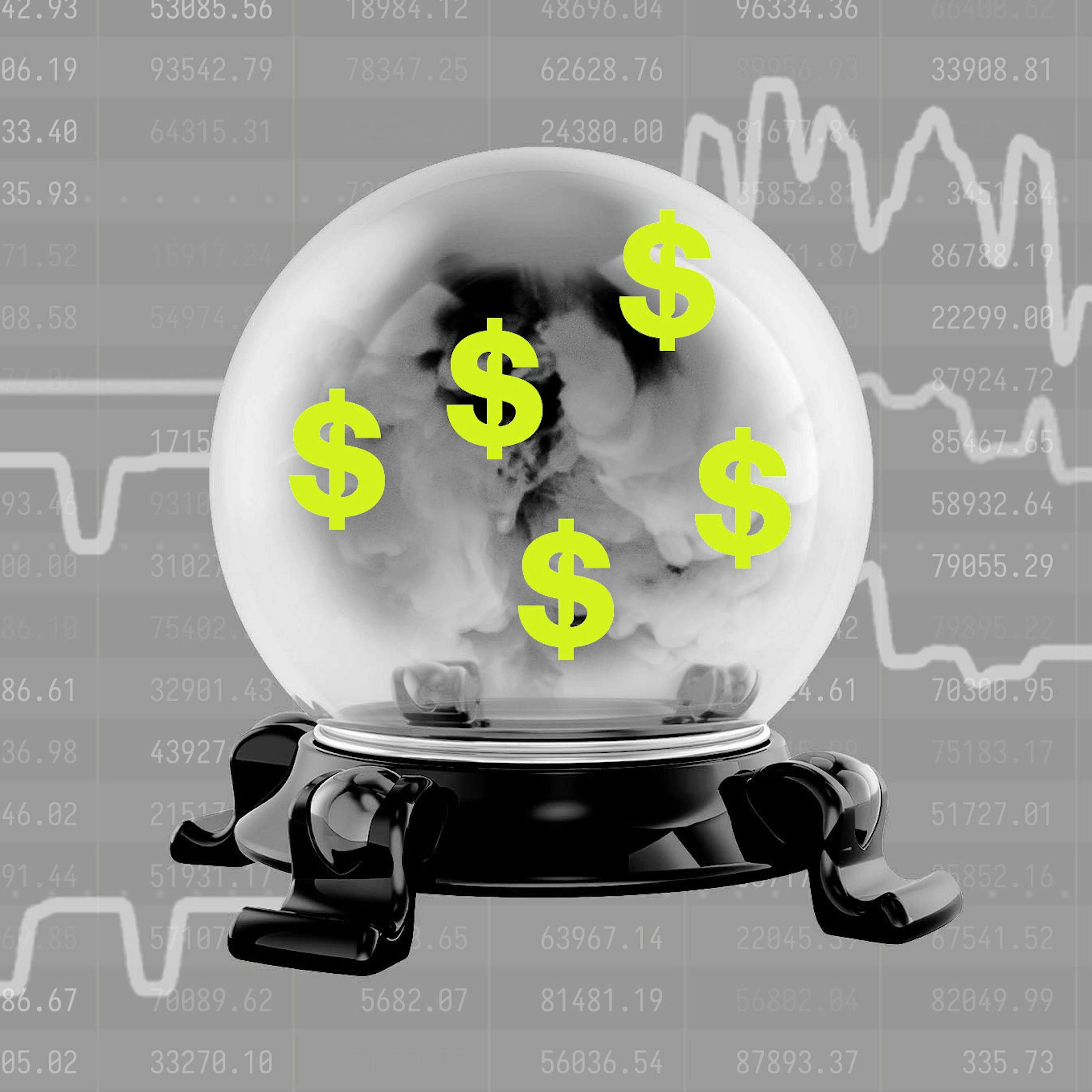
Unlike securities, there's a debate where some argue insider trading enhances prediction market accuracy, fulfilling their core purpose. This philosophical schism complicates regulation, as the "harm" is unclear, leaving platforms to self-police a practice some users actively defend as beneficial.

Jane Street is accused of using inside information to trade against Terra/Luna. However, since the blockchain is public, it's possible their actions were based on sophisticated, real-time monitoring of liquidity pools, which mimics insider knowledge and creates a legal gray area.

The HUMM Group board delayed disclosing a superior third-party takeover bid until after an activist challenge. This strategic timing served to "cleanse" the chairman of material non-public information, legally permitting him to immediately buy more shares and entrench his position.

The integrity of prediction markets is threatened when individuals can bet on events using non-public information, like knowledge of an impending military operation. This behavior mirrors insider trading and poses a significant ethical and regulatory challenge for the industry.

Massive, perfectly timed bets on oil and S&P futures just before Trump's market-moving social media posts indicate potential insider trading. This threatens to shatter the core principle of fair markets, which is the bedrock of the entire economy.