Get your free personalized podcast brief
We scan new podcasts and send you the top 5 insights daily.
The practical reason to ban insider trading is to preserve market health. Beyond moral fairness, if participants believe a market is rigged, those without an informational edge will stop trading. This exodus destroys liquidity and ultimately causes the market to fail, making fairness a requirement for survival.

Related Insights
Traditional sports betting allows insiders to exploit static odds. In a liquid prediction market, a large bet based on inside information immediately moves the odds, reflecting that knowledge in the price and eliminating the arbitrage opportunity for the insider.
The case of a trader profiting from advance knowledge of an event highlights a core dilemma in prediction markets. While insider trading undermines fairness for most participants, it also improves the market's primary function—to accurately forecast the future—by pricing in privileged information.

A key negative legacy of the Trump administration is the perceived disintegration of capital market integrity. By creating an environment where white-collar crime and insider trading seem permissible, it undermines the market's core function of efficient capital allocation, harming both short-sellers and fundamental investors.

Prediction markets thrive on information asymmetry, mirroring the stock market before 2000's Regulation FD, when selective disclosure was common. This structure means 'sharps' with privileged information will consistently profit from 'squares' (the public), making it difficult for casual participants.
Industry leaders claim to oppose insider trading, but their core value proposition of getting "news before it happens" is fundamentally dependent on insiders leaking information through their trades. This creates an irreconcilable conflict between their public stance and their actual business model.
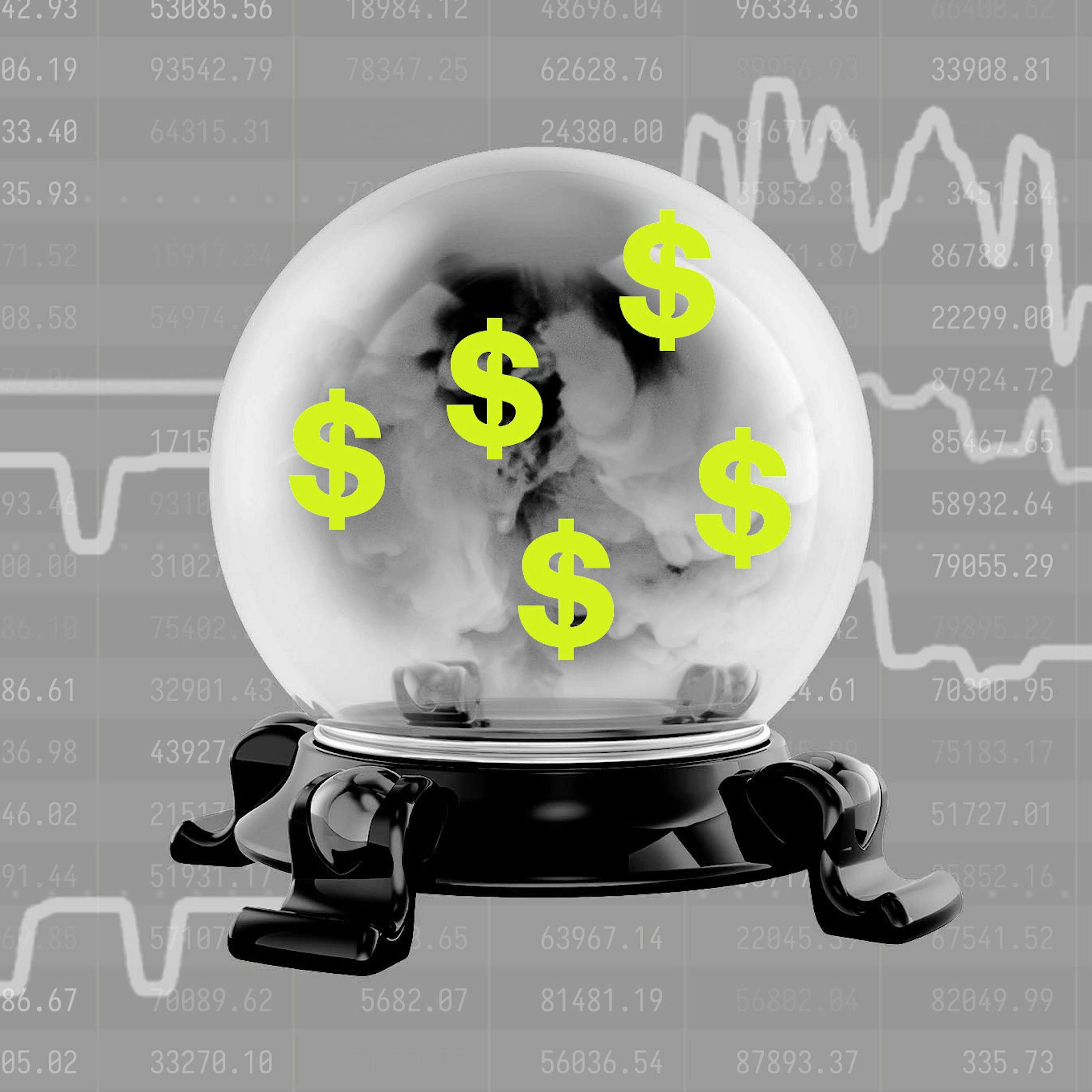
Even markets seen as bastions of pure capitalism, like Wall Street, are heavily structured with rules like trading hours, circuit breakers, and insider trading laws. The field of "market design" shows that economies aren't natural phenomena but are intentionally structured, whether for kidneys, stocks, or raisins.

Unlike securities, there's a debate where some argue insider trading enhances prediction market accuracy, fulfilling their core purpose. This philosophical schism complicates regulation, as the "harm" is unclear, leaving platforms to self-police a practice some users actively defend as beneficial.

The integrity of prediction markets is threatened when individuals can bet on events using non-public information, like knowledge of an impending military operation. This behavior mirrors insider trading and poses a significant ethical and regulatory challenge for the industry.

The value of prediction markets comes from aggregating all information, including non-public insights. However, as the Maduro raid case shows, they must actively identify and report illegal insider trading to maintain regulatory compliance and legitimacy, creating a difficult balancing act.

Thomas Peterffy argues society benefits from information being released as quickly as possible. Rather than prosecuting individuals, he believes markets should be allowed to incorporate all knowable information immediately, even if it comes from insiders, to achieve maximum efficiency.