Get your free personalized podcast brief
We scan new podcasts and send you the top 5 insights daily.
In a populist era, political objectives are increasingly defined by simply stopping the rival party rather than advancing a specific vision. This "negative partisanship" leads to proposals designed to neutralize the opposition's power, not solve national problems.

Related Insights
A political party might intentionally trigger a government shutdown not to win policy concessions, but to create a public narrative of a dysfunctional opposition. The true victory isn't legislative but reputational, aiming to sway voters in upcoming elections by making the ruling party look incompetent.

In populist eras, political discourse shifts from logic to emotion. People align with tribes, dehumanize opponents, and make decisions based on what feels right for their group. This makes rational, unifying solutions nearly impossible as the focus is on winning for one's team.

Senator Cory Booker describes a "political industrial complex" where actors on the political fringes benefit from constant, sclerotic conflict. This dynamic prevents the 75% of Americans who agree on major issues from seeing their will translated into policy, as gridlock is profitable for some.

The goal of modern populist movements has shifted from winning elections to establishing permanent dominance. This is achieved by creating a mandate to prosecute and imprison political opponents, dismantling the norm of peaceful power transitions in favor of winner-take-all retribution.

Political parties now adopt positions primarily to oppose their rivals, rather than from consistent principles. This is seen in the multiple reversals on COVID-19 policies and vaccines. When beliefs flip-flop based on the opponent's stance, the driving force is tribalism, not ideology.

In populist moments, leaders often abandon the idea of compromise and instead treat the opposing side as an enemy to be defeated. Language describing American cities as "war zones" or "training grounds" reveals this divisive mindset, which prioritizes conflict over unity.

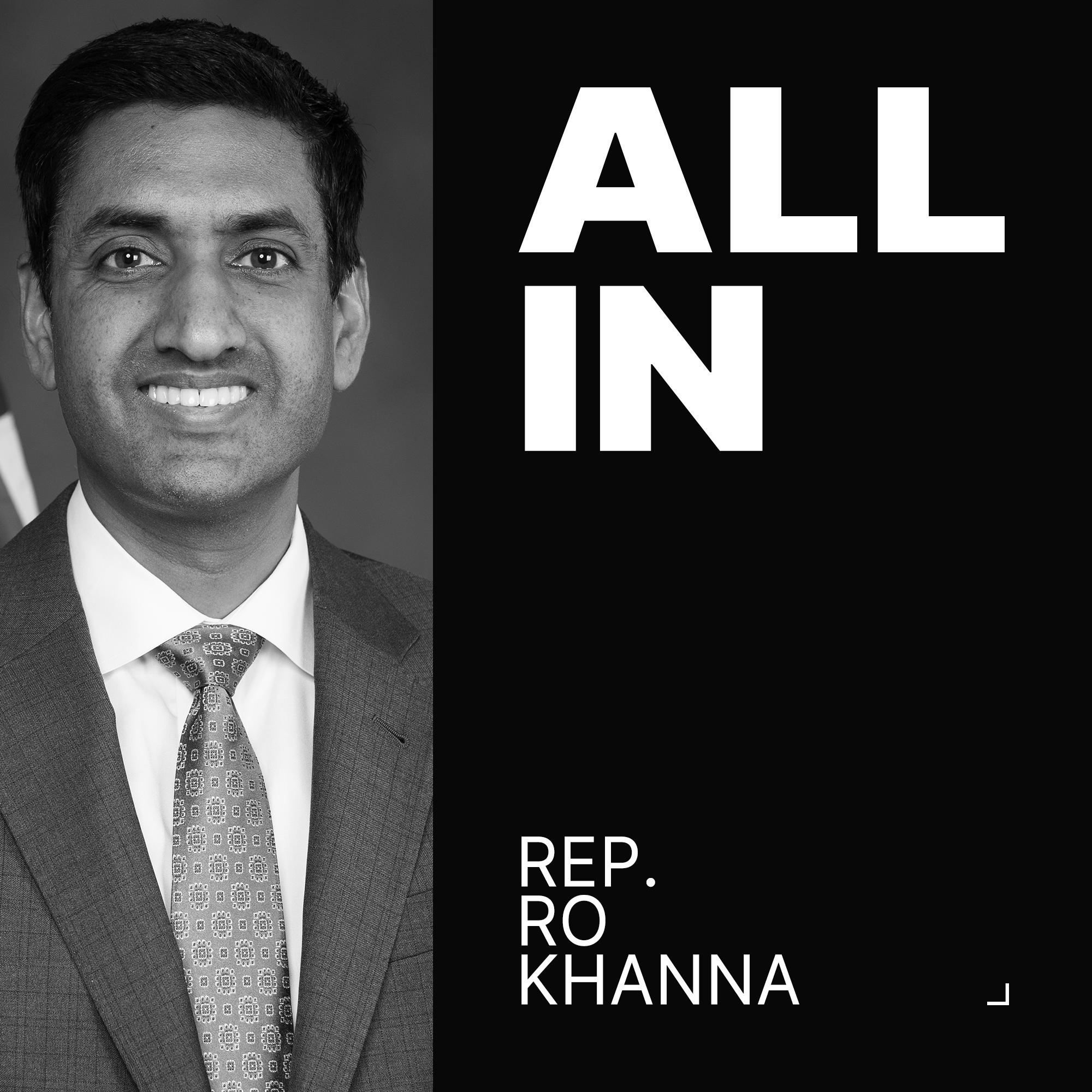
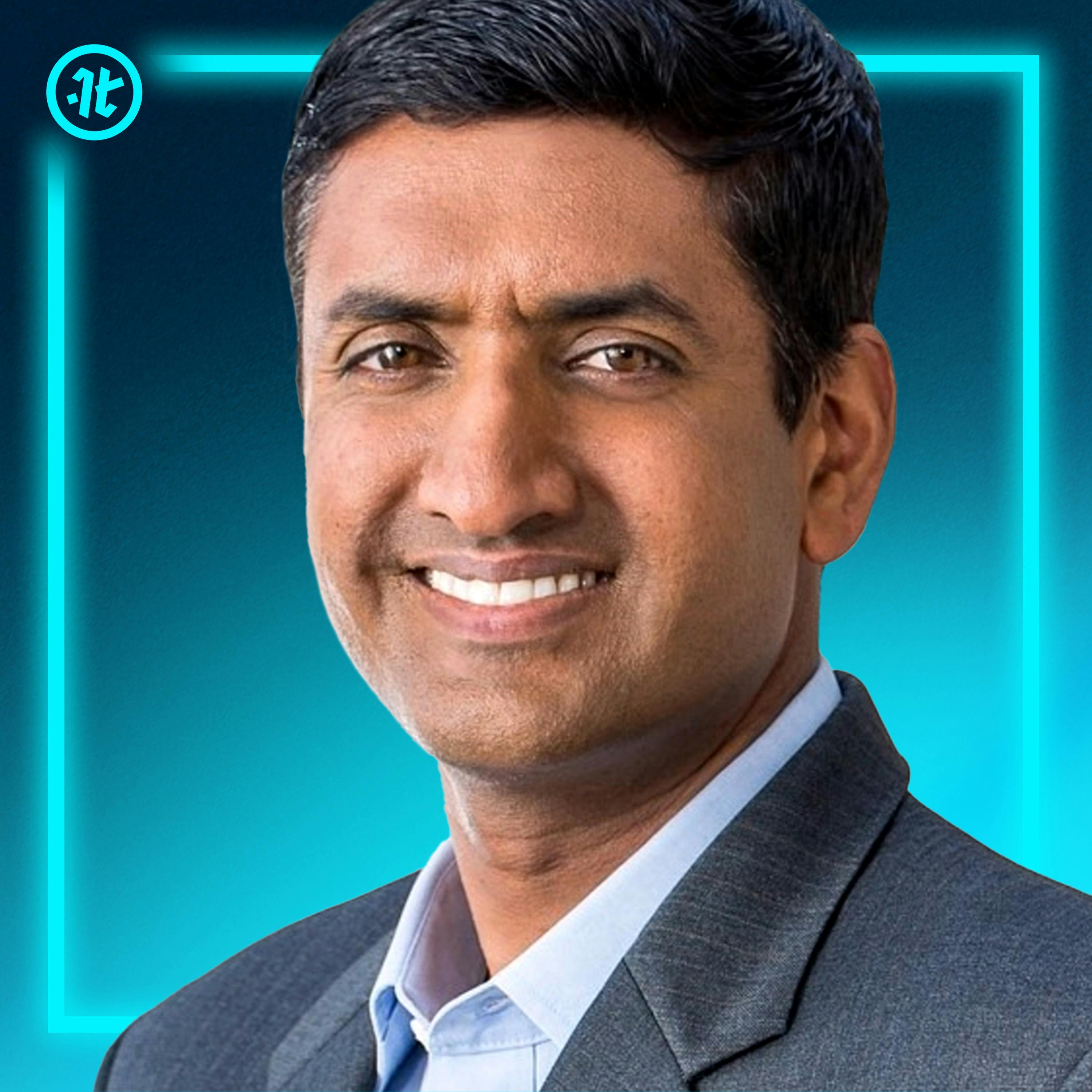
Congressman Ro Khanna argues that the primary corrupting force in American politics has shifted from money to hate and extremism. The modern attention economy rewards divisive behavior with media coverage and base support, making rational, bipartisan compromise a politically costly strategy.
The best political outcomes emerge when an opposing party acts as a 'red team,' rigorously challenging policy ideas. When one side abandons substantive policy debate, the entire system's ability to solve complex problems degrades because ideas are no longer pressure-tested against honest opposition.

In times of economic inequality, people are psychologically driven to vote for policies that punish a perceived enemy—like the wealthy or immigrants—rather than those that directly aid the poor. This powerful emotional desire for anger and a villain fuels populist leaders.
The psychological engine of populism is the zero-sum fallacy. It frames every issue—trade deficits, immigration, university admissions—as a win-lose scenario. This narrative, where one group's success must come at another's expense, fosters the protectionist and resentful attitudes that populist leaders exploit.