Get your free personalized podcast brief
We scan new podcasts and send you the top 5 insights daily.
Hermes avoids the volatility of the "aspirational" luxury market (which has ~1% growth) by exclusively serving the ultra-wealthy. This top 0.1% segment grows at nearly 10% annually, is recession-resistant, and protects the brand from the overexposure that plagues other luxury players.

Related Insights
After decades of unsustainable growth that 'spoiled' the industry, the next phase is not a 'new normal' but a return to core principles. True luxury is about re-establishing exclusivity, selectivity, high value, and dream-like experiences, rather than chasing endless expansion and diluting the brand.

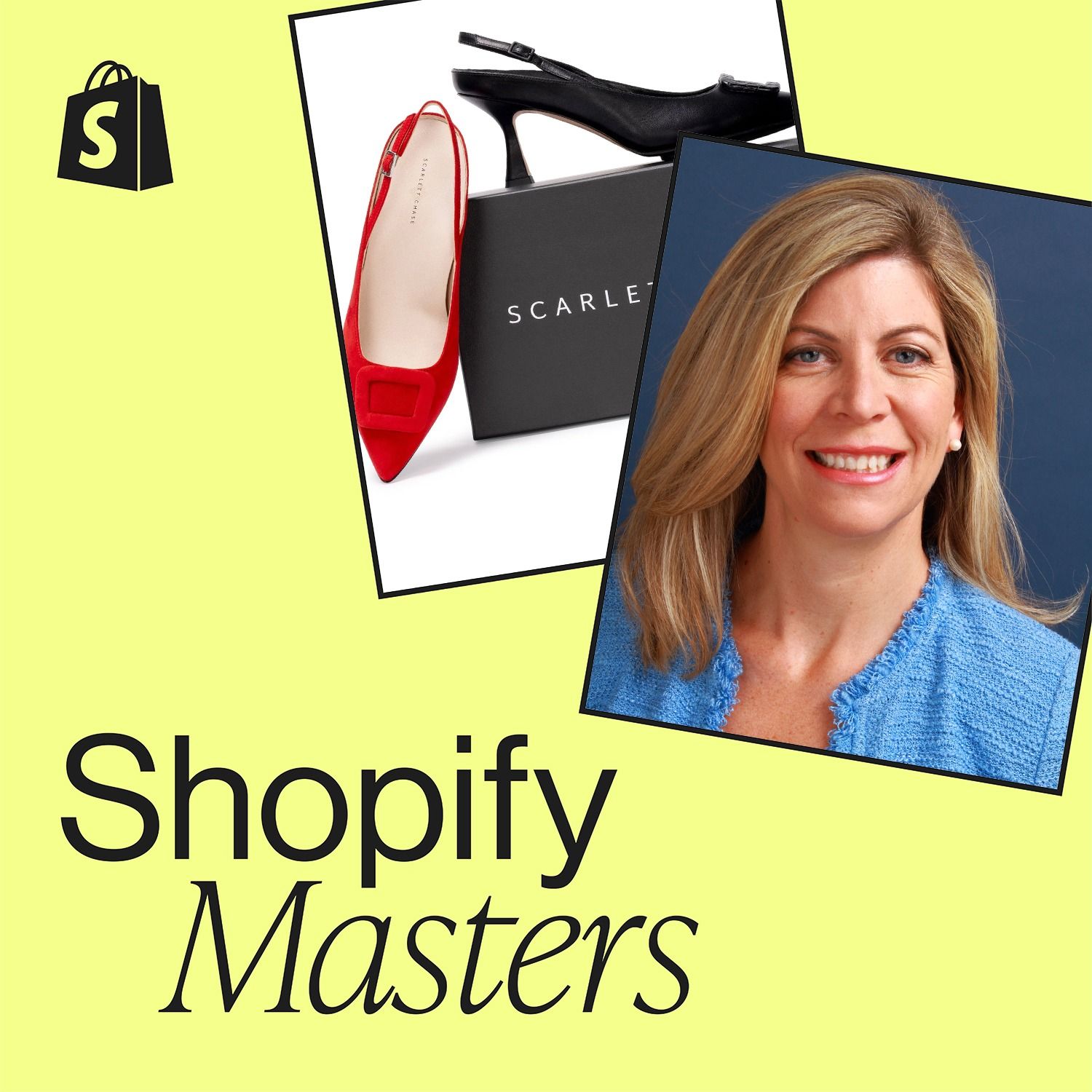
Instead of lowering prices to capture a wider audience, Scarlet Chase embraces a high-end niche. The founder's philosophy is that diluting the product's quality for broader appeal is a mistake. The strategy is to deliver exceptional value to a focused group of customers who can afford and appreciate the investment.
For luxury brands, raising prices is a strategic tool to enhance brand perception. Unlike mass-market goods where high prices deter buyers, in luxury, price hikes increase desirability and signal exclusivity. This reinforces the brand's elite status and makes it more coveted.
Luxury travel brands can avoid commoditization by emulating Hermès. This involves maintaining scarcity (like waiting lists for bags), implementing moderate and sensible price increases, and preserving an exclusive, high-touch customer experience. This strategy builds long-term brand value over short-term volume growth.

Ferrari's brand strategy is unique among luxury goods. It leverages scarcity like Hermès but also cultivates a massive, global fanbase like a major sports team. This fan worship, from people who will never own a car, enhances the brand's appeal and value to the clients who actually can, creating a powerful, self-reinforcing moat.

By pursuing aspirational, "one-off" customers instead of focusing exclusively on the ultra-wealthy, the luxury travel sector is expanding into a fragile market segment. This strategy mirrors the over-expansion that made luxury goods brands vulnerable to economic downturns and brand dilution.
Unlike most industries obsessed with youth, luxury travel's business model is built around older, wealthy clients. This creates a reverse blind spot: they are failing to cultivate the next generation of ultra-high-net-worth consumers, creating a future business risk.

Unlike other luxury brands that rely solely on scarcity (like Hermes), Ferrari uniquely fuses this with a massive, passionate fan base from its Formula 1 racing team. This fandom enhances the brand's appeal to ultra-wealthy clients, creating a powerful, self-reinforcing dynamic that competitors cannot easily replicate.

Businesses can build a moat by either manufacturing scarcity to create exclusivity and pricing power (like Hermes) or by systematically eliminating it to offer unbeatable prices and volume (like Costco). Both are deliberate strategic choices that leverage the same economic principle in opposite ways.
Top compounders intentionally target and dominate small, slow-growing niche markets. These markets are unattractive to large private equity firms, allowing the compounder to build a durable competitive advantage and pricing power with little interference from deep-pocketed rivals.