Get your free personalized podcast brief
We scan new podcasts and send you the top 5 insights daily.
Failing out of film school and working low-wage jobs before taking a major financial risk to pursue engineering gave one engineer a unique drive. This unconventional path fostered a level of resilience not always found in traditional career trajectories.

Related Insights
The Profound CEO's decision to start a door-to-door gold-selling business instead of attending university was a formative "breakout of the matrix moment." This early, unconventional success instilled a deep-seated belief that one can forge their own path without following a traditional script.
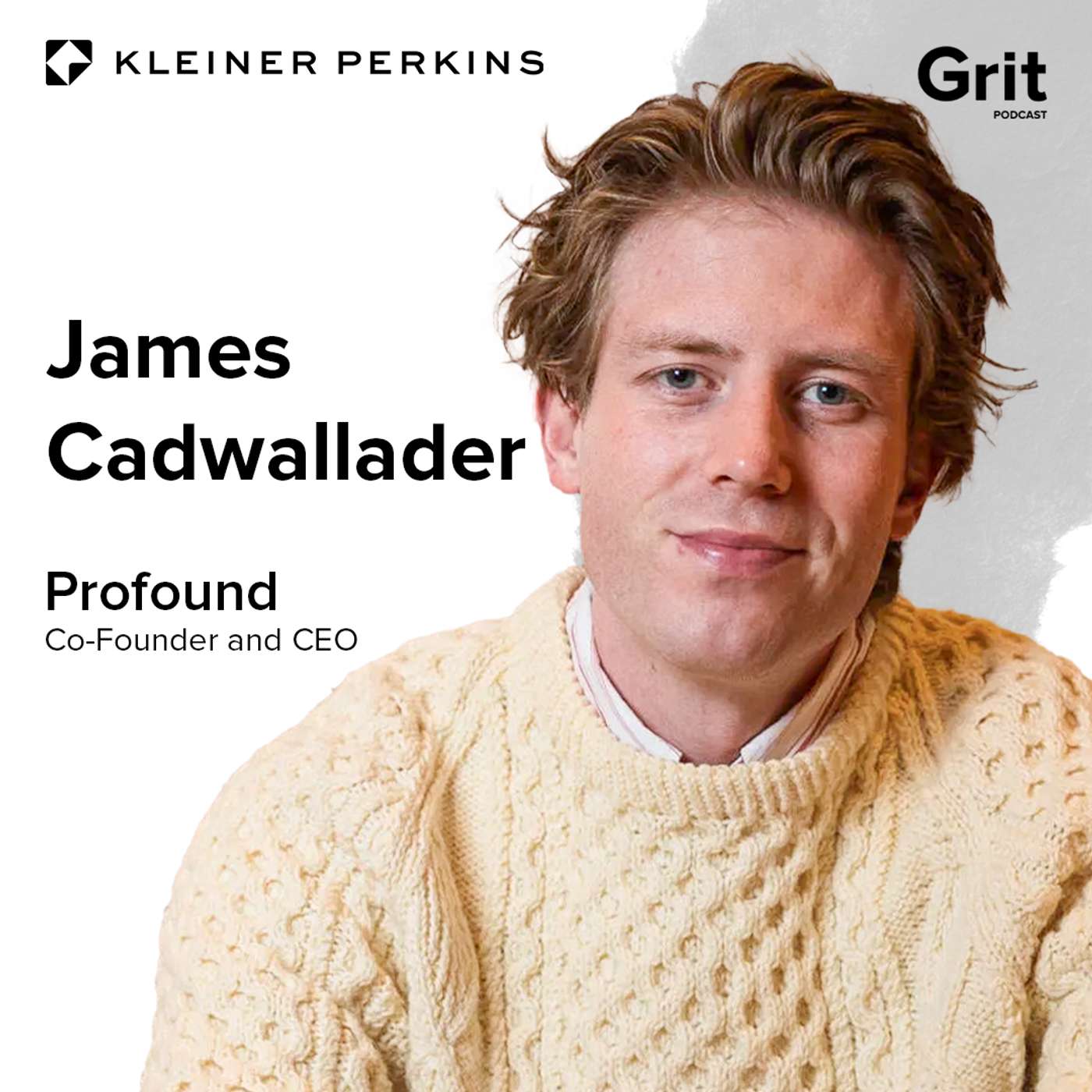
For young people pursuing non-traditional careers, parental discomfort is a preferable outcome to seeking approval. If you succeed, their pride is immense. If you fail, you learn to operate without their validation. Both outcomes build crucial entrepreneurial resilience.

Daniel Lowther's journey from an autoimmunity PhD to a biomarkers director at GSK wasn't linear. He advanced by opportunistically moving into adjacent fields like brain cancer, self-taught coding, and even IT, proving a winding path can build a uniquely diverse and valuable skill set.

Major career pivots are not always driven by logic or market data. A deeply personal and seemingly unrelated experience, like being emotionally moved by a film (Oppenheimer), can act as the catalyst to overcome years of resistance and commit to a challenging path one had previously sworn off.

Societal structures like the education system are designed for the average person. If you're in an outlier situation (e.g., poverty, family crisis), you must create your own unconventional path, as standard advice and timelines won't apply to your unique context.

Ryan Peterman, who became a top engineer at Instagram, initially failed his Facebook interview. The interviewer ended it early, stating he wasn't good enough. This demonstrates that a single, high-stakes interview performance is a poor predictor of long-term career success and resilience.

Frances Arnold’s rebellious youth—moving out at 15, waitressing, and driving a taxi—defies the typical prodigy narrative. She argues these "off-path" experiences are like "money in the bank," building resilience and providing a unique perspective that proved crucial for her later scientific breakthroughs.

Yang's early career was a series of stumbles: a failed startup, another company running out of money, and side hustles. He believes these repeated, smaller-scale failures toughened him up, building the resilience necessary to withstand the pressures of a presidential campaign.

Expecting to use advanced math and physics, an engineer was disappointed by the lack of rigor at his first job. He responded by creating a personal pact to apply deep engineering principles to his own work, actively seeking opportunities to use his full academic training.
Scientist Bede Ports shares that failing out of college, while difficult, built resilience and shaped his leadership. Recognizing he received a second chance that others might not, he consciously incorporates this experience into his mentorship of junior scientists, fostering a more empathetic approach.