Get your free personalized podcast brief
We scan new podcasts and send you the top 5 insights daily.
Society has "privatized" morality, expecting individuals to create ethical frameworks from scratch. This leaves generations "morally inarticulate," unable to process complex dilemmas because they lack a common vocabulary for concepts like sin or grace, making it hard to form moral judgments about leaders or their own lives.

Related Insights
A useful interpretation of Nietzsche's famous quote is not about religion itself, but the death of a society's unified value system. Without a common set of foundational beliefs, factions can no longer find common ground, leading to the "horrific consequences" of intractable conflict.

People often frame a person's situation as a "choice" to justify punishment or unsympathetic treatment. This linguistic move shifts blame onto the individual, providing a moral license to enact punishment. This pattern is prevalent in contexts ranging from airline policies to broader political discourse.

Educational institutions once saw their primary role as moral formation—creating graduates who were "invaluable at a shipwreck." By abandoning this focus, they no longer teach essential life skills like how to have a difficult conversation, criticize respectfully, or sit with someone who is grieving.
To hold leaders accountable, a nation must agree on a core set of values. Without this shared ethos, politics devolves into tribalism where each side justifies any action, making it impossible to remove a leader for violating principles that are no longer commonly held.

Psychological theory suggests the public "typecasts" powerful figures like CEOs as moral agents, perceiving them as less capable of suffering. Simultaneously, they see themselves as moral patients or victims of the system, which explains the lack of empathy when elites are attacked.

There's a vast distance between knowing something is wrong and acting on it. Like modern people walking past the homeless or eating meat despite ethical concerns, societies for centuries possessed the moral insight that slavery was wrong but did nothing. Successful movements are the rare exception, not the norm.
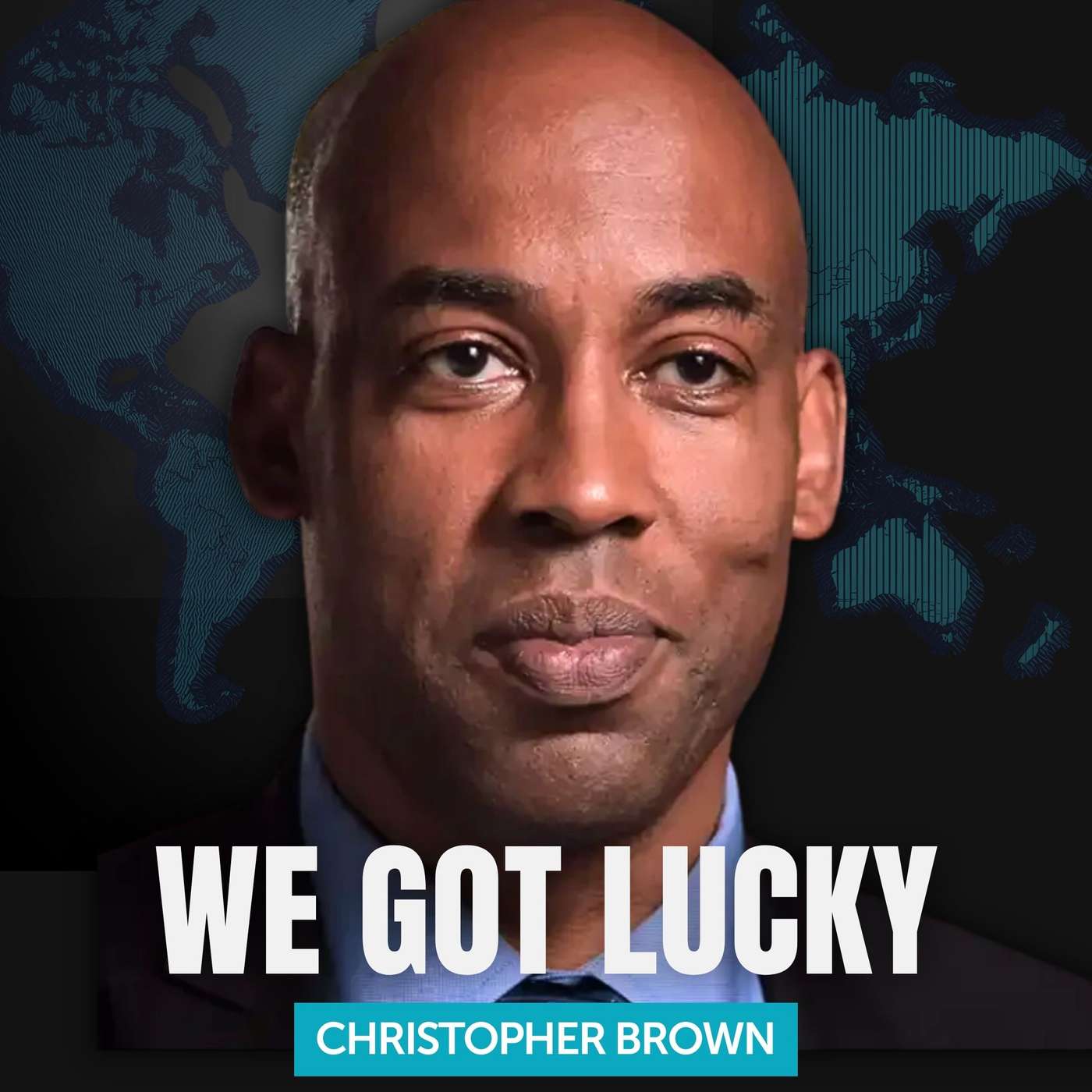
Using politics to enforce moral beliefs is an easy way to feel righteous without making personal sacrifices. A more integrated ethic involves taking direct action. Instead of just advocating for a policy, personally engage with the issue—like supporting an immigrant family. This real-world experience tempers ideological extremes.

Despite major political scandals, much of the public remains unalarmed because their daily routines feel unchanged. The abstract nature of high-level corruption fails to register as an immediate threat when life seems normal, preventing a collective sense of shock or awakening.
Constant exposure to scandals and amoral leaders creates a deep societal yearning for basic decency and good character in public figures. The value of having trustworthy role models in power becomes starkly apparent only in their absence, making it an underrated commodity.

Society functions because humans cooperate based on shared beliefs like values or religion. These systems act as a shorthand for trust and alignment, allowing cooperation between strangers. This makes the erosion of a common value set the most significant threat to societal cohesion.
