Get your free personalized podcast brief
We scan new podcasts and send you the top 5 insights daily.
The primary hurdle for the entire biologics field is enhancing the therapeutic index (efficacy vs. toxicity). Because most conditions like cancer and autoimmune disorders are 'diseases of self,' therapeutics often have on-target, off-tumor effects. This fundamental problem drives the need for innovations like masking and conditional activation.

Related Insights
Previous IL-2 therapies from companies like Nektar and Synthorix broadly targeted beta and gamma receptors, which proved clinically ineffective. Synthakyne represents a strategic shift, designing molecules to selectively target the trimeric alpha-beta-gamma receptor found on potent, antigen-activated T cells, avoiding widespread, toxic stimulation.
The debate isn't about peptides replacing antibodies but about combining them. The future lies in hybrid therapeutics, such as grafting peptides into antibody CDRs or creating fusions that use a peptide for optimal target binding and an antibody scaffold for effector functions, half-life extension, and stability.
To overcome on-target, off-tumor toxicity, LabGenius designs antibodies that act like biological computers. These molecules "sample" the density of target receptors on a cell's surface and are engineered to activate and kill only when a specific threshold is met, distinguishing high-expression cancer cells from low-expression healthy cells.
The drug's mechanism avoids maximum suppression, instead aiming for a precise balance—"not too much, not too little." This "Goldilocks" approach to intercepting BAF and APRIL cytokines is key to resolving inflammation and stabilizing kidney function without causing excessive immunosuppression, a critical differentiator in autoimmune therapies.

A-muto suggests many drug programs fail due to toxicity from hitting the wrong epitope, not a flawed biological concept. By identifying and targeting a structural epitope unique to the diseased state of the same protein, these previously abandoned but promising therapies could be salvaged.

Despite significant progress in managing symptoms for autoimmune conditions, very few treatments fundamentally alter the disease's course. The major unmet needs and investment opportunities lie in therapies that can induce remission or target common underlying pathologies like fibrosis, moving beyond mere symptom relief.
The excitement around ICOS agonists for activating effector T-cells ignored a critical biological nuance: ICOS is also highly expressed on suppressive T-regulatory cells. Dr. Radvanyi notes this oversight led to therapies that inadvertently activated the very cells they aimed to overcome, a cautionary tale on scientific dogma.

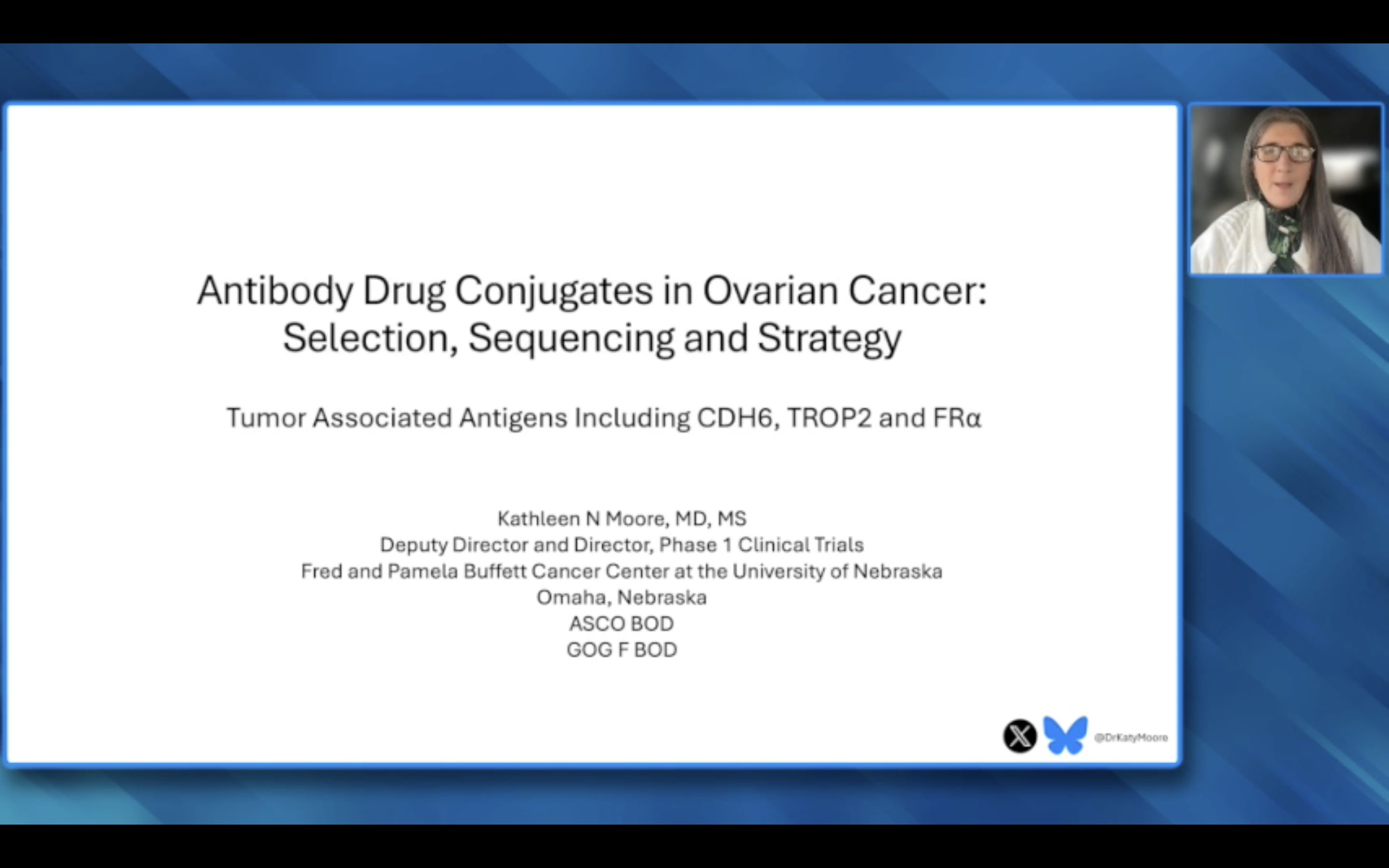
As multiple effective Antibody-Drug Conjugates (ADCs) become available, the primary clinical challenge is no longer *if* they work, but *how* to use them best. Key unanswered questions involve optimal sequencing, dosing for treatment versus maintenance, and overall length of therapy, mirroring issues already seen in breast cancer.
Dr. Radvanyi explains that immune agonist drugs often fail because accelerating a biological pathway is inherently less controllable than inhibiting one. This is analogous to genetic knockouts being more straightforward than over-expression models, presenting a core challenge in drug development beyond just finding the right target.
Bi-specific T-cell engagers (BiTEs) are highly immunogenic because the mechanism activating T-cells to kill cancer also primes them to mount an immune response against the drug itself. This 'collateral effect' is an inherent design challenge for this drug class.
