Get your free personalized podcast brief
We scan new podcasts and send you the top 5 insights daily.
Bruce MacDonald applies philosopher Søren Kierkegaard's concept of faith—that it requires constant questioning—to investing. This means maintaining conviction in an investment while simultaneously and relentlessly probing for what could go wrong, a central tenet of his risk management process.

Related Insights
Regularly re-evaluate your investment theses. Stubbornly holding onto an initial belief despite new, contradictory information can lead to significant losses. This framework encourages adaptation by forcing you to re-earn your conviction at regular intervals, preventing belief calcification.

Philosopher Søren Kierkegaard, who spent his inheritance to fund his own writing, provides the ultimate test for professional passion: "Would you pay to do what you do?" This question starkly separates those driven by a love for the process from those motivated solely by monetary reward.

Ray Dalio's counterintuitive principle suggests that worrying is a productive tool. By actively worrying about potential problems, you are prompted to address them, thus preventing the negative outcomes you fear. Conversely, a lack of worry leads to complacency and unpreparedness for inevitable challenges.

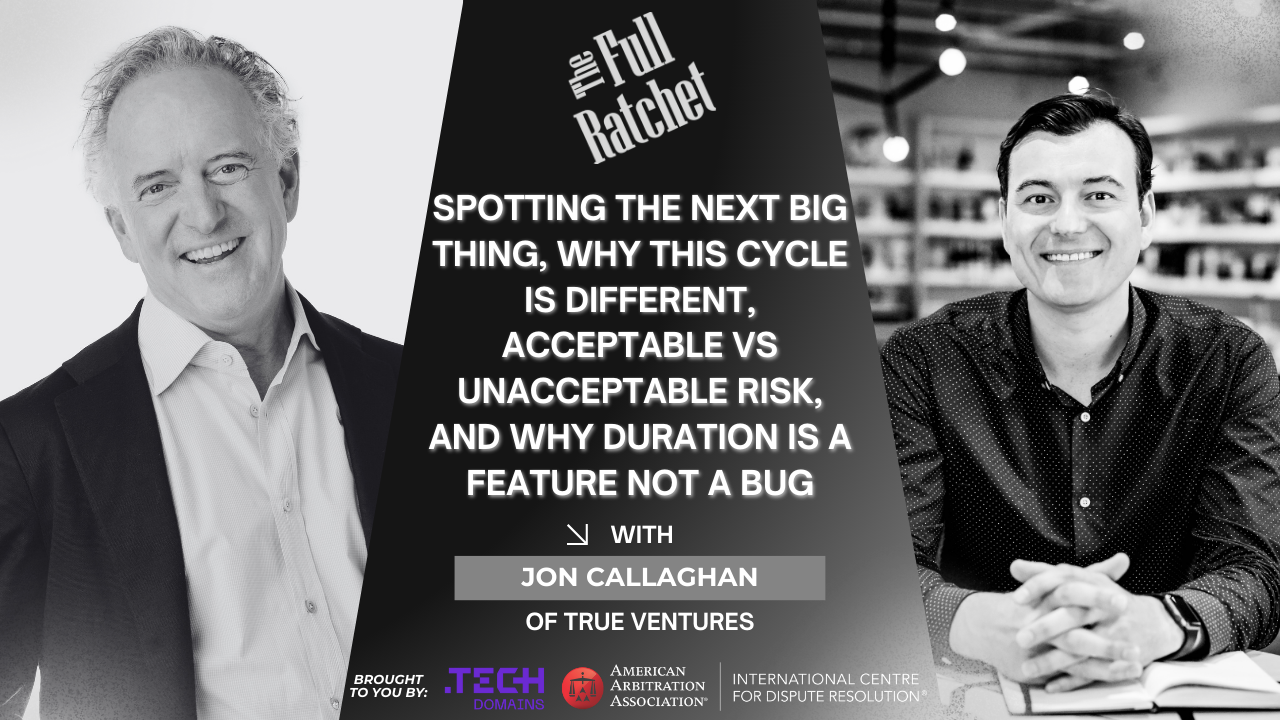
In VC, where being wrong is the norm (80%+ of the time), the most critical trait is not righteousness but deep curiosity. This learning-first mindset is what uncovers non-obvious opportunities and allows investors to see future market shifts before they become mainstream, according to True Ventures' Jon Callaghan.
Skepticism isn't just doubting religion; it's recognizing that certain human knowledge is impossible in any domain, including science and ethics. This forces us to rely on a form of faith or hope to make decisions and live, as reason alone is insufficient for life's biggest questions.

In 2008, Howard Marks invested billions with conviction while markets crashed, yet he wasn't certain of the outcome. He held the paradox of needing to act decisively against the crowd while simultaneously accepting the real possibility of being wrong. This mental balance is crucial for high-stakes decisions.
A 'thesis' is a belief to be defended, leading to confirmation bias. A 'hypothesis' is a quantitatively falsifiable statement that invites challenge. This simple linguistic shift fosters a culture of actively seeking disconfirming evidence, leading to more rational investment decisions.
Our brains are wired to find evidence that supports our existing beliefs. To counteract this dangerous bias in investing, actively search for dissenting opinions and information that challenge your thesis. A crucial question to ask is, 'What would need to happen for me to be wrong about this investment?'

Before committing capital, professional investors rigorously challenge their own assumptions. They actively ask, "If I'm wrong, why?" This process of stress-testing an idea helps avoid costly mistakes and strengthens the final thesis.

A core discipline from risk arbitrage is to precisely understand and quantify the potential downside before investing. By knowing exactly 'why we're going to lose money' and what that loss looks like, investors can better set probabilities and make more disciplined, unemotional decisions.
