Get your free personalized podcast brief
We scan new podcasts and send you the top 5 insights daily.
An MSL's role with a Key Opinion Leader (KOL) is partnership, not education. Presenting a KOL's own published research back to them is a waste of time. The focus should be on co-creating solutions to serve patients, treating the healthcare provider as a partner in a shared journey, not a student.

Related Insights
A critical mistake in content creation for sales is leading with a product pitch. Instead, content should share insights that highlight a customer's problem, sparking a conversation. This strategy positions the salesperson as a trusted advisor who guides the buyer to the solution, rather than just a vendor pushing a product.

The true value of a Medical Science Liaison (MSL) lies in preparing the entire healthcare system for better care, not just educating individual physicians. This means focusing on systemic changes like improving diagnostic pathways or guideline implementation. Science is only powerful when it moves systems, not just conversations.
In regulated spaces like healthcare, product managers must move beyond surface-level collaboration. They need to develop deep domain knowledge and partner with clinicians who are embedded in the product process, co-writing requirements and ideating on solutions, not just acting as consultants.

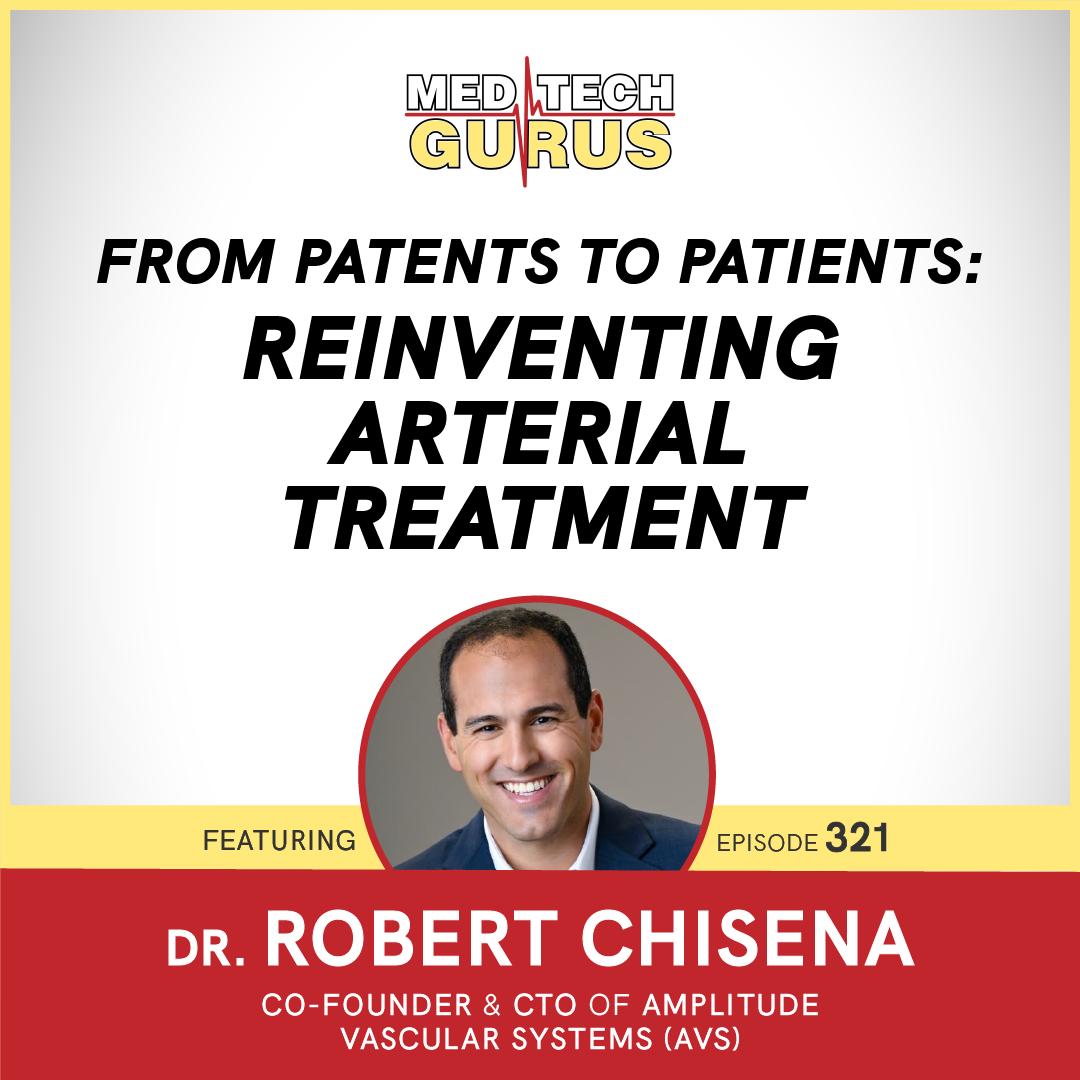
The most critical role for a physician co-founder extends beyond the initial idea. They must act as the primary evangelist and validator, sharing the engineering progress with their peers to ensure the device's design and function align with the broader clinical community's needs and vision.
To get higher-quality input from busy medical experts, use specialized AI tools like Consensus.app to review scientific literature first. Then, present your tentative conclusions to the professional, demonstrating you've done the preliminary work, which encourages a more thoughtful and detailed response.

To prevent digital engagement from feeling robotic, teams must connect with the real world. Accompanying field reps on visits provides invaluable, direct feedback from HCPs, leading to more human-centric content formats like 30-second videos instead of text-heavy emails.
When patient engagement is owned by a single department, it's often treated as optional. To make it a core business driver, responsibility must be shared across R&D, medical, regulatory, and commercial teams. This requires a structural and cultural shift to become truly transformational for the organization.
Deep scientific knowledge is merely the entry fee for an MSL to meet with a physician. Building trust, demonstrating business acumen, and forging a genuine partnership focused on systemic patient care are the critical skills that create lasting value and justify staying in the room.
The public, and even family members, often view pharmaceutical roles through the simplistic and negative lens of sales. This perception gap is a primary communication challenge for Medical Science Liaisons (MSLs), who must first educate others on their scientific, non-promotional function before their value can be understood.
Shift the first meeting's goal from gathering information ("discovery") to providing tangible value ("consultation"). Prospects agree to meetings when they expect to learn something useful for their role or company, just as patients expect insights from a doctor.