Get your free personalized podcast brief
We scan new podcasts and send you the top 5 insights daily.
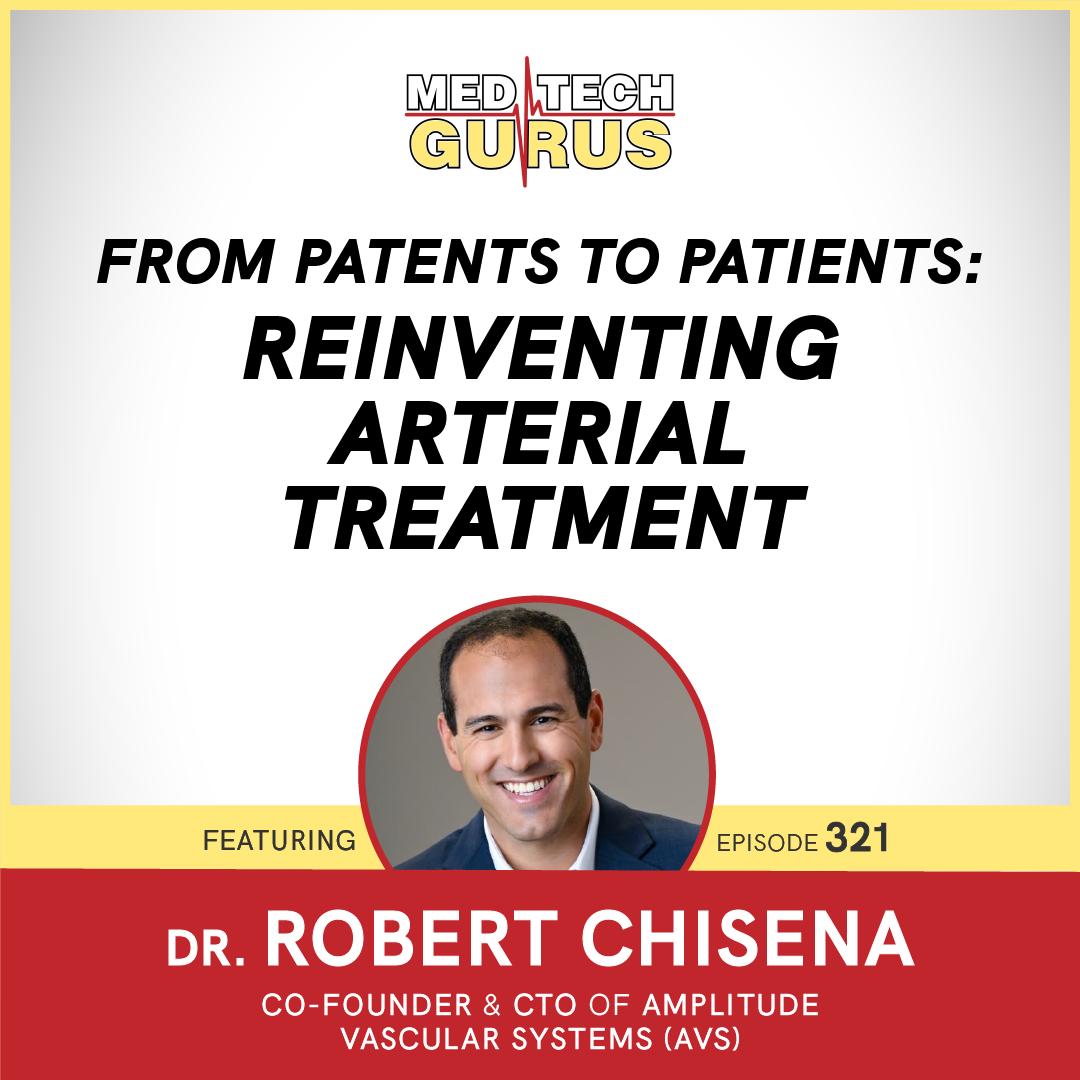
The most critical role for a physician co-founder extends beyond the initial idea. They must act as the primary evangelist and validator, sharing the engineering progress with their peers to ensure the device's design and function align with the broader clinical community's needs and vision.
Related Insights
Founder Taylor Algren's experience as a heart failure patient directly inspired his AI startup, EasyMedicine. This deep personal understanding allows him to build a more human-centric solution for chronic disease patients by authentically anticipating their struggles with the healthcare system.

For early-stage MedTech startups, key milestones for investors are not just regulatory successes. They are fundamental proofs of concept—showing the device works in a model and demonstrating how it would function in a clinical setting. This builds an investor's vision of the product's future.
Zyda raised funds primarily from urologists and urogynecologists. These clinician-investors already understood the market need, provided crucial industry connections (like finding a clinical trial investigator), and became influential early prescribers, dramatically accelerating market entry and validation.

Non-technical founders can attract technical co-founders by first building a manual, non-scalable version of their product. This creates a user base of passionate early adopters who are mission-aligned. The ideal co-founder is often among these first users, as they have already demonstrated belief in the solution.

Successful MedTech innovation starts by identifying a pressing, real-world clinical problem and then developing a solution. This 'problem-first' approach is more effective than creating a technology and searching for an application, a common pitfall for founders with academic backgrounds.
In regulated spaces like healthcare, product managers must move beyond surface-level collaboration. They need to develop deep domain knowledge and partner with clinicians who are embedded in the product process, co-writing requirements and ideating on solutions, not just acting as consultants.

Doximity's product development is 'unapologetically' focused on increasing doctor productivity and saving them time. This user-centric approach builds deep engagement and trust, creating the highly valuable physician audience that forms the foundation of its advertising-based business model.
![Doximity: The Hub of Healthcare - [Business Breakdowns, EP.236] thumbnail](https://megaphone.imgix.net/podcasts/8c0a2a5a-d167-11f0-a7b9-3f57504a8cb8/image/02ea26ff0b721939d29f31ed5fa60266.jpg?ixlib=rails-4.3.1&max-w=3000&max-h=3000&fit=crop&auto=format,compress)
Technical competence is the easiest part of a technical co-founder to evaluate. The real risks lie in misaligned goals (lifestyle vs. unicorn), personality clashes, and incompatible work styles. Prioritize assessing these crucial "human" factors first.

A crucial piece of advice for biotech founders is to interact with patients as early as possible. This 'patient first' approach helps uncover unmet needs in their treatment journey, providing a more powerful and differentiated perspective than focusing solely on the scientific or commercial landscape.

The most impactful medical advances come from 'clinical scientists' who both see patients and work in the lab. This dual perspective provides a deep understanding of disease mechanisms and how to translate research into treatments, a model that Dr. Abelson believes is now under threat due to economic pressures.