Get your free personalized podcast brief
We scan new podcasts and send you the top 5 insights daily.
The "China Dream" for Western companies yields three distinct outcomes. Some, like Apple and Tesla, are sustained winners. Others, like Volkswagen, realized the dream but are now losing to local competition. A third group, including Microsoft, dreamed big but never achieved significant market success.

Related Insights
China's harsh, deflationary economic environment and intense domestic competition, while causing many companies to fail, effectively hones a select few into highly resilient and efficient champions. These survivors are now prepared for successful global expansion.
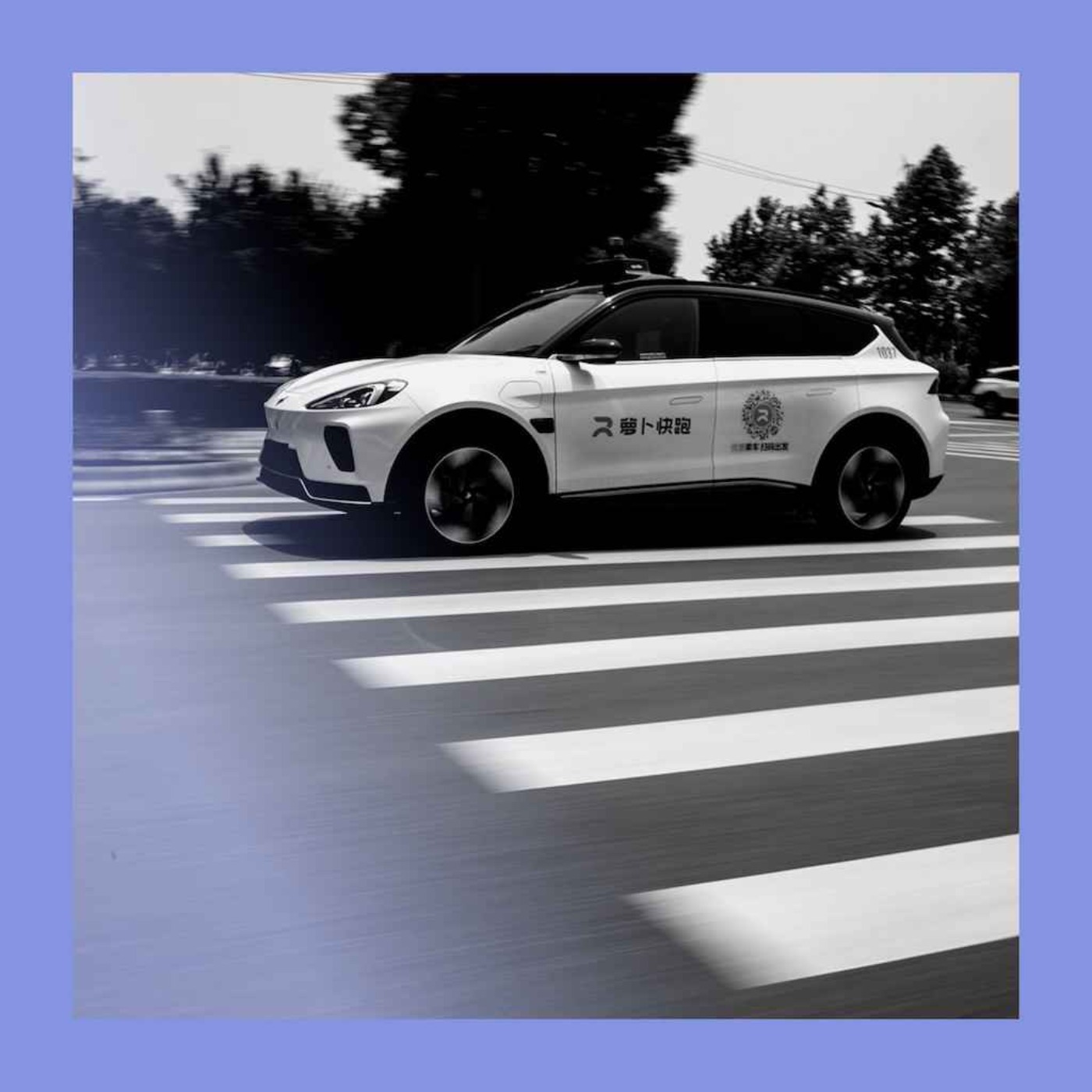
While Apple, valued in the trillions, abandoned its car project after a decade, Chinese electronics firm Xiaomi, worth a fraction as much, launched a record-beating electric vehicle in three years. This highlights the execution-focused, vertically integrated model that allows Chinese companies to out-maneuver wealthier but less agile Western competitors.
![Dan Wang - The US vs China In The 21st Century - [Invest Like the Best, EP.444] thumbnail](https://megaphone.imgix.net/podcasts/e1599a88-a9f6-11f0-b532-e3695bb27d60/image/0f5c07552cef2689e5834d56786ad6f1.jpg?ixlib=rails-4.3.1&max-w=3000&max-h=3000&fit=crop&auto=format,compress)
While the influx of Chinese EV brands like BYD into Europe gets attention, the greater financial damage to European manufacturers comes from losing market share within China itself. Chinese consumers are increasingly choosing local brands out of national pride, eroding a once-lucrative export market for companies like Porsche.

Despite significant geopolitical risks and domestic pressure to decouple, American companies cannot afford to exit the Chinese market. China is where global competitive standards are established and industry winners are decided. Leaving means becoming globally irrelevant and uncompetitive.

While China bans many US tech giants, it welcomed Tesla. A compelling theory suggests this was a strategic move to observe and learn Tesla's methods for mass-producing EVs at scale, thereby accelerating the development of domestic champions like BYD, mirroring its past strategy with Apple's iPhone.

Despite its limited direct commercial success in China, Microsoft's research lab became a premier training ground for local AI talent. Many alumni now lead major domestic AI firms like SenseTime and DeepSeek, illustrating how Western corporate investment can inadvertently nurture the very competitors it seeks to outperform.
Instead of building brands from scratch, Chinese manufacturing giants are acquiring struggling but historically significant Western companies. This strategy allows them to instantly inherit brand legacy, consumer trust, and market access that would otherwise take decades to develop.

China strategically skipped competing in established markets like internal combustion engines to focus on emerging technologies like electric vehicles. This allowed them to build a competitive advantage from the ground up, leveraging their domestic market and dense supply chains to become world leaders.
![John Arnold - China, Energy Markets and Fixing America's Systems - [Invest Like the Best, EP.461] thumbnail](https://megaphone.imgix.net/podcasts/8d466670-1755-11f1-baf2-dfb3d97a3978/image/4ec9ac82b5c7a937e9e90aa69d037805.jpg?ixlib=rails-4.3.1&max-w=3000&max-h=3000&fit=crop&auto=format,compress)
Contrary to the view of a monolithic state, China's economic strength comes from intense competition between its provinces. This hyper-local market forces companies to become incredibly resilient, and only the strongest, like BYD, survive to dominate globally.

China uses a systematic four-step process to dominate industries. First, it subsidizes over 100 entrants. Second, it allows intense domestic competition to find the strongest. Third, it consolidates all subsidized manufacturing capacity under the few winners for free. Finally, it unleashes these champions to conquer global markets.
