Get your free personalized podcast brief
We scan new podcasts and send you the top 5 insights daily.
Karen Hao compares AI companies to fossil fuel firms bankrolling climate science, noting they fund most AI researchers and thereby set research priorities. She cites Google firing Timnit Gebru and Margaret Mitchell after they co-wrote a paper on harmful large-language-model outcomes, in an attempt to stop its publication.

Related Insights
The narrative of uncontrollable AI serves large incumbents like OpenAI. They use fear to push for regulations that create high barriers to entry for competitors and shield them from liability, effectively building a government-protected moat around their business.

Fei-Fei Li expresses concern that the influx of commercial capital into AI isn't just creating pressure, but an "imbalanced resourcing" of academia. This starves universities of the compute and talent needed to pursue open, foundational science, potentially stifling the next wave of innovation that commercial labs build upon.

The negative public discourse around AI may be heavily influenced by a few tech billionaires funding a "Doomer Industrial Complex." Through organizations like the Future of Life Institute, they finance journalism fellowships and academic grants that consistently produce critical AI coverage, distorting the public debate.
Karen Hao calls AI companies empires because they claim data and intellectual property, land-grab data centers, exploit contract workers, and monopolize knowledge production. She says these practices let them operate at imperial scale while treating the public and policy understanding as theirs to directly control.
Key AI safety proponents, funded by investors like Dustin Moskovitz and Jaan Tallinn, have significant financial stakes in Anthropic and OpenAI. This creates a conflict of interest where their calls for regulation and safety directly benefit their investments by creating moats and justifying valuations.
Anthropic's restrictive policies, framed as safety measures, are alienating the AI research community. Critics argue these actions burn trust and hinder research, suggesting a strategic motive to control the field rather than a pure safety concern, a move likened to Apple's strategic use of privacy.

Large AI labs cynically use existential risk arguments, originally from 'effective altruist' communities, to lobby for regulations that stifle competition. This strategy aims to create monopolies by targeting open-source models and international rivals like China.

Karen Hao says Sam Altman and Dario Amodei pair worst-case catastrophe with best-case abundance. She argues this two-sided mythology lets AI companies claim only insiders can safely control the technology at every step, justifying an anti-democratic approach that shuts out public participation and democratic oversight.
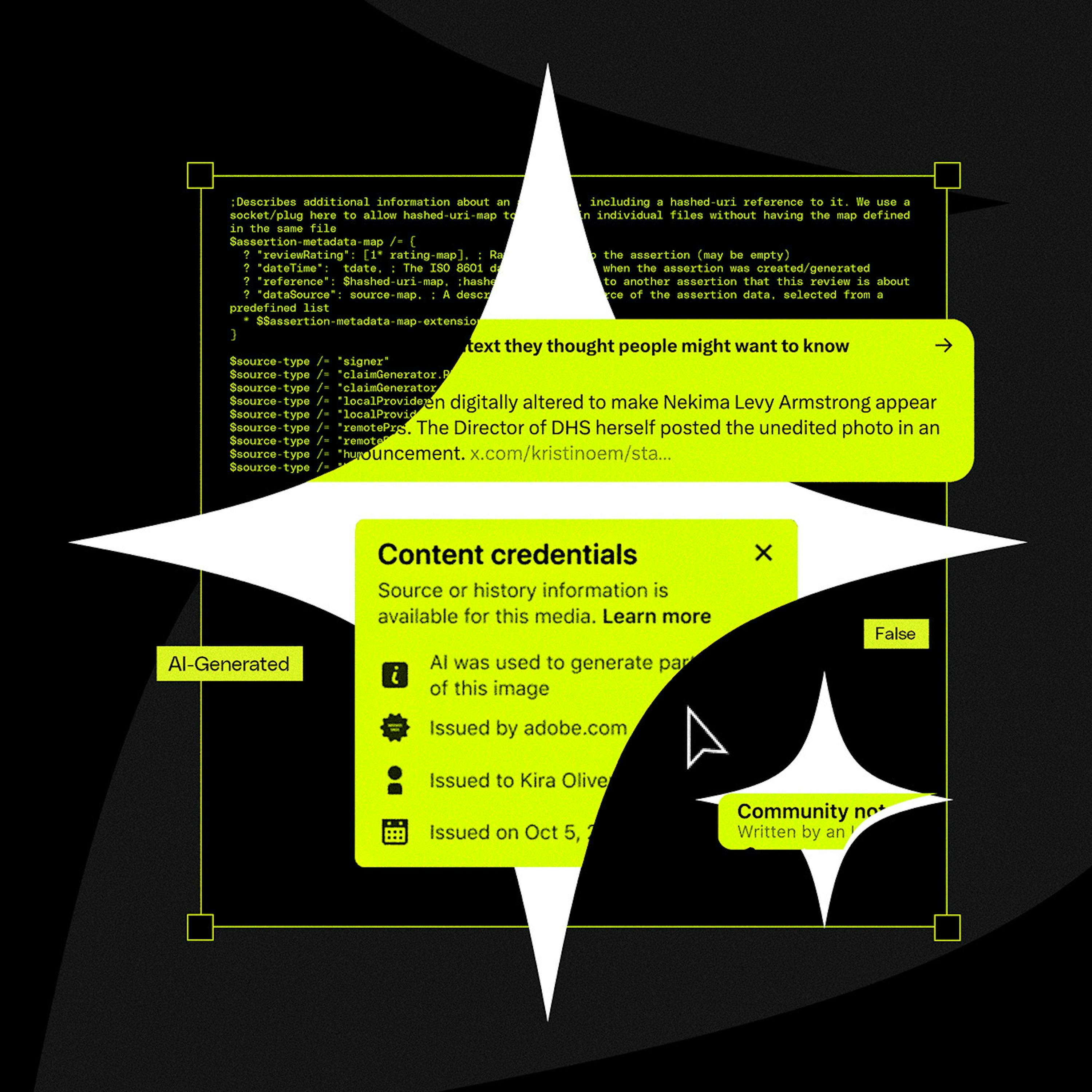
Companies like Google (YouTube) and Meta (Instagram) face a fundamental conflict: they invest billions in AI while running the platforms that would display AI labels. Aggressively labeling AI content would devalue their own technology investments, creating a powerful incentive to be slow and ineffective on implementation.
By employing or bankrolling a majority of AI researchers, large tech firms dictate the research agenda. They also censor or fire researchers, like Dr. Timnit Gebru at Google, whose work exposes the harms and limitations of their commercial models.
