Get your free personalized podcast brief
We scan new podcasts and send you the top 5 insights daily.
Instead of worrying about external factors like government favoritism or competitors' back-end deals, dedicate 100% of your energy to what you can control. Superior execution and talent can overcome systemic disadvantages and allow you to break through anyway.

Related Insights
Counter to the 'hustle culture' narrative, business failure often isn't due to insufficient hard work. It stems from entrepreneurs expending immense energy on ineffective activities. Success requires focusing on a handful of the right strategic actions rather than trying to do everything at once.

Hard work is an overrated success factor, ranking fourth or fifth in importance. The most critical variables are project selection (what you work on) and people selection (who you work with). Working hard in a bad market or with the wrong team yields limited returns. Choose your playing field first.

The greatest performers, from athletes to companies, are not just the most talented; they are the best at getting better faster. An obsession with root-cause analysis and a non-defensive commitment to improvement is the key to reaching otherwise unachievable levels of success.

The fundamental goal is to become a "better competitive alternative" for a specific customer—being so superior that they bypass competitors to choose you. Achieving this state is the business equivalent of the house advantage in a casino (“the house vig”) and the only reliable way to build a lasting enterprise.

Rockefeller attributed failure to a lack of concentration. He relentlessly focused on his business to the exclusion of all else, believing that mastering the art of concentrating on a single objective at the proper time is the key to monumental achievements.

Expecting life or business to be "fair" is a destructive mindset. Horowitz argues the most valuable lesson is accepting that nothing is fair—from birth circumstances to business deals. Success comes from dealing with reality as it is, not as you wish it were.

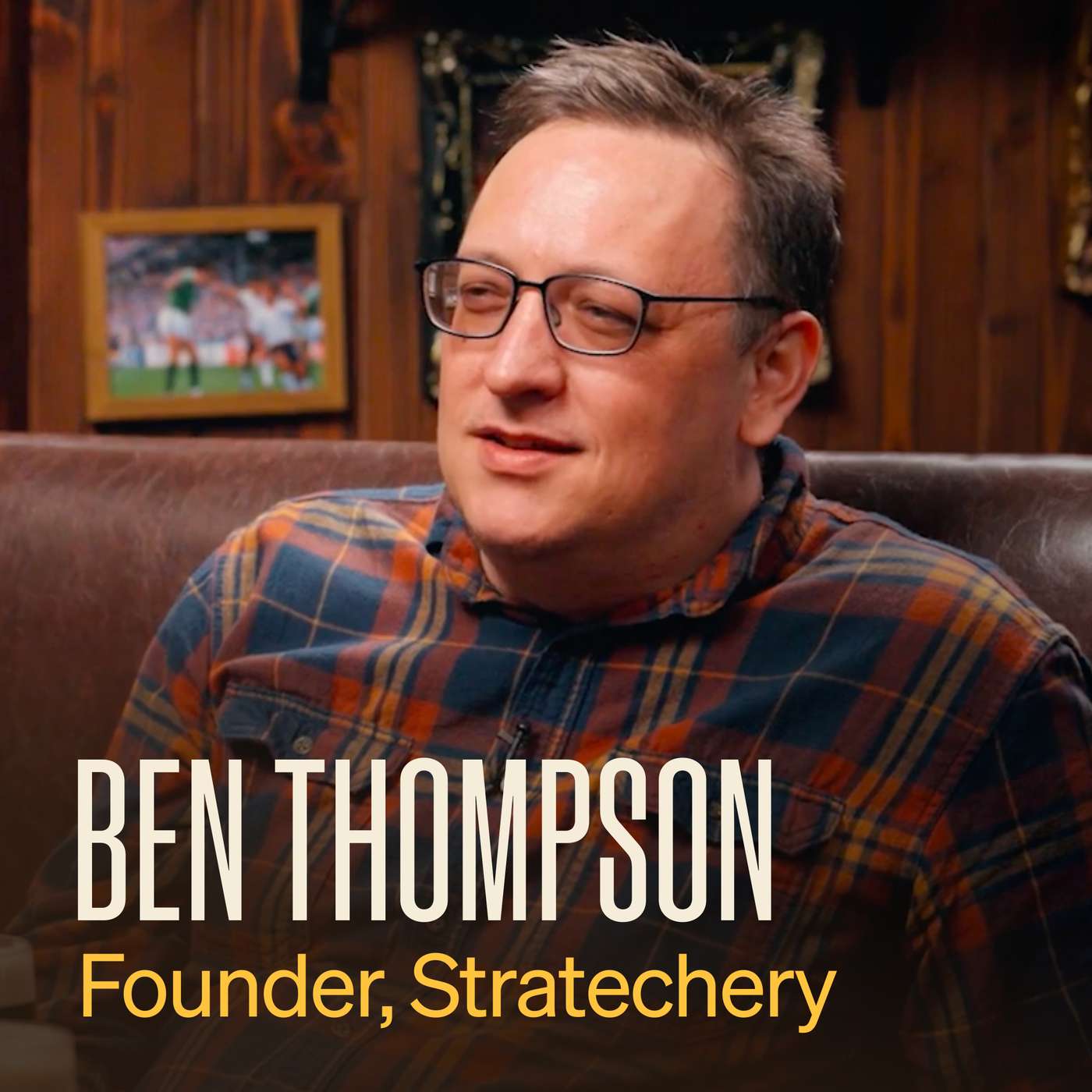
Ben Thompson advises that the key to success isn't fixing weaknesses, but hyper-focusing on strengths to generate exceptional value. Once successful, you can afford to hire people or use systems to manage the areas where you are weak, leading to a more optimized and effective outcome.
Blaming external factors like a "bad market" or "no good talent" makes you powerless. Rephrasing the problem as a personal skill deficit—e.g., "I lack the skill to attract talent"—immediately makes it solvable because you can learn new skills. This puts you back in control of the outcome.

Saying "the market is crowded" or "there are no good salespeople" renders you powerless. By reframing these as "I lack the skill to get more leads" or "I lack the skill to hire well," you become the source of the solution and regain agency to change the outcome.
Attributing your lack of success to external forces like the current political administration is a form of self-sabotage. True entrepreneurs find ways to succeed regardless of who is in office, and blaming others is an excuse that prevents personal growth and accountability.