Get your free personalized podcast brief
We scan new podcasts and send you the top 5 insights daily.
The KKK positioned itself as the moral authority violently enforcing Prohibition, a task federal and local authorities struggled with. This resonated with temperance-supporting Protestants and provided a pretext for vigilantism against immigrant communities, particularly Catholics.

Related Insights
The Klan used a repeatable playbook to infiltrate local churches. Organizers would march into a service, give a donation to the minister (often a secret member), and receive a public endorsement, effectively converting entire congregations and gaining crucial social proof.
In 1921, a New York World series exposing Klan violence, intended to discredit the group, backfired. The publicity made the organization seem exciting and powerful, leading to a massive surge in membership applications and confirming the "any press is good press" maxim for extremist movements.
The KKK's massive growth was driven by a sophisticated sales operation where recruiters (Cleagles) earned large commissions on new members' fees. This financial incentive, structured like a modern pyramid scheme, was a primary driver of its national expansion.
Klan terrorism was a calculated political strategy. By creating persistent violence and chaos, white Southern Democrats aimed to exhaust the North's will to enforce Reconstruction. They correctly gambled that Northerners would eventually tire of the costly project and withdraw federal power.
The second Klan, founded in 1915, was by far the largest, with up to five million members. Its power base was not the South but the industrial North and Midwest. While white supremacist, its primary focus was nativist, anti-Semitic, and especially anti-Catholic.
The Klan's explosive growth was not organic. PR professionals Edward Young Clark and Elizabeth Tyler treated the organization as a product, designing an aggressive sales operation and marketing message that resonated with public anxieties, transforming a failing club into a national force.
The Klan's terror campaign was a holistic effort to restore pre-war racial hierarchy. Beyond suppressing votes, they targeted Black churches, schools, landowners, and even women who displayed self-respect. This reveals a broader goal: to crush any sign of Black autonomy and re-establish total white supremacy in every aspect of Southern life.
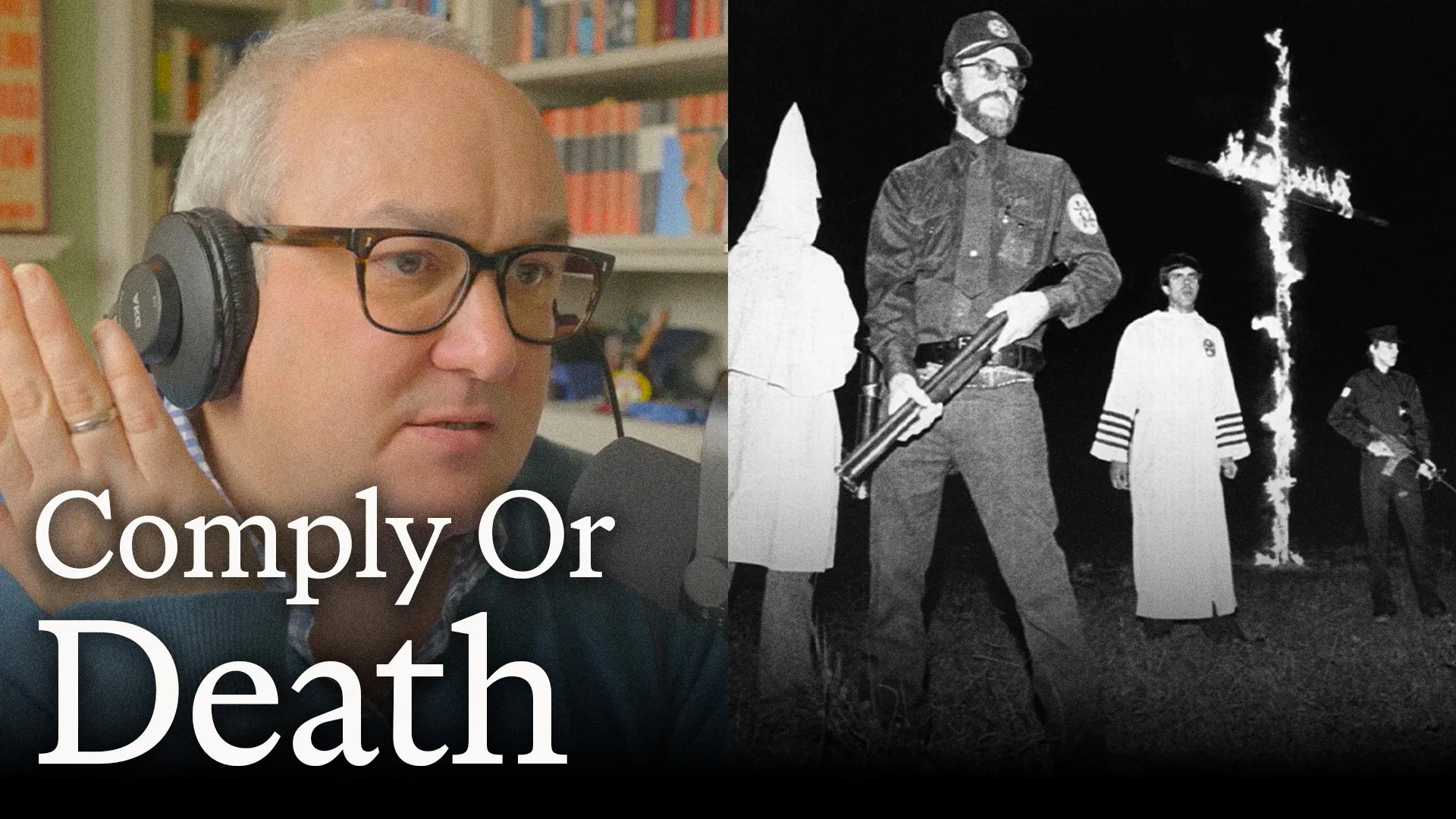
While committed to white supremacy, the second Klan's main targets were white Catholics and Jews, whom they considered a greater menace to "Americanism" than African Americans. This focus fueled its popularity in Northern states with small Black populations.
Rather than building from scratch, the KKK tapped into pre-existing social networks, particularly the Freemasons. Recruiters specifically targeted Masonic lodges, leveraging their membership lists and offering a familiar structure of ritual, networking, and community.
Contrary to its common image, the second Klan's strongholds were not in the former Confederacy but in future Rust Belt states like Indiana, Ohio, and Oregon. This reflects its primary focus on anti-immigrant and anti-Catholic sentiment rather than post-Civil War racial dynamics.