Get your free personalized podcast brief
We scan new podcasts and send you the top 5 insights daily.
Leal Therapeutics intentionally built a team capable of developing both oral small molecules and nucleic acid drugs. This dual-modality platform provides strategic agility, allowing them to select the optimal therapeutic approach for a given disease, such as an intrathecal ASO for ALS and a brain-penetrant small molecule for broader indications.

Related Insights
Voyager CEO Al Sandrock outlines a focused strategy: remain specialists in neurology, but broaden the therapeutic modalities (gene therapy, proteins, oligonucleotides). This allows them to pursue well-validated CNS targets that are considered "undruggable" by traditional small molecules, which have historically been the only option for crossing the blood-brain barrier.

Recursion's CEO outlines a two-pronged pipeline strategy. The first prong uses phenomics to uncover novel biological insights for new targets, like their FAP program. The second uses their AI-driven small molecule design platform to improve the therapeutic index for known but historically 'hard-to-drug' targets, like CDK7. This balanced portfolio approach de-risks development by leveraging different strengths of their end-to-end platform.

Recognizing that severe myotonic dystrophy involves CNS impairment, Arthex deliberately invested in a lipid conjugation delivery system for its RNA therapeutic. This strategic choice was made specifically to cross the blood-brain barrier, enabling the treatment of both muscular and neurological symptoms of the disease.
The company positions its peptide platform as the ideal middle ground in drug development. They aim to create medicines that are functionally like highly selective, less toxic large biologics (e.g., antibodies) but are structurally designed for the convenience of an oral pill, combining the best attributes of both major drug classes.
By focusing on metabolic pathways implicated in CNS disorders by human genetics, Leal can work with well-understood enzymes and targets. This simplifies the development process compared to pursuing novel, poorly understood CNS-specific pathways, providing a clearer path to drug development.
Astellas' R&D isn't defined by therapeutic area or technology. Instead, their "focus area approach" creates a "triangle" of core biology, the best modality, and the right patient population. This model is designed to generate multiple follow-on programs, like their KRAS degraders, by pivoting any corner of this triangle.

The success of Praxis's small molecule for a genetic epilepsy presents a strategic alternative to cell and gene therapies. In an era where complex modalities face funding, safety, and commercial hurdles, advanced small molecules offer a viable and potentially more practical path for treating genetic disorders.

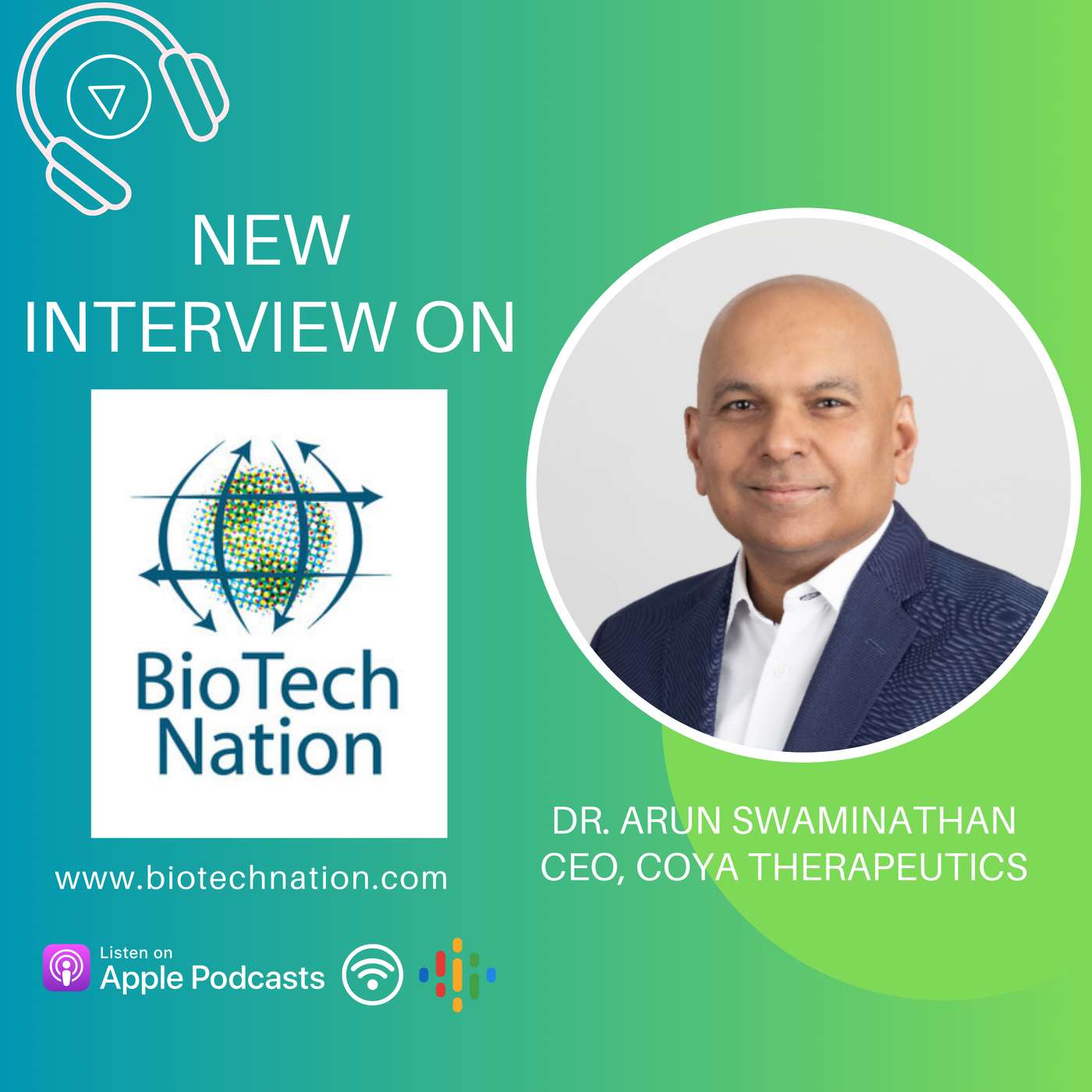
Coya's therapeutic approach is not limited to ALS. The company views the underlying mechanism—dysfunctional regulatory T-cells driving neuroinflammation—as a common pathway in other conditions like frontotemporal dementia, Alzheimer's, and Parkinson's. This positions their drug as a platform technology, creating a broader pipeline and de-risking the company from reliance on a single indication.
nChroma develops distinct epigenetic silencing platforms (CRISPR-OFF and CHARM). The smaller CHARM platform can be delivered via AAVs, opening up CNS targets inaccessible to the larger CRISPR-OFF platform, which uses LNPs for liver targets. This tailored approach expands their therapeutic reach.
The T-cell delivery system is versatile. It can carry T-cell engagers for cancer, but also antibodies for Alzheimer's or oligonucleotides. By using different T-cell types (like regulatory T-cells), it can also be used to reduce inflammation, expanding its applicability beyond oncology.
