Get your free personalized podcast brief
We scan new podcasts and send you the top 5 insights daily.
Astellas' R&D isn't defined by therapeutic area or technology. Instead, their "focus area approach" creates a "triangle" of core biology, the best modality, and the right patient population. This model is designed to generate multiple follow-on programs, like their KRAS degraders, by pivoting any corner of this triangle.

Related Insights
Voyager CEO Al Sandrock outlines a focused strategy: remain specialists in neurology, but broaden the therapeutic modalities (gene therapy, proteins, oligonucleotides). This allows them to pursue well-validated CNS targets that are considered "undruggable" by traditional small molecules, which have historically been the only option for crossing the blood-brain barrier.

BridgeBio's unique structure creates dedicated subsidiaries for each program. This empowers small, focused teams closest to the science to make key decisions—"play calling on the field"—without layers of bureaucracy. This model dramatically accelerates development, leading to unprecedented output of new drugs.

Astellas isn't resting on its first-to-market Claudin 18.2 antibody. It's proactively developing next-generation therapies—a CD3 bispecific to reach more patients and an in-licensed ADC for a potential chemo-free regimen. This multi-asset strategy aims to create an enduring leadership position in this specific cancer target.
Terns Pharmaceuticals, previously known for its obesity and MASH programs, scored a major win with its chronic myeloid leukemia drug. This success demonstrates that a diversified, seemingly unfocused early-stage pipeline can be a strategic asset, allowing a company to pivot to a surprise blockbuster when other programs fail.

The GSK3 inhibitor was developed for CNS diseases, requiring high specificity and the ability to cross the blood-brain barrier. These same pharmaceutical characteristics—potency and lipophilicity—proved highly advantageous for treating cancer, demonstrating an unexpected but effective therapeutic pivot from neuroscience to oncology.

To maintain a competitive edge, BridgeBio only pursues programs that are either "first in class" (a novel treatment where none exists) or "best in class" (a demonstrably superior option, like an oral pill versus a daily injection). This strict strategic filter is the core of their entire R&D pipeline selection process.
When seeking partnerships, biotechs should structure their narrative around three core questions pharma asks: What is the modality? How does the mechanism work? And most importantly, why is this the best differentiated approach to solve a specific clinical challenge and fit into the competitive landscape?

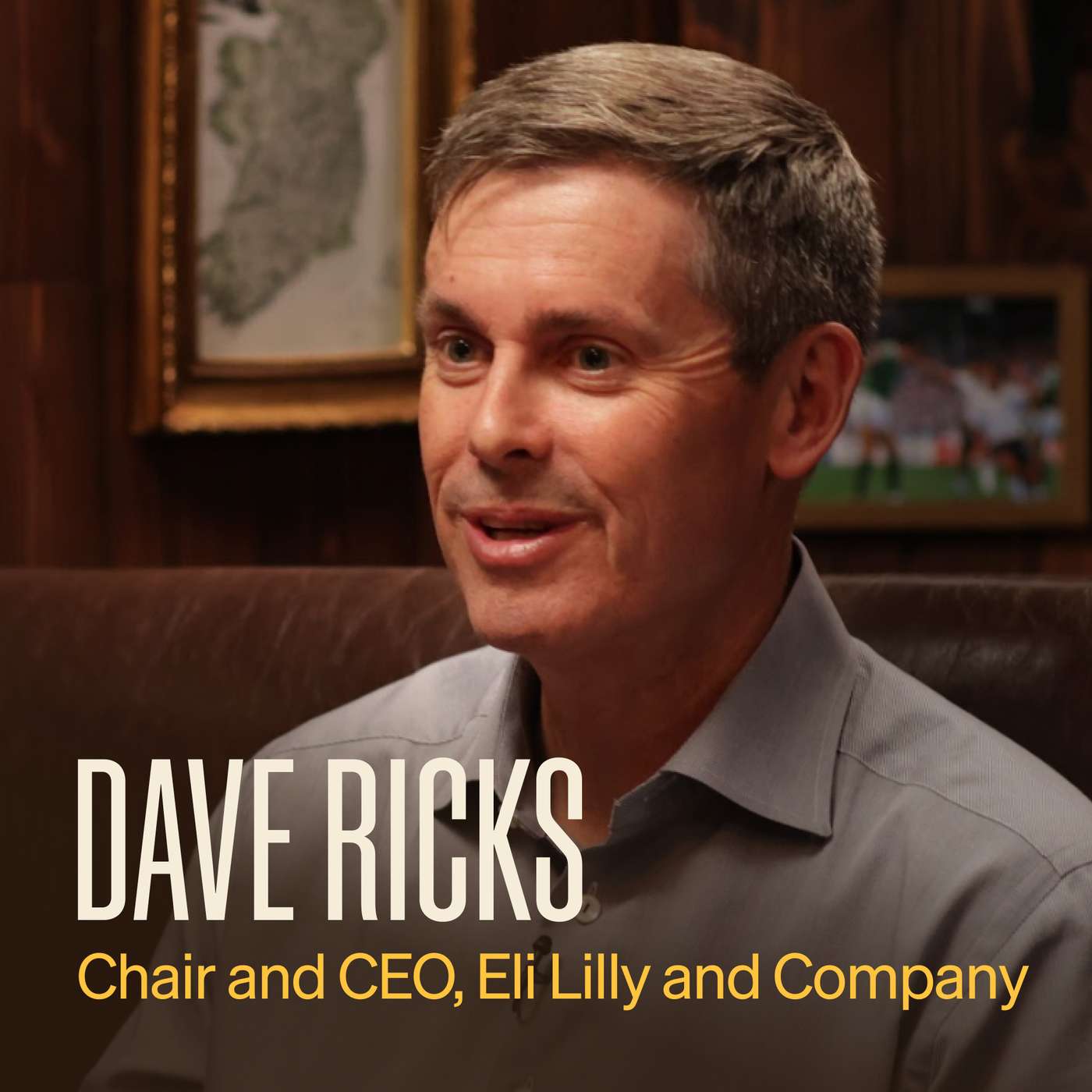
To avoid the pitfalls of scale in R&D, Eli Lilly operates small, focused labs of 300-400 people. These 'internal biotechs' have mission focus and autonomy, while leveraging the parent company's scale for clinical trials and distribution.
All therapeutic discoveries fall into two types. The first is a biological insight, where the challenge is to find a way to drug it. The second is a technical advancement, like a new platform technology, where the challenge is to find the right clinical application for it. This clarifies a startup's core problem.

The future of biotech moves beyond single drugs. It lies in integrated systems where the 'platform is the product.' This model combines diagnostics, AI, and manufacturing to deliver personalized therapies like cancer vaccines. It breaks the traditional drug development paradigm by creating a generative, pan-indication capability rather than a single molecule.
